In rural areas, for relatively regular-shaped plots of land, the area can usually be calculated by multiplying the length by the width. So, how many meters by how many meters is one acre? The details are as follows:
How many meters by how many meters is one acre?
One mu equals sixty square zhang, approximately 666.7 square meters. However, due to different land types, its length and width can be determined by various combinations of numbers, but simply multiplying them together will give an approximate value of 666.7 square meters. For example, a standard square mu can be converted to 25.82 meters × 25.82 meters.
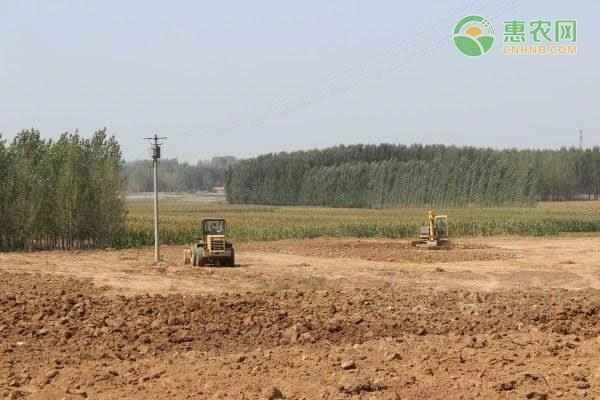
What are the different types of land division?
1. Classification based on land ownership
Land is divided into state-owned land and collectively owned land. State-owned land refers to land owned by the state; collectively owned land refers to land owned by farmers' collectives.
2. Classification based on land use
Land is divided into agricultural land, construction land, and unused land . Agricultural land refers to land directly used for agricultural production; construction land refers to land used for building structures; and unused land refers to land other than agricultural land and construction land.
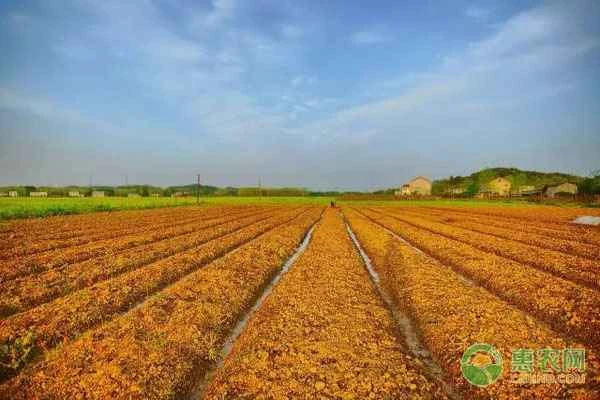
3. Classification based on current land use status
Land is divided into 12 primary categories and 57 secondary categories. The 12 primary categories are: arable land, orchards, forest land, grassland, commercial and service land , industrial and mining storage land , residential land, public management and public service land, special-purpose land, transportation land, water area and water conservancy facilities land, and other land. Each primary category is further subdivided into several secondary categories, totaling 57. For example, the primary category of arable land is subdivided into secondary categories such as paddy fields, irrigated land , and dry land. For specific classification and naming rules, please refer to the "Land Classification (Trial)" document issued by the former Ministry of Land and Resources.