my country is a major vegetable-producing country, with an annual output of approximately 800 million tons, and production areas are spread throughout the north and south. However, due to varying climatic conditions, different regions are suitable for growing different types of vegetables. So, what specific types of vegetables are available? The details are as follows:
What kinds of vegetables are available?
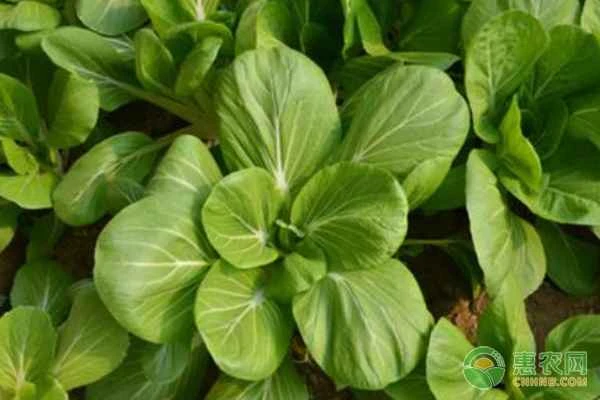
1. Cruciferous vegetables: including Chinese cabbage, rapeseed, mustard greens, kale, radish, watercress, etc.
2. Leafy green vegetables: including spinach, celery, lettuce, amaranth, water spinach , cilantro, garland chrysanthemum, etc.
3. Root vegetables: including potatoes, sweet potatoes, yams, taro, arrowhead, onions, ginger, garlic, scallions, etc.
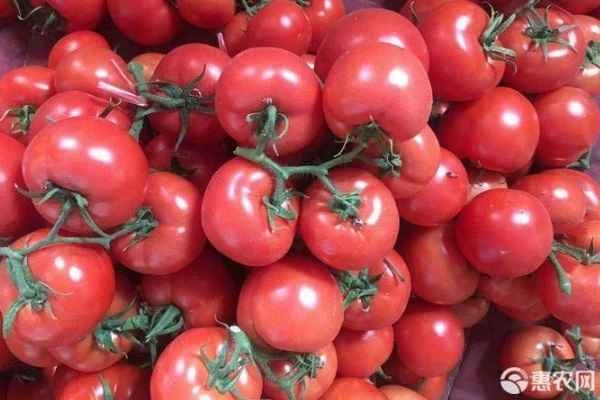
4. Vegetables and fruits: including winter melon, pumpkin, cucumber, loofah, bitter melon, zucchini , eggplant, tomato , pepper, etc.
5. Legumes: including peas, broad beans, lentils, cowpeas, edamame, snow peas, sword beans, green beans, etc.
6. Aquatic vegetables: including lotus root, water celery, water chestnut, water bamboo, cattail shoots, and fox nuts.
7. Edible fungi: including shiitake mushrooms, oyster mushrooms, enoki mushrooms, wood ear mushrooms, termite mushrooms, porcini mushrooms, lion's mane mushrooms, bamboo fungus, etc.
How can vegetables be stored for a longer period of time?
1. Refrigeration method: Put vegetables in the refrigerator compartment and keep the temperature between 0-10℃ to extend the storage time of vegetables.
2. Cool storage method: For some vegetables that are not suitable for refrigeration, such as tomatoes and cucumbers, they can be placed in a cool and ventilated place, with the temperature kept at around 10℃, and can be stored for a longer period of time.
3. Dry preservation method: After washing the vegetables, cut them into small pieces, let them dry, and then store them in a dry container to extend their shelf life.
4. Vacuum preservation method: Put vegetables into a vacuum bag, remove the air, and seal it for preservation. This can prevent the vegetables from oxidizing and spoiling, and extend their shelf life.
5. Cellar storage method: For some root vegetables, such as potatoes and onions, they can be stored in cellars or storage rooms at a temperature between 1-4℃, which can preserve them for a relatively long time.