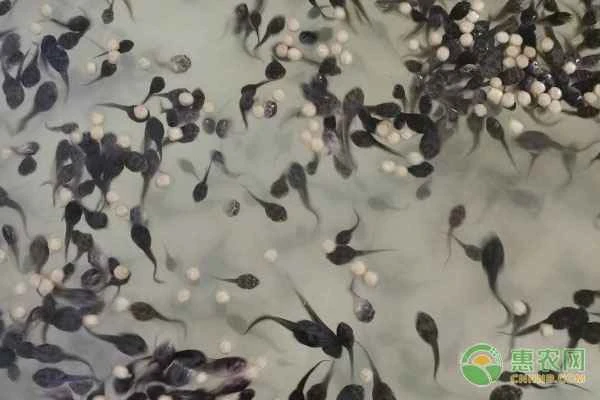
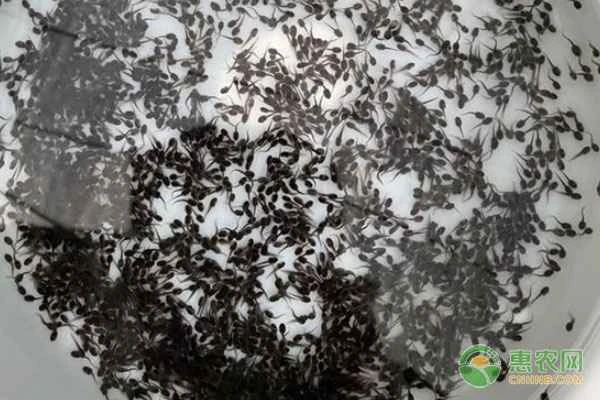
Tadpoles are familiar to many; they are the larvae of frogs and toads. To complete their metamorphosis, they need to obtain nutrients through food. So, what do tadpoles eat? Here's a breakdown:
1. Algae
Tadpoles primarily feed on algae, such as diatoms and cyanobacteria. These algae are rich in nutrients, such as protein, fat, and carbohydrates, which can meet the needs of tadpoles' growth and development.
2. Plankton
Tadpoles also eat planktonic organisms in the water, such as rotifers and water fleas.
3. Aquatic plants
Aquatic plants are rich in vitamins and fiber, which tadpoles love.
4. Animal carcasses
Tadpoles also eat animal food, including animal carcasses, such as dead frogs, dead fish, dead clams, and dead insects.
5. Fish feed
Fish food meant for small fish can also be used to feed tadpoles, but it's not the best choice.
6. Livestock feed
When raising tadpoles, you can feed them bread or biscuit crumbs or rice grains, or you can feed them cooked egg yolks, or cooked green vegetables, removing the fibers so that the tadpoles can eat them better.
7. Artificial feed
Artificial feed is generally divided into two types: powdered and extruded. It is mainly formulated using fish meal, rice bran, wheat bran , cornmeal , soybean meal, peanut meal, feed additives , etc.
Recommended formulas include: (1) 60% fish meal, 30% rice bran, and 10% wheat bran; (2) 50% small fish meal, 25% peanut cake, 2% feed yeast powder, 10% wheat bran, and 13% wheat flour; (3) 30% fish meal, 20% wheat bran, 10% cornmeal, 20% soybean cake, and 20% fresh plant stems and leaves. The daily feeding amount is generally 5%-7% of the tadpole's body weight, and different feeding plans should be implemented according to the different growth stages of the tadpoles.