In the kingdom of flowers, jasmine has won the hearts of countless people with its fresh and refined fragrance and pure white blossoms. However, to make jasmine bloom profusely, with more flowers than leaves, it needs to be fertilized. So, what kind of fertilizer is best for jasmine? Let's take a look.
1. Well-rotted organic fertilizer
Well-rotted organic fertilizer is essential for jasmine growth. Rich in organic matter and microorganisms, it improves soil structure and enhances water and fertilizer retention. When repotting in spring, add a layer of well-rotted cake fertilizer or animal manure to the bottom of the pot as base fertilizer. During the growing season, apply well-rotted liquid fertilizer, such as soybean cake water or rice water, every one to two months, but be careful not to use too high a concentration to avoid burning the roots. In addition, foliar spraying with diluted well-rotted organic fertilizer solution can also promote vibrant green leaves and increase photosynthetic efficiency.
2. Potassium dihydrogen phosphate
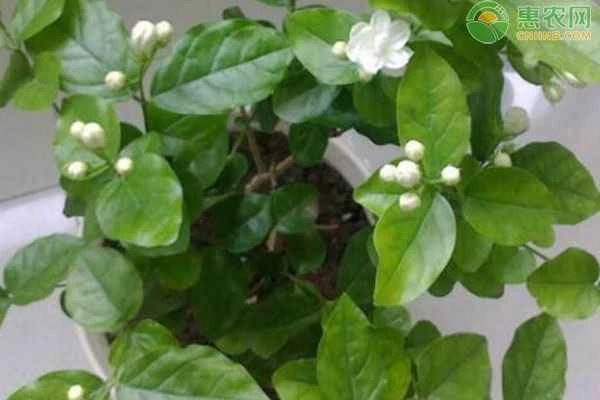
Jasmine is a typical plant that thrives on phosphorus and potassium fertilizers, and potassium dihydrogen phosphate is a highly efficient fertilizer for supplementing these elements. During the bud formation and flowering stages of jasmine, spraying with a 0.2% potassium dihydrogen phosphate solution every ten days or so can promote flower bud differentiation, increase the quantity and quality of flowers, and enhance the fragrance. It is important to note that spraying should be avoided during periods of high temperature to prevent leaf burn.
3. Ferrous sulfate
Jasmine prefers slightly acidic soil, but long-term watering and fertilization can easily alkalize the soil. In this case, applying an appropriate amount of ferrous sulfate can adjust the soil pH, creating a suitable growing environment for jasmine. Generally, once a month is sufficient; dilute the ferrous sulfate and water the potting soil. However, it's important to note that excessive use will lead to overly acidic soil, which is detrimental to jasmine growth.
4. Bone meal
Bone meal is a natural phosphate fertilizer, rich in phosphorus and calcium, which promotes root growth and flower development in jasmine. When repotting or turning the soil, an appropriate amount of bone meal can be mixed into the soil as a base fertilizer. Furthermore, bone meal improves soil aeration and drainage, which is beneficial for root respiration and growth in jasmine.
5. Compound microbial fertilizer
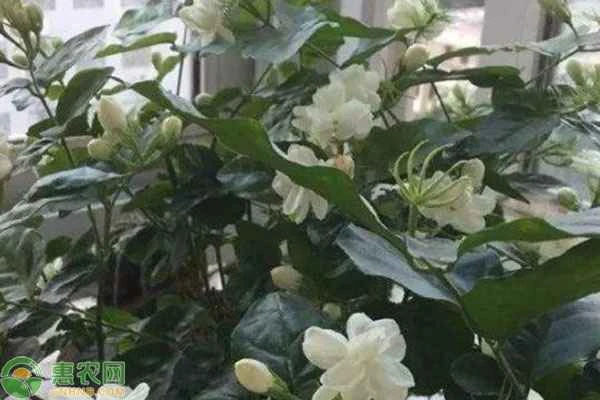
Compound microbial fertilizer is a new type of bio-fertilizer containing various beneficial microorganisms and nutrients. It enhances soil biological activity and promotes root growth and nutrient absorption in plants. During the jasmine's growth period, applying an appropriate amount of compound microbial fertilizer can improve the plant's resistance to adverse conditions, reduce the occurrence of pests and diseases, and make the jasmine plants stronger and produce more flowers. When using, follow the recommended dosage on the product instructions.