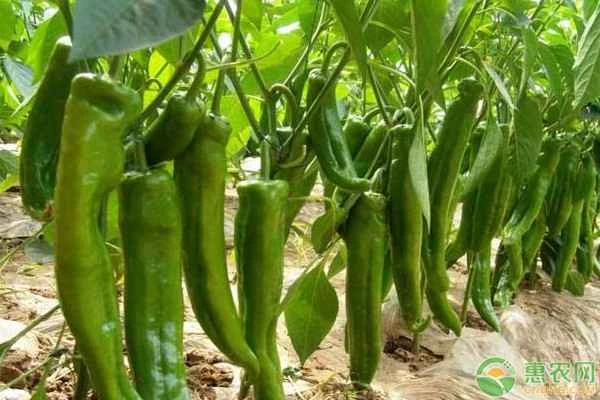
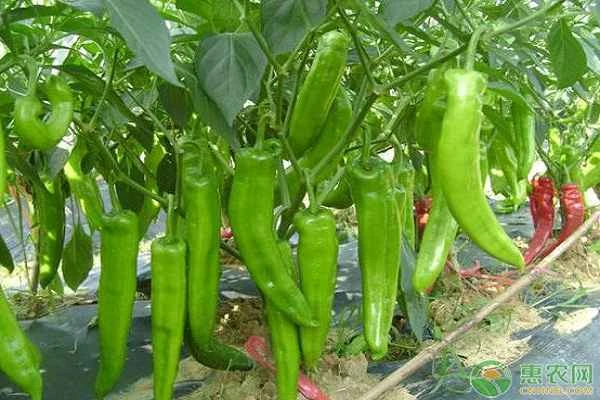
Chili peppers are an indispensable condiment on the dining table, and they are grown in both the north and south of China. To achieve a high yield of chili peppers, proper fertilization management is essential. So, what kind of fertilizer should chili peppers avoid? Let's find out below.
What fertilizers should be avoided when applying fertilizer to chili peppers?
1. Chlorine-containing fertilizers
Chili peppers are a member of the Solanaceae family and are sensitive to fertilizers containing chlorine. If the fertilizer applied contains a high amount of chloride ions, it will negatively impact the growth and development of the chili peppers, thus affecting their yield and quality. Therefore, it is crucial to avoid applying fertilizers containing chloride ions, such as ammonium chloride and potassium chloride, during the planting process.
2. Uncomposted farmyard manure
When planting chili peppers, farmyard manure must be fully decomposed before application. Applying undecomposed manure to the soil can easily cause fermentation and generate high temperatures, leading to root burn. Furthermore, because undecomposed manure has not undergone high-temperature treatment, it contains a large number of pathogens and insect eggs, which can exacerbate chili pepper diseases and pests if applied directly.
3. Excessive application of nitrogen fertilizer
When fertilizing chili peppers , it's important to avoid excessive nitrogen fertilizer. Excessive nitrogen can easily cause excessive vegetative growth, which inhibits reproductive growth, reducing flowering and fruit set. Furthermore, excessive nitrogen fertilizer can lead to tender, juicy stems and leaves, increasing the risk of pests and diseases.
4. Fertilizer before rain
In chili pepper cultivation, some growers fertilize their chili peppers before rain. If there is light rain before the rain, the rainfall may not be enough to dissolve the fertilizer, preventing the crop roots from fully utilizing it. If fertilization is followed by heavy or continuous rain, the rain will create runoff that washes the fertilizer away. If the rainwater causes waterlogging in the field, the fertilizer nutrients will seep into the deeper layers of the ground, resulting in low fertilizer utilization.
5. High-temperature midday fertilizer
It's not advisable to fertilize chili peppers during the midday heat of summer. Even with low fertilizer concentrations, the rapid evaporation of soil moisture at this time effectively increases the fertilizer concentration. If the fertilizer concentration exceeds the chili pepper root system's tolerance, it can lead to root and seedling burn. Fertilizer application should be approached with caution during the midday hours when temperatures exceed 30 degrees Celsius.