As one of my country's important economic fruits, the healthy growth and high-quality yield of grapevines depend on scientific and reasonable fertilization management. So, what kind of fertilizer is best for grapevines? Let's find out below.
What is the best fertilizer for grapevines?
The type of fertilizer used for grapevines needs to be selected based on their different growth and development stages. Generally speaking, grapevines have a relatively high requirement for nitrogen, phosphorus, and potassium, while micronutrients such as calcium, magnesium, sulfur, iron, zinc, and boron are also essential.
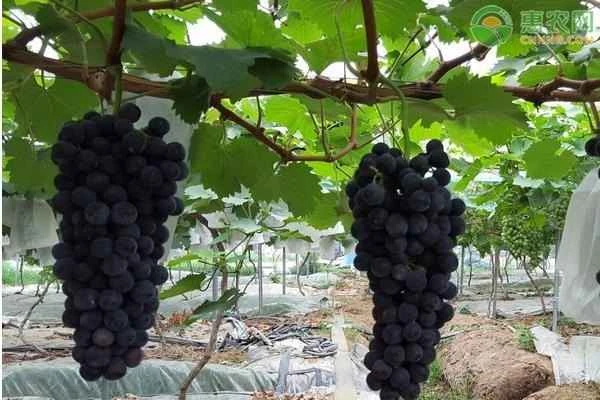
How should grapevines be fertilized correctly?
I. Base Fertilizer
Using organic fertilizer as the main component, supplemented with chemical fertilizers such as superphosphate, potassium sulfate or compound fertilizer , and combined with microbial fertilizers and micronutrients, can provide a basic nutrient support for the growth and development of grapes throughout the year.
II. Topdressing
1. Germination stage
The first topdressing should be done in early spring when the buds begin to swell. Apply 30 catties each of nitrogen, phosphorus and potassium fertilizer per mu, or 100 catties of nitrogen, phosphorus and potassium compound fertilizer (15-15-15). The amount of this topdressing should account for 10%-15% of the total annual fertilizer application.
2. Fruit enlargement stage
After the grape blossoms fade and the young fruit begins to swell while flower buds continue to differentiate, a second application of fertilizer should be applied. This stage is the vigorous growth period for grapes and a crucial time that determines the fruit yield for the following year. It is recommended to apply 30-40 catties of urea, 60 catties of phosphate fertilizer, and 60 catties of potassium fertilizer per acre.
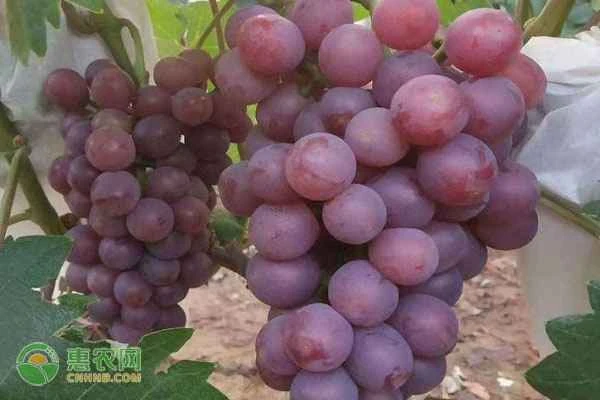
3. Berry coloring period
Apply the third top dressing during the early stage of grape berry coloring. This top dressing mainly consists of phosphorus and potassium fertilizers, specifically about 160 catties of potassium sulfate and 100 catties of diammonium phosphate per acre. It can be applied directly to the soil around the roots of the plants during irrigation or rainy days.
4. Foliar fertilization
This is a foliar fertilizer , which can be sprayed alone or in combination with other fertilizers.