Bitter melon is a common edible fruit and vegetable , rich in various vitamins and minerals, and has the effect of clearing heat and detoxifying. However, many people do not know much about growing bitter melon in the summer. So how should bitter melon be managed in the summer? Let's take a look.
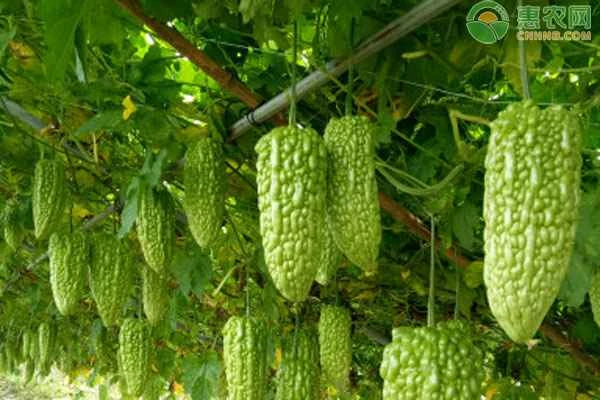
1. Choose a cool, well-ventilated place for planting.
Although bitter gourd is heat-tolerant, continuous high temperatures above 40℃ can still cause plant scorching and fruit set problems. Therefore, it should be planted in a cool, well-ventilated location, such as inside a greenhouse or under the shade of a tree, while also taking measures to ensure adequate shading and ventilation.
2. Increase the intensity of shading and ventilation in the greenhouse.
When growing in greenhouses, during the day, it is necessary to strengthen shading of the greenhouse roof and walls, using shade nets or shade cloths to block about 40% of the light. At the same time, increase the frequency of ventilation by increasing the number of fans to ensure that the temperature and humidity inside the greenhouse are suitable.
3. Emphasize field management, focusing on disease and pest prevention.
Summer is a peak season for insect and pathogen breeding, so timely spraying of pesticides is essential for pest and disease control, especially against leaf miners, aphids, and blight. Maintaining a clean ground environment is also crucial to prevent the breeding and spread of pathogens.
4. Implement foliar spraying of nutrient solution
In high temperatures, water loss from watering bitter gourd is easy. Nutrients can be replenished by foliar spraying with a nutrient solution. Spray every 10-20 days to ensure the leaves are green and plump.
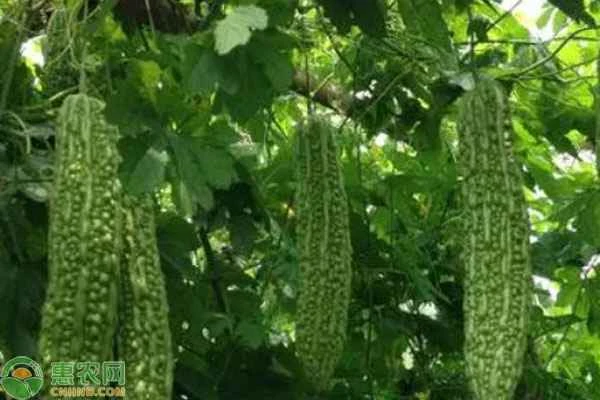
5. Build dikes around the plants to retain water.
To ensure bitter gourds have enough water during hot weather, you can build a small circle around the base of the plant and collect the water after watering. This saves water and provides a continuous supply.
6. Use needle-like leaves to tie the fruit together to prevent rotting.
Bitter gourds often rot and fall off due to rain and wind. In case of bad weather, eucalyptus needles should be tied around the gourd spikes to increase their shade and rain protection. Some people also simply cover the gourd spikes with woven bags.
7. Windbreaks should be set up for large-scale continuous cropping.
When planting in open fields, a ring of trees and shrubs can be planted around the perimeter of the field as a windbreak, and some windbreak nets should also be set up in the field to prevent damage to the plants or fruit drop after strong winds.
8. Select appropriate temperature- and heat-resistant varieties.
Different varieties have varying tolerances to high temperatures, making variety selection crucial. It is recommended to prioritize varieties with strong resistance and adaptability to high temperatures, such as Qingfeng and Lvjian.
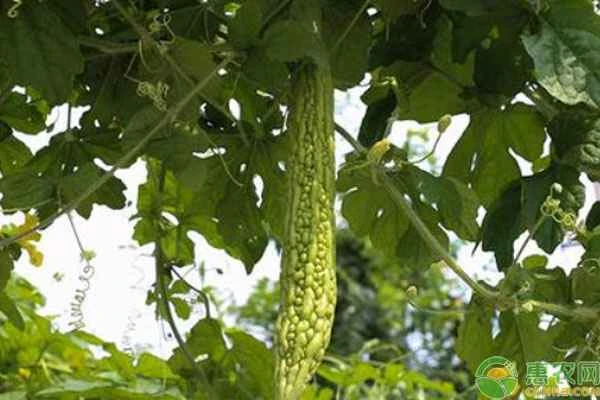
9. Harvest at the appropriate time to prevent bitterness from increasing.
Bitter melons grow quickly in hot weather and are prone to aging and becoming salty. Therefore, they should be harvested frequently, taking advantage of the optimal harvest time. Harvest the bitter melons when they are not yet overripe and are still tender green to prevent them from becoming too bitter.