Fertilizer is the food source for crops; fertilization ensures increased and stable agricultural yields and is a crucial means of storing grain in the land. So, what exactly does fertilization provide to plants? Let's find out.
What does fertilization provide for plants?
Fertilizer is applied to provide plants with inorganic salts. During their growth period, plants require a relatively large amount of inorganic salts containing nitrogen, phosphorus, and potassium, which can improve crop yield and quality, and increase crop output value.
What is the purpose of fertilization?
1. Increase production
The rational application of fertilizers can increase crop yields, especially in medium- and low-yield fields, where the yield-increasing effect is very significant. However, as the amount of fertilizer applied per unit area increases, the yield-increasing effect tends to decrease.
2. Improve the soil
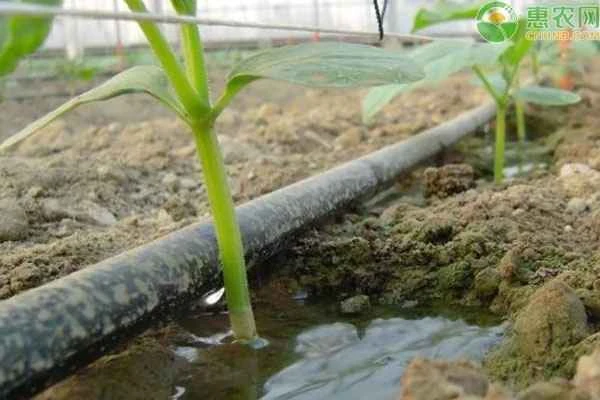
Fertilization can increase and balance nutrients in the soil, and it promotes the increase of soil organic matter content. Studies have shown that soil organic matter decreases without fertilization, while it increases with fertilization. Of course, the effect of applying organic fertilizers is more significant.
3. Improve quality
Agricultural product quality encompasses both appearance and internal properties, both of which can be regulated and improved through fertilization. Good agricultural product quality is often achieved under optimal fertilization conditions. Insufficient or excessive fertilizer, or an imbalance of nutrients, not only results in low yields but also compromises quality.
4. Enhance plant air purification
Humans, animals , and microorganisms consume oxygen and release carbon dioxide during their life activities. Increased carbon dioxide in the atmosphere can lead to a greenhouse effect, which may hinder crop growth. The direct effect of fertilization is increased yield, which inevitably leads to an increase in biomass, naturally enhancing photosynthesis, thus increasing the amount of carbon dioxide absorbed and oxygen released by plants.
5. Mitigating agricultural disasters
Rational fertilization is an important measure in agricultural disaster reduction. Fertilization can improve the cold resistance, drought resistance, and frost resistance of crops. Among the three essential elements, phosphorus and potassium play a greater role in disaster reduction. Sufficient phosphorus and potassium nutrition helps plants absorb and store minerals , sugars, and drop-prone proteins, which can play a role in resisting freezing. It also improves and promotes the permeability of crop cells, lowers the freezing point, and reduces or avoids losses caused by frost and chilling damage.