Many people have heard the saying "A timely snow promises a bumper harvest," meaning that heavy snow in winter foreshadows a bountiful harvest in the coming year. So, what specific benefits does snowfall bring to crops? Let's find out below.
What are the benefits of snowfall for crops?
1. Increase ground temperature
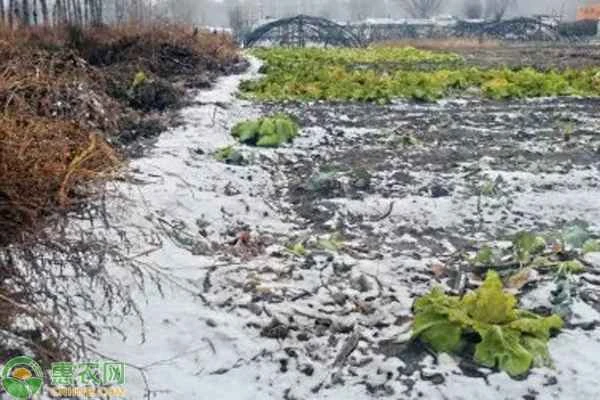
In the harsh winter, the snow that falls is often difficult to melt. The snow covering the ground can keep the temperature of the ground and the area around crops from dropping due to the cold wave. The snow covering the soil is relatively soft, like a layer of "cotton blanket", which creates a good overwintering environment for winter crops and plays a role in keeping them warm and raising the ground temperature.
2. Replenish fluids
The snow will melt in the spring of the following year, which will provide enough water for the growth of crops, prevent spring drought, and provide sufficient nutrition for the winter wheat to turn green again. Hence the proverb, "If the wheat is covered with three layers of snow this year, you will sleep on a pillow of steamed buns next year."
3. Reduce insect eggs
When heavy snow covers the soil, it hinders air circulation, causing some insect eggs to die due to insufficient respiration. Furthermore, as the snow melts, it consumes heat, lowering the soil temperature and freezing some insect eggs. Therefore, snowfall reduces the number of overwintering pest eggs in the soil, thus reducing the occurrence and severity of pests after the New Year when temperatures rise.
4. Improve fertility
When snow melts, the nitrogenous substances adsorbed in the snowflakes seep into the soil. Studies have shown that snowmelt contains five times more nitrogen compounds than ordinary rainwater. Measurements indicate that every liter of snowmelt contains 7.5 grams of nitrogen compounds. When snowmelt seeps into the soil, it's equivalent to applying nitrogen fertilizer. Therefore, snow is a natural fertilizer, improving the quality and yield of crops.
What are the negative effects of snow on crops?
1. Causes frost damage
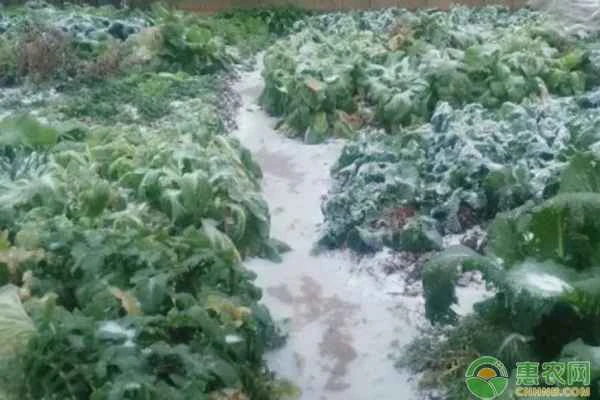
If the local area experiences prolonged and heavy snowfall, and the temperature is low, the ice and snow covering crops will not melt, causing frost damage.
2. Reduce light transmission
If greenhouse crops are being grown, prolonged snowfall can significantly impact vegetables and fruits inside. Heavy snow covering the greenhouse lowers the temperature and reduces light penetration, hindering normal growth. In severe cases, the greenhouses may even collapse, posing a challenge for greenhouse farmers.
3. Stem breaks
For some crops with thin stems, snowfall may cause the stems to break, affecting normal growth, such as rapeseed.