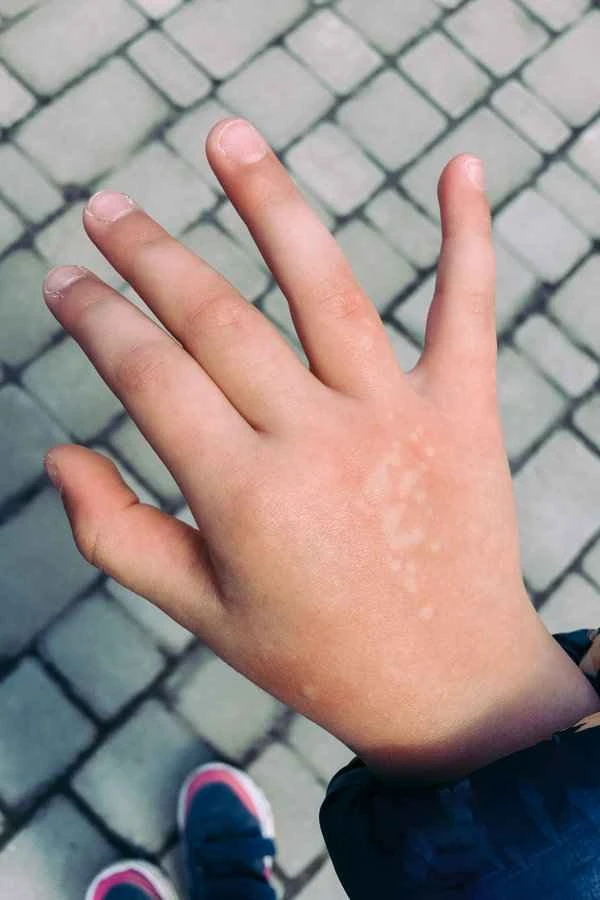
Spring is a high-incidence season for vitiligo, mainly because the intensity of ultraviolet radiation gradually increases in spring, and the human skin is less adaptable, which can easily trigger or aggravate vitiligo.

As ultraviolet (UV) radiation increases in spring, the skin's adaptability is weakened, making it more susceptible to triggering or worsening vitiligo. Vitiligo is a common depigmentation disorder, primarily characterized by white patches on the skin. With warmer temperatures in spring, people spend more time outdoors, leading to increased sun exposure. UV radiation is a significant factor in skin pigmentation and loss; while spring UV intensity is less than summer, it is still sufficient to affect the skin. For individuals with poor skin adaptability, increased UV radiation in spring may damage skin pigment cells, thus triggering or exacerbating vitiligo.
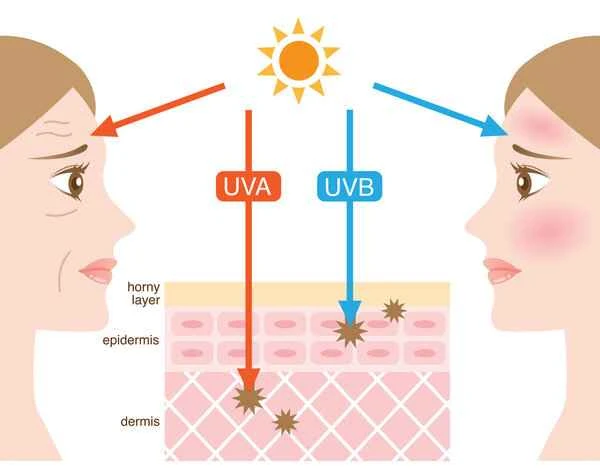
To effectively prevent vitiligo in spring, it's essential to protect your skin from the sun and reduce direct exposure to ultraviolet (UV) radiation. Maintaining healthy lifestyle habits and strengthening your immune system are also crucial preventative measures. While UV radiation is less intense in spring than in summer, its impact on the skin should not be underestimated. Strengthening sun protection measures in daily life, such as using sunscreen, wearing long-sleeved clothing, and wearing hats, can reduce direct UV exposure. Maintaining healthy lifestyle habits, such as regular sleep patterns, a balanced diet, and moderate exercise, can enhance immunity and help prevent vitiligo.
[Life Tips]
1. When going out in spring, use sunscreen with SPF 30 or higher and reapply every two hours.
2. Try to avoid outdoor activities during the hours when ultraviolet radiation is strongest (usually from 10 a.m. to 2 p.m.).
3. Maintain good lifestyle habits, such as regular sleep, a balanced diet, and moderate exercise, to enhance the body's immunity.
4. If you notice any abnormal changes in your skin, seek medical attention promptly for diagnosis and treatment by a professional doctor.