Posterior pharyngeal wall scar contracture is a condition caused by scar tissue that forms after injury or inflammation of the pharynx, leading to structural deformation and functional impairment of the pharynx. The key to managing posterior pharyngeal wall scar contracture lies in alleviating symptoms, improving swallowing function, and preventing complications.
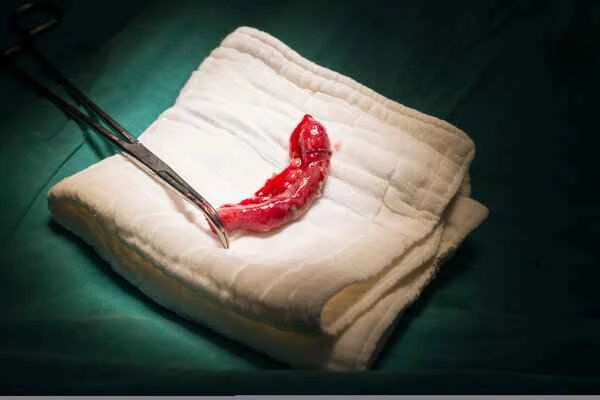
When treating posterior pharyngeal wall scar contractures, it's crucial to first determine the cause of the scar, such as infection, trauma, or surgery. Subsequently, depending on the severity of the scar, the doctor may employ different treatment strategies. Mild scar contractures may be improved with conservative treatment, such as medication to reduce inflammation and pain, and swallowing exercises. More severe scar contractures may require surgical intervention, such as scar excision or pharyngoplasty, to restore the normal structure and function of the pharynx. These treatments aim to reduce the impact of the scar on the pharynx, restore normal swallowing function, and prevent complications.
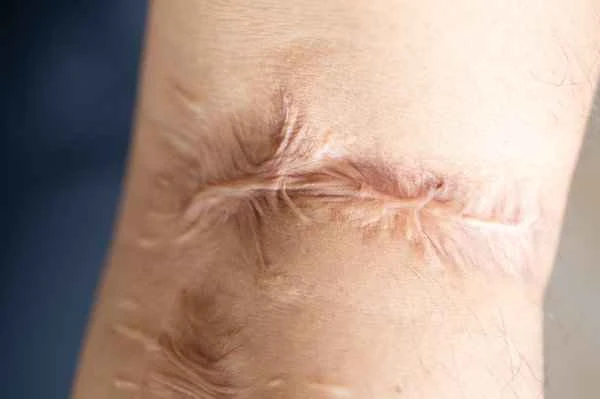
In the treatment of pharyngeal wall scar contractures, patients may face some potential risks and misconceptions. For example, some patients may mistakenly believe that mild scar contractures do not require treatment, or over-rely on medication while neglecting the necessity of surgical intervention. In reality, the treatment of scar contractures requires a personalized treatment plan based on the specific condition of the scar and the individual differences of the patient. Complications may occur during treatment, such as postoperative infection and scar recurrence. Therefore, patients need to undergo regular check-ups and follow-ups under the guidance of a doctor to ensure treatment effectiveness and to promptly identify and address any potential problems.
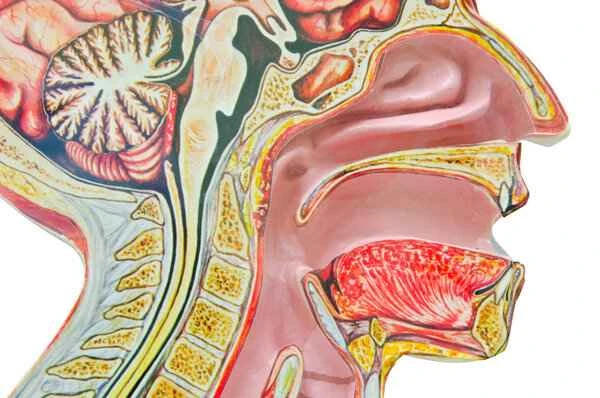
[Management Tip:]
1. Regularly check the condition of the pharynx to detect and treat scarring changes in a timely manner.
2. Based on the doctor's advice, choose between conservative treatment or surgical treatment.
3. Maintain good lifestyle habits and avoid bad habits such as smoking and drinking.
4. If severe symptoms such as difficulty swallowing or breathing occur, seek medical attention promptly.