Cholinergic urticaria is a skin reaction caused by cholinergic stimulation, and it can be effectively treated.

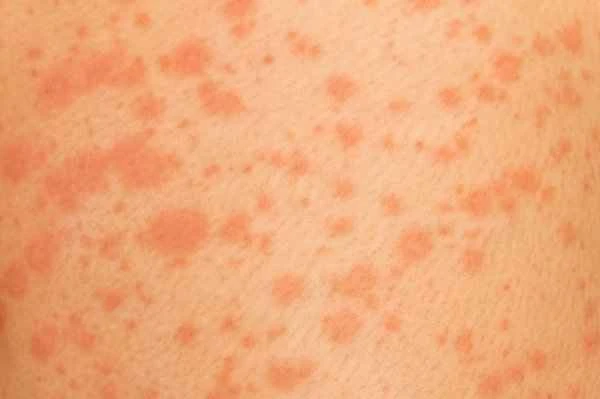
Cholinergic urticaria is a skin condition caused by an overreaction of the body to choline stimulation. Choline is a neurotransmitter that promotes muscle contraction and glandular secretion. Cholinergic urticaria occurs when the body is overly sensitive to choline. This condition is often associated with factors such as exercise, heat, and emotional excitement, which stimulate the release of choline in the body, triggering a skin reaction. Treatment for cholinergic urticaria primarily involves avoiding triggers, using antihistamines, and, in severe cases, immunosuppressants. Avoiding known triggers, such as strenuous exercise and hot baths, can reduce the frequency of flare-ups. Antihistamines are effective in relieving symptoms, reducing itching and redness. For some severe cases that are difficult to control, doctors may recommend immunosuppressants to manage the condition.

Patients may encounter some misconceptions when treating cholinergic urticaria. Some may mistakenly believe that all skin allergic reactions are cholinergic urticaria, leading to incorrect treatment. Some patients may over-rely on medication and neglect lifestyle adjustments, which can cause recurring symptoms. Some patients may refuse treatment due to concerns about drug side effects, which can worsen their condition. When treating cholinergic urticaria, patients need to correctly identify and manage their condition under the guidance of a doctor, while also paying attention to lifestyle adjustments to achieve the best treatment results.
[Management Tip:]
1. Avoid known triggers, such as strenuous exercise or hot baths.
2. Use antihistamines under the guidance of a doctor to relieve symptoms.
3. For severe cases that are difficult to control, consider using immunosuppressants.
4. Monitor changes in the patient's condition regularly and adjust the treatment plan accordingly.