Over the months to years after its formation, a scar may gradually flatten or become slightly depressed. This is because scar tissue undergoes a series of changes during the wound healing process, including proliferation, maturation, and remodeling.
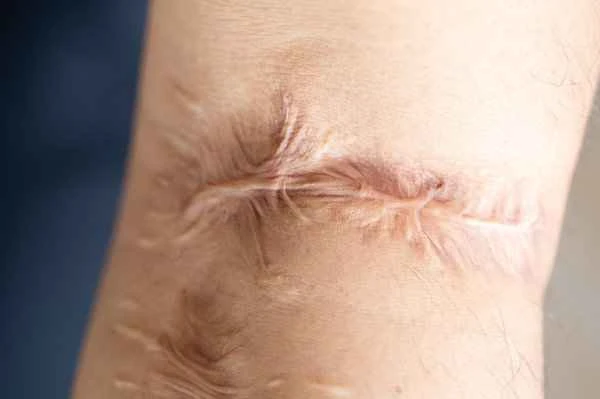
The process of scar formation and depression reflects the body's self-repairing ability, which is crucial for reducing the protrusion of scars and improving their appearance. Understanding the natural changes in scars helps us better manage wound healing and alleviate the discomfort caused by scars.
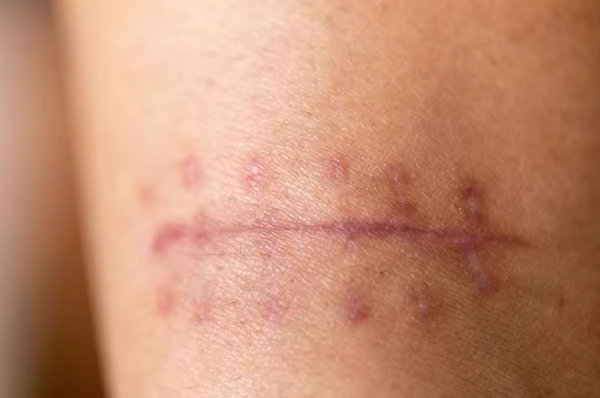
Scar tissue undergoes a process called "remodeling" over a period of time after wound healing. During this process, collagen in the scar tissue rearranges, causing the scar to gradually flatten or become depressed. This process typically occurs between several months and several years after wound healing, varying from person to person depending on individual healing ability and scar type. It's important to note that not all scars will naturally become depressed; some hypertrophic scars or keloids may remain raised or become more prominent. Scar treatment requires appropriate measures based on individual circumstances, such as using silicone sheets or topical medications to promote softening and flattening of the scar. For scars that cannot improve naturally, other treatment methods may need to be considered, such as laser therapy or surgical excision.
【Useful Tips:】
1. Keep the wound clean to prevent infection and promote natural scar healing.
2. Using silicone sheets or gels can help soften scars and promote their flattening.
3. For hypertrophic scars or keloids, medical intervention may be required, using medication or physical therapy.
4. Regularly observe changes in the scar, and seek medical advice promptly if any abnormalities are found.