The best approach to scar repair is to combine multiple treatment methods and choose the most suitable plan based on the type of scar and individual differences.
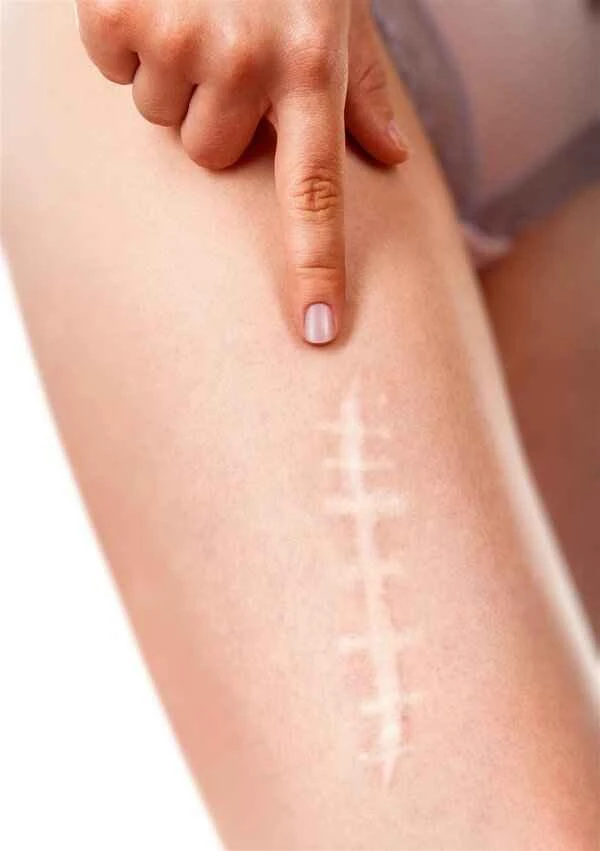
Scars form during the skin's repair process after injury, usually caused by excessive collagen production. Based on their morphology and cause, scars can be classified into several types, such as hypertrophic scars, atrophic scars, and keloids. Different scar types require different repair methods. Hypertrophic scars and keloids are typically raised above the skin surface, while atrophic scars cause the skin to sink in. Understanding the type of scar helps in choosing the most appropriate treatment.
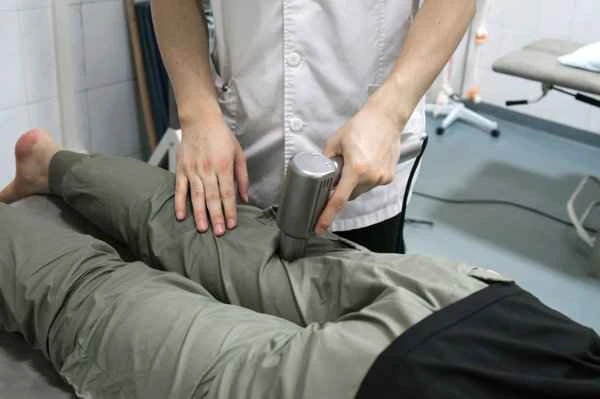
Various methods can be used to repair scars, including medication, laser therapy, microneedling, and surgical excision. Medication can soften scar tissue and reduce redness and hardness by using silicone sheets or steroid creams. Laser therapy uses the thermal effect of lasers to stimulate collagen regeneration and improve the appearance of the scar. Microneedling uses tiny needles to stimulate the skin, promoting collagen production and aiding in scar repair. For more severe scars, surgical excision may be necessary to achieve better results.
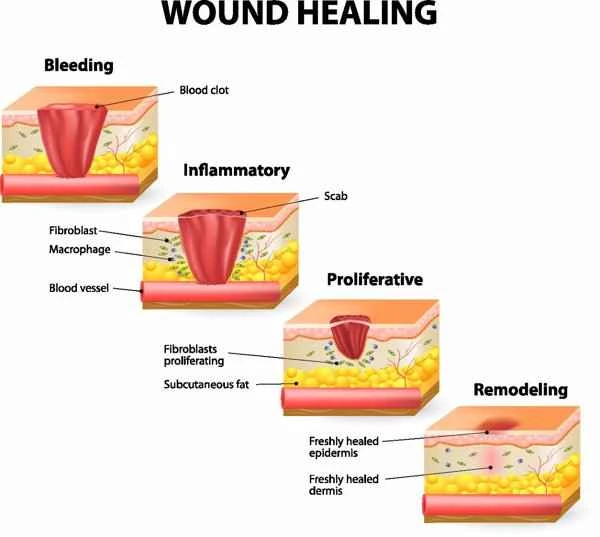
During the scar repair process, it is also necessary to pay attention to daily care measures, such as keeping the wound clean and avoiding direct sunlight, in order to promote scar recovery.
[Life Tips:]
1. Choose a treatment method suitable for your scar type, such as medication, laser, or surgery.
2. Use silicone sheets or specific ointments daily to help soften scar tissue.
3. Pay attention to daily care, keep the wound clean, and avoid direct sunlight.
4. Have regular check-ups and adjust the treatment plan according to the doctor's advice.