Whether a person with shingles needs to be isolated depends on the specific circumstances of their condition and the health status of the surrounding population. Shingles is caused by the varicella-zoster virus (VZV), the same virus that causes chickenpox. When a person is infected with the varicella-zoster virus, the virus remains dormant in nerve tissue. When immunity declines, the virus may reactivate, leading to shingles.
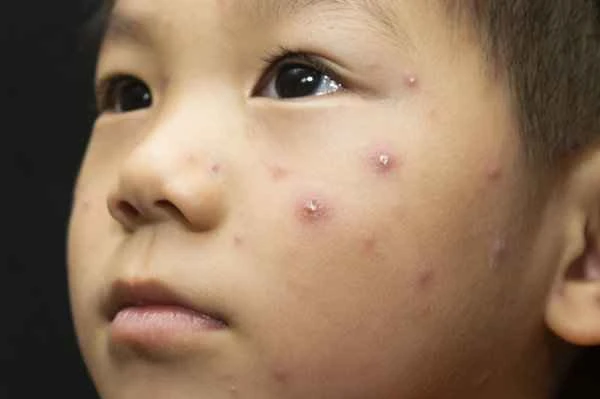
The risk of shingles transmission primarily exists among people who have never had chickenpox or been vaccinated against it, especially children and those with weakened immune systems. For these individuals, direct contact with the rash or secretions of a shingles patient can lead to the spread of chickenpox. If there are people around the patient who have not had chickenpox or been vaccinated against it, especially those with weakened immune systems, appropriate isolation measures are necessary to reduce the risk of virus transmission.
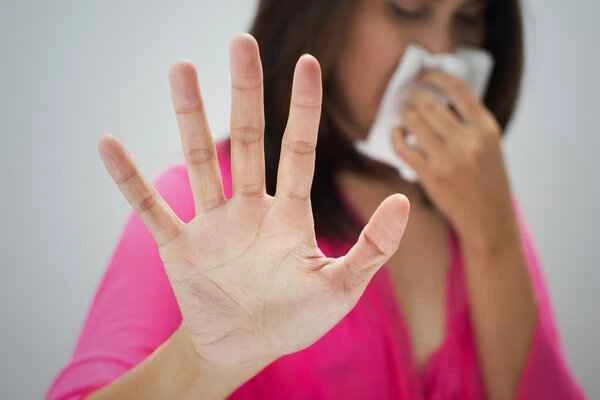
People who have had chickenpox or been vaccinated against chickenpox are immune to the shingles virus and therefore do not require special isolation measures. Shingles is mainly transmitted through direct contact with the rash, rather than through the air, which also reduces the need for isolation.
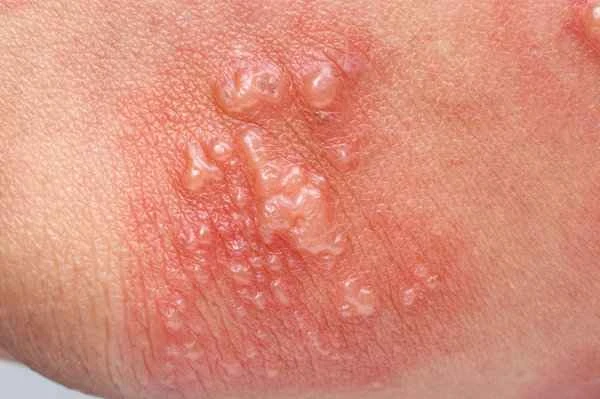
[Management Tip:]
1. People with shingles should avoid direct contact with people who have not had chickenpox or have not been vaccinated against chickenpox, especially children and people with weakened immune systems, to reduce the risk of virus transmission.
2. Maintaining good personal hygiene habits, such as frequent handwashing, helps reduce the chance of virus transmission.
3. Avoid going to public places until the rash has completely healed to reduce the risk of virus transmission.