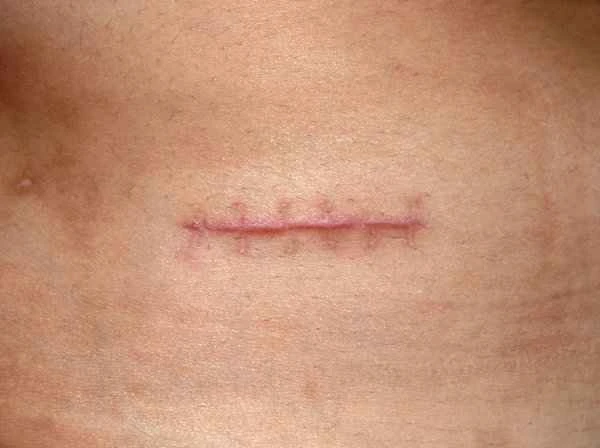
Scalp scars are scar tissue that forms after damage to the scalp tissue due to trauma, infection, inflammation, or other causes. These scars may appear as flat or raised areas on the skin surface, may differ in color from the surrounding skin, and are sometimes accompanied by hair loss.

Scalp scars are typically associated with trauma, burns, infections (such as folliculitis or scalp infections), long-term skin conditions (such as psoriasis or lichen planus), or surgery. Characteristics of scars may include induration on the skin surface, color changes (such as red, purple, or white), areas of hair loss, and possible pain or itching. In some cases, scars may become more noticeable or change shape over time.
The occurrence of scalp scars can be related to a variety of factors, including individual constitution, the severity of trauma, and care during the healing process. If a scalp scar is accompanied by severe pain, continues to enlarge, or shows signs of infection (such as redness, swelling, or pustules), you should seek medical attention immediately. For the treatment of scalp scars, avoid self-treatment or using medications without a doctor's guidance, as this may worsen symptoms or cause other complications.
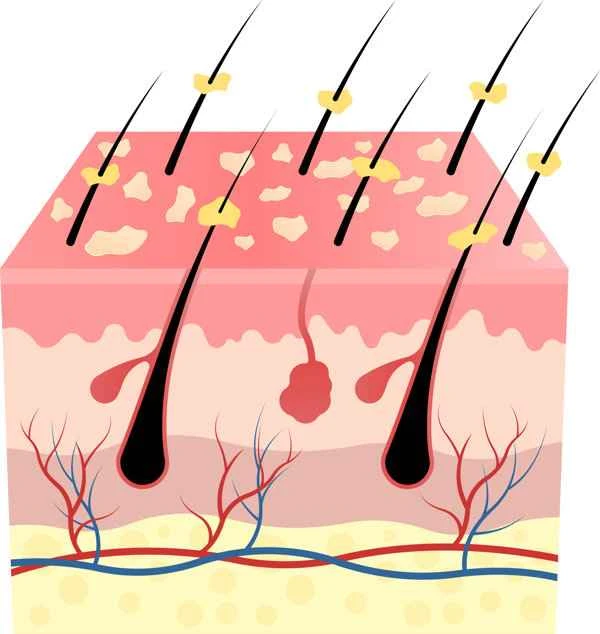
[Prevention Tips:]
1. Avoid scalp injuries, such as wearing a helmet during high-risk activities.
2. Keep your scalp clean to avoid infection, and use a mild shampoo regularly.
3. For scalp conditions such as psoriasis, follow your doctor's treatment advice to avoid worsening of the condition and scarring.
4. Pay attention to scalp health; if any abnormalities occur, consult a doctor promptly.