Shingles does not usually cause coughing up phlegm directly, but its symptoms may be associated with respiratory problems.
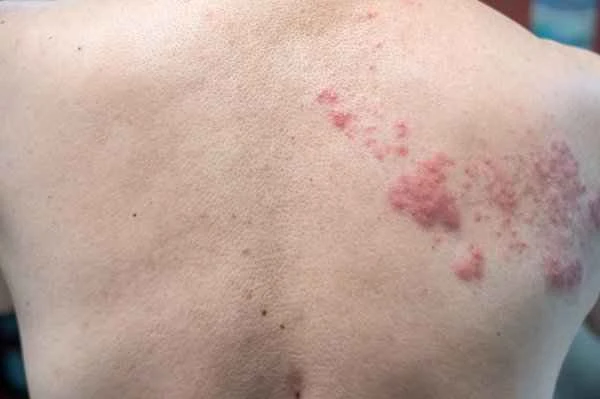
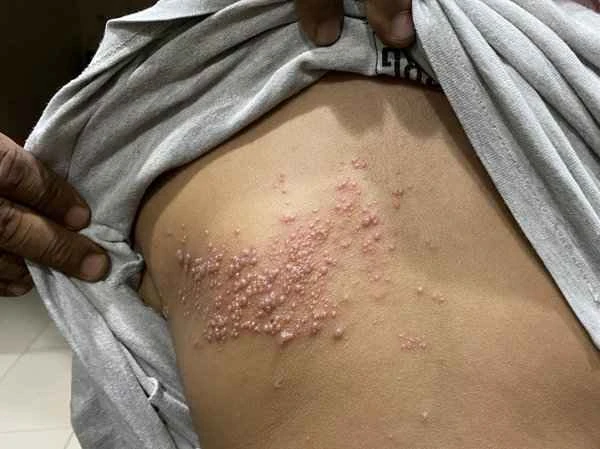
Shingles is caused by the varicella-zoster virus (VZV), the same virus that causes chickenpox. When a person is first infected with this virus, it causes chickenpox. Afterward, the virus remains dormant in nerve cells, and when the immune system weakens, it can reactivate, leading to shingles. Shingles is characterized by pain, itching, and a rash along the nerve distribution area. These symptoms are usually localized to one side of the body and appear along the nerve distribution pathway.
Shingles primarily affects the skin, but the pain and inflammation it causes can lead to coughing or phlegm in some patients. This is usually because the nerve pain and inflammation caused by shingles affect the nerves in the chest, triggering a cough reflex. This cough is not directly caused by shingles, but rather is an indirect symptom of the inflammatory response triggered by the virus. If a patient develops phlegm, further examination may be necessary to determine if other respiratory illnesses are present.
[Management Tip:]
1. Maintain good personal hygiene, wash your hands frequently, and avoid the spread of the virus.
2. If symptoms of shingles appear, seek medical attention promptly and follow your doctor's treatment advice.
3. If accompanied by cough or phlegm, seek medical attention promptly to rule out other possible respiratory illnesses.