Scar care refers to a series of measures to promote scar healing, reduce scar hyperplasia, and alleviate discomfort. The core of scar care lies in reducing inflammation in scar tissue, promoting blood circulation, preventing excessive scar growth, and keeping the scar area clean and moist.

Scar care involves multiple aspects, including medication, physical therapy, and daily care. Medication primarily involves using silicone-containing gels or patches, which help keep the scar area moist, reducing redness, swelling, and itching. Topical steroid medications can reduce inflammation and decrease the hardness and thickness of the scar. In terms of physical therapy, pressure therapy is one of the effective methods for preventing and treating hypertrophic scars. By wearing specially designed pressure garments or bandages, continuous, gentle pressure helps inhibit excessive growth of scar tissue. Daily care emphasizes keeping the scar area clean and moist, avoiding friction, pressure, or irritation to prevent worsening of symptoms.
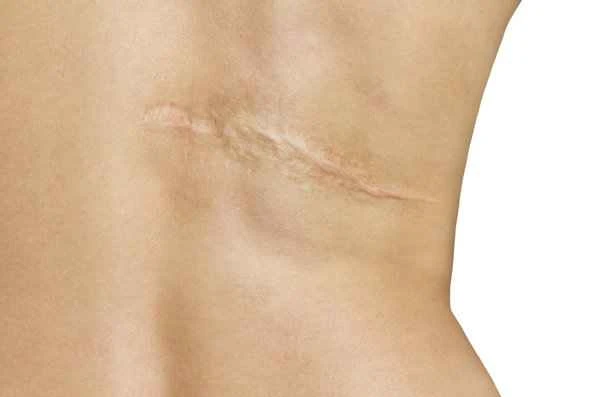
In the process of scar care, patients may encounter some common misconceptions. For example, some patients may believe that all scars require surgical treatment. In reality, many scars can be effectively managed through non-surgical methods such as medication and physical therapy. Some patients may overlook the importance of scar care, believing that scars are merely a cosmetic issue, ignoring the potential functional impairments and psychological burdens they may cause. A correct understanding of the principles and methods of scar care is crucial for patients.

[Management Tip:]
1. Use silicone-containing gels or patches to keep the scar area moist.
2. Regularly undergo stress therapy by wearing specially designed pressure garments or bandages.
3. Avoid friction, pressure, or irritation to the scarred area, and keep it clean and dry.
4. If symptoms such as redness, swelling, itching, or pain occur, seek medical advice promptly.