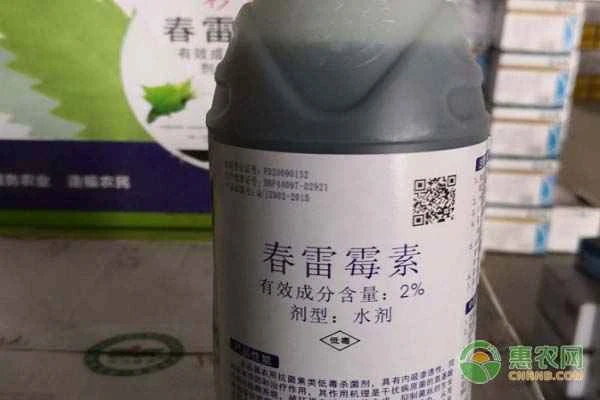
Kasugamycin is a common and effective fungicide , highly effective against bacteria and fungi, and is classified as an agricultural antibiotic. When using kasugamycin, do you know which pesticides it cannot be mixed with? Let's find out below.
Which pesticides cannot be mixed with kasugamycin?
Kasugamycin is acidic and cannot be mixed with strong alkaline pesticides such as Bordeaux mixture, lime sulfur, calcium cyanamide, lime whitewash, and basic copper sulfate. Mixing them will cause kasugamycin to lose its bactericidal effect and is also particularly likely to cause phytotoxicity.

Precautions for the use of Kasugamycin
1. Improve the quality of additives
Kasugamycin has weak bactericidal activity and slightly poor protective effect outside the plant. When using it, especially for the control of rice diseases, it is best to add an adjuvant to improve the adhesion of the pesticide solution and improve the absorption and utilization rate of the pesticide solution.
2. Apply additional spray as needed.
If it rains within 5 hours after spraying kasugamycin, a second spray should be applied.
3. Sensitive crops
Soybeans, peas, eggplants, lotus roots, and other crops are relatively sensitive to kasugamycin. When using it, these crops must be kept away to avoid phytotoxicity. Grapes, citrus fruits, apples, and other crops are also sensitive to kasugamycin produced by *Actinomyces simonii*. The instructions for use must be carefully read before application.
4. Number of uses
Repeated use of a single fungicide can lead to resistance; therefore, it should not be used more than three times per crop season. The safe interval for kasugamycin on rice is 21 days. Kasugamycin can be mixed with or used alternately with other fungicides.
5. Keep away from bee farms
Kasugamycin is toxic to bees; keep it away from apiaries.