Atopic dermatitis, also known as atopic dermatitis, is a common chronic inflammatory skin disease. A definitive diagnosis of atopic dermatitis typically requires a comprehensive consideration of the patient's medical history, clinical presentation, and the results of several auxiliary examinations.
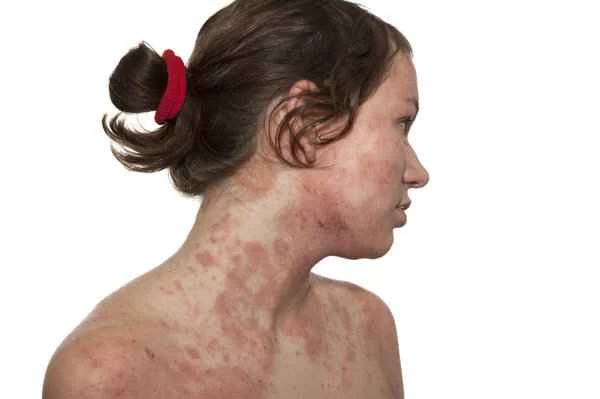
The diagnosis of atopic dermatitis is primarily based on the patient's medical history and clinical presentation. Patients typically experience long-term symptoms such as dry skin, itching, and erythema, which may worsen at night. Atopic dermatitis is also frequently accompanied by other allergic conditions, such as asthma and allergic rhinitis. These symptoms may be exacerbated by contact with certain irritants or allergens, such as wool, dust mites, and pollen. The severity and duration of symptoms can also vary with environmental changes and individual constitution.

Another situation related to the diagnosis of atopic dermatitis may require some auxiliary examinations to rule out other diseases with similar symptoms. For example, a skin scraping examination can help rule out fungal infections, and blood tests can assess allergic reactions. Once the symptoms present with widespread erythema, exudation, or intense itching, it is necessary to consider the possibility of secondary infections or other complications, and in this case, immediate medical attention should be sought for professional help.

Patients must know that a diagnosis of atopic dermatitis requires a professional doctor; self-diagnosis may lead to misdiagnosis. Common misconceptions include believing that atopic dermatitis is limited to children and ignoring the influence of environmental factors on the condition. Individual differences play a significant role in the pathogenesis of atopic dermatitis; even with similar symptoms, treatment plans may differ between patients.
[Prevention Tips:]
1. Keep your skin clean and moisturized, and use gentle, non-irritating skincare products.
2. Avoid contact with known allergens and irritants, such as tobacco smoke and dust mites.
3. Have regular skin checkups to detect and treat skin problems promptly.
4. Maintain a healthy lifestyle, including a balanced diet, sufficient sleep, and moderate exercise.