Hair loss can be caused by a variety of factors, with nutritional deficiencies being one of the most common. A lack of certain key nutrients can lead to a decline in hair health, which in turn can trigger hair loss.
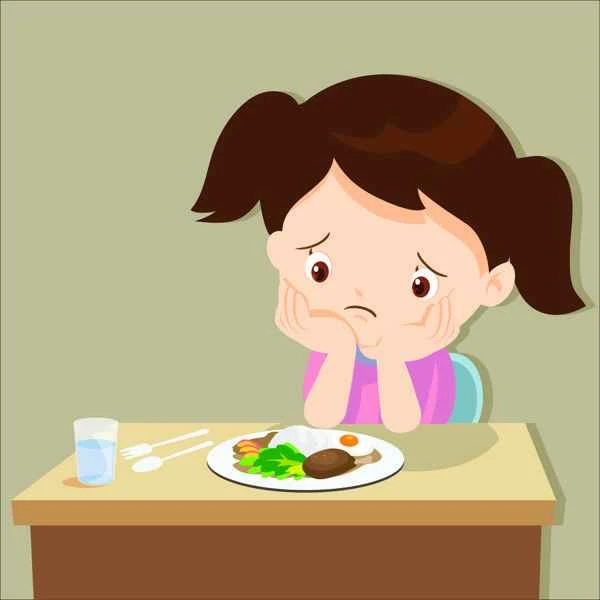
The human body needs a variety of nutrients to maintain healthy hair, including protein, iron, zinc, vitamin A, vitamin D, vitamin E, and B vitamins. When the body lacks these nutrients, the hair growth cycle is affected, leading to hair loss. For example, protein is the main component of hair, and a lack of protein can make hair brittle and prone to breakage; iron is an important element for red blood cell production, and a lack of iron can lead to anemia, which in turn affects the health of hair follicles; vitamin D is not only crucial for bone health but also closely related to hair health, and a lack of vitamin D can lead to thinning hair and hair loss.
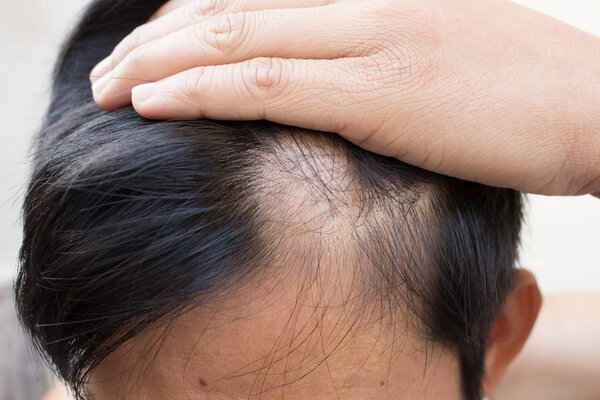
To improve hair loss caused by nutritional deficiencies, the first step is to maintain a balanced diet, ensuring sufficient intake of nutrients such as protein, iron, zinc, and vitamins. This can be achieved by increasing the consumption of foods rich in these nutrients, such as meat, fish, legumes, nuts, and leafy green vegetables. Consider supplementing with appropriate nutrient supplements under the guidance of a doctor. Maintaining healthy lifestyle habits, such as regular sleep patterns, reducing stress, and avoiding excessive use of chemical hair dyes, are also important measures for preventing hair loss.
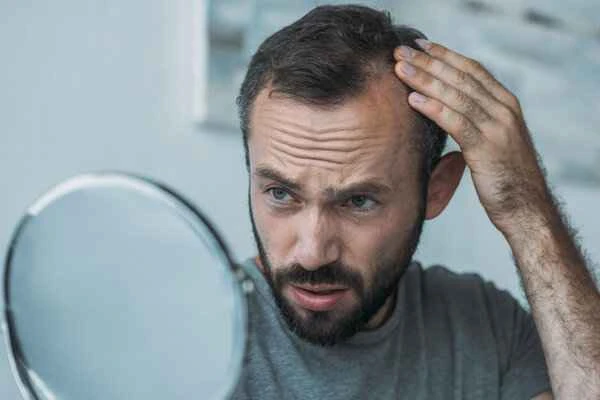
[Life Tips:]
1. Increase your intake of foods rich in nutrients such as protein, iron, zinc, and vitamins.
2. Under the guidance of a doctor, take appropriate supplements of relevant nutrients.
3. Maintain good lifestyle habits, such as regular sleep schedule and reducing stress.
4. Avoid excessive use of chemical hair dyes and other behaviors that are harmful to hair.