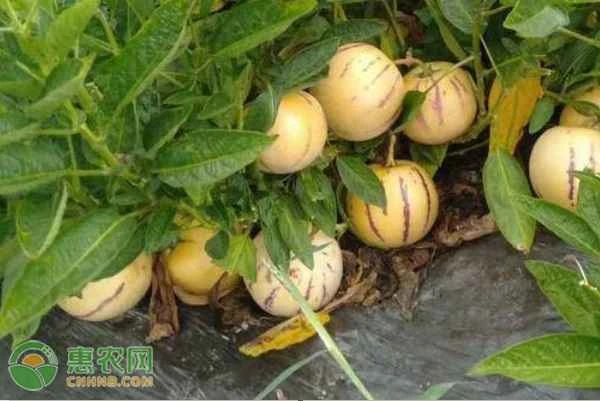
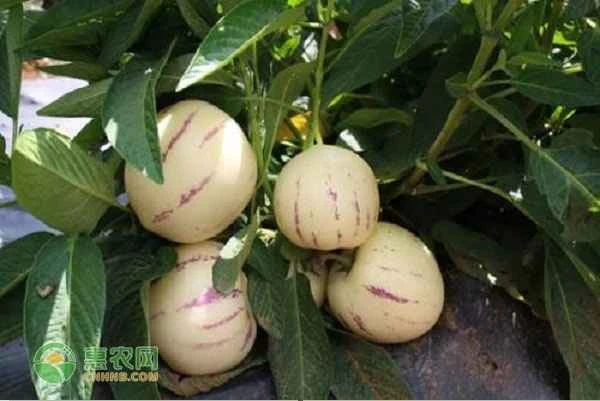
Ginseng fruit is a fruit native to South America, originally called cantaloupe. This fruit is not only fragrant, sweet, and juicy, but also extremely nutritious, and it has now been introduced and cultivated in China. However, many growers often encounter the problem of ginseng fruit only flowering but not fruiting. What causes this? Let's find out below.
1. Variety differences
Different varieties of ginseng fruit have different requirements for their growing environment. Some varieties have higher requirements and require more effort in cultivation and management, otherwise they will hardly flower and bear fruit. For example, under high temperature conditions, the large purple variety has a higher natural fruiting rate, while the round variety has a relatively lower natural fruiting rate.
2. Insufficient light
Ginseng fruit is a light-loving plant. Insufficient sunlight can easily lead to excessive vegetative growth, weak plant production, poor flower yield, and difficulty in fruiting.
3. Uncomfortable temperature
Ginseng fruit has relatively high temperature requirements during its flowering and fruiting stages, and proper temperature control is necessary during the flowering period. If the temperature remains above 30℃ for an extended period, it will negatively impact flowering and fruiting.
4. Nutritional deficiencies
Ginseng fruit requires sufficient nutrients during its growth, especially during the flowering and fruiting period. Poor soil or improper fertilization may prevent it from setting fruit properly.
5. Improper moisture
Water is a crucial factor affecting the growth and development of ginseng fruit. Too much or too little water will negatively impact the fruit set rate. Excessive water can lead to root diseases and impair nutrient absorption; insufficient water can cause drought, affecting pollen viability and fruit development.
6. Impact of pests and diseases
Common diseases affecting ginseng fruit include gray mold and blight, while pests include aphids and spider mites, all of which can affect its growth and fruit production.
7. Pollination issues
Although ginseng fruit can self-pollinate, artificial pollination is necessary to improve fruit set in situations where natural pollination conditions are insufficient, such as indoors or where insect pollinators are lacking. Improper pollination will naturally affect its flowering and fruiting.