In the process of growing tomatoes, we often encounter the problem of leaves turning yellow and wilting. This not only affects the growth and yield of tomatoes, but also makes us feel confused and helpless. So what causes tomato leaves to turn yellow? Let's take a look.
I. Reasons for yellowing and wilting of tomato leaves
1. Soil issues
Soil is the foundation for tomato growth. If the soil lacks one or more nutrients, such as nitrogen, phosphorus, potassium, and calcium, the tomato leaves will turn yellow and wither. In addition, if the soil is too wet or too dry, it will also affect the respiration and absorption of the tomato roots, which will also lead to yellowing and withering of the leaves.
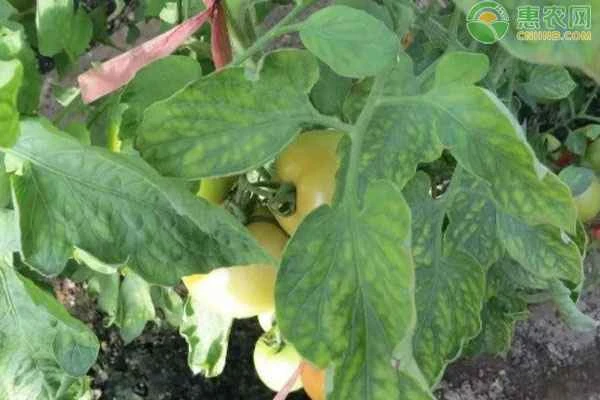
2. Pests and diseases
Tomatoes are susceptible to some pathogens or pests, such as early and late blight, sclerotinia rot, gray mold, aphids, and spider mites. These diseases and pests can damage the leaves or roots of tomatoes, causing the leaves to turn yellow and wither.
3. Temperature issues
Tomatoes are a warm-natured vegetable, with an optimal growing temperature of 20-25℃. Temperatures that are too high or too low can affect the physiological activities of tomatoes, causing the leaves to yellow and wither. Especially at high temperatures, the transpiration rate of tomatoes increases, leading to rapid water evaporation, causing the leaves to lose water and turn yellow and wither.
4. Lighting issues
Tomatoes need ample sunlight to promote photosynthesis and growth. Insufficient sunlight inhibits chlorophyll synthesis, causing leaves to turn pale or yellow and eventually wither. Excessive sunlight can damage the leaves, causing scorching or drying, and resulting in yellowing and wilting.
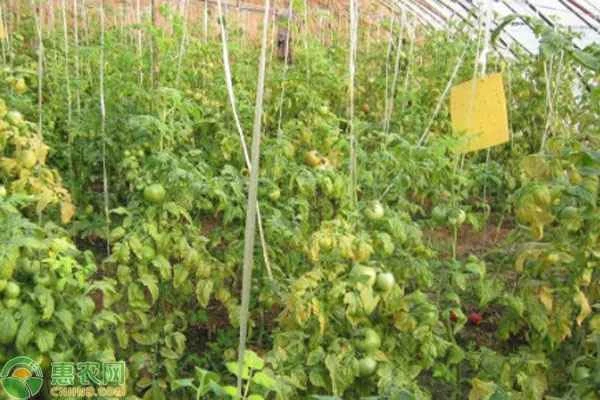
II. Solutions for Yellowing and Wilting Tomato Leaves
1. Soil issues
We should regularly test the soil's nutrients and moisture, and apply appropriate amounts of compound fertilizer or organic fertilizer as needed to replenish the soil's nutrients. At the same time, we should control the amount and frequency of watering, keeping the soil moderately moist and avoiding overwatering or underwatering.
2. Pests and diseases
We should promptly detect and identify tomato diseases and pests, and select appropriate fungicides or insecticides for control based on the specific diseases and pests, such as metalaxyl, thiophanate-methyl, imidacloprid, and abamectin. At the same time, we should strengthen the tomato's disease resistance by spraying fertilizers or pesticides that enhance plant immunity, such as foliar fertilizers like Bica and seaweed fertilizers.
3. Temperature issues
We should adjust the temperature of the growing environment for tomatoes according to different seasons and climates, avoiding excessively high or low temperatures. In high temperatures, we can increase ventilation to lower the temperature, or provide appropriate shade to reduce light intensity. In low temperatures, we can strengthen insulation to raise the temperature, or use heating equipment or materials such as radiators or plastic films.
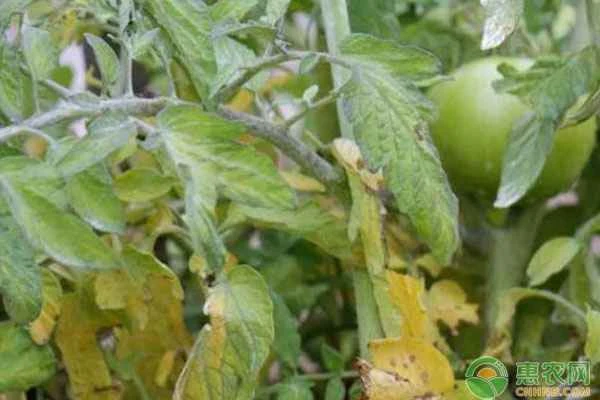
4. Lighting issues
We should ensure that tomatoes receive sufficient sunlight to promote photosynthesis and growth. If sunlight is insufficient, we can use light-enhancing equipment or materials, such as lamps or reflectors. If sunlight is too strong, we can provide appropriate shade to reduce light intensity, or use sun-protective equipment or materials, such as shade nets or shade cloths.