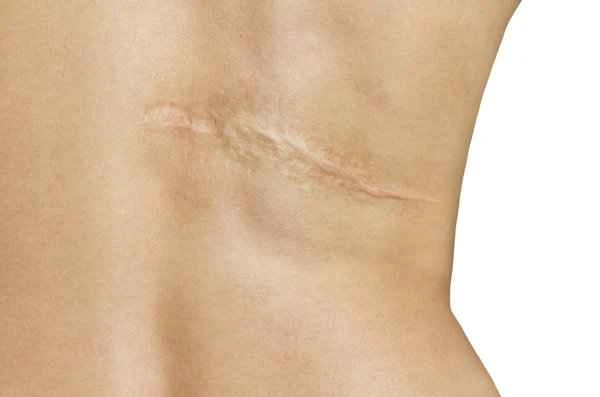
Scar repair after mole removal surgery refers to the use of a series of medical procedures to improve or eliminate scars left by such procedures. It's a comprehensive process involving skin regeneration, collagen remodeling, and the restoration of skin structure. After trauma, the skin undergoes three stages: inflammation, proliferation, and remodeling. The principle of scar repair is to promote the skin's natural repair process, accelerating collagen production and arrangement to improve scar appearance. This process may include the use of topical medications, laser therapy, and microneedling. These methods promote skin cell regeneration and repair through different mechanisms, thereby improving the appearance and texture of the scar. For example, laser therapy can stimulate the skin to produce more collagen, helping to restore skin elasticity; while microneedling uses tiny needles to stimulate the skin, promoting collagen production and improving scars.
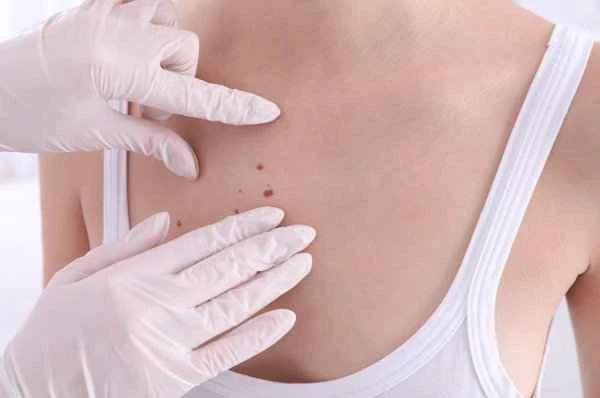
During the process of mole removal and scar repair, patients need to understand the potential risks and common misconceptions surrounding the treatment. While many treatments can effectively improve scars, they cannot completely eliminate them, and treatment results can vary from person to person. Some patients may mistakenly believe that all scars can be repaired through simple home care, neglecting the importance of professional treatment. In fact, for some more severe scars, such as hypertrophic scars or keloids, more specialized treatments may be required, such as surgical excision or subcutaneous injections. Side effects may occur during treatment, such as skin redness, swelling, and pain, which can affect the treatment's effectiveness and the patient's comfort. When choosing a treatment option, patients should fully understand the advantages and disadvantages of various treatment methods and make a decision under the guidance of a professional doctor.
[Management Tip:]
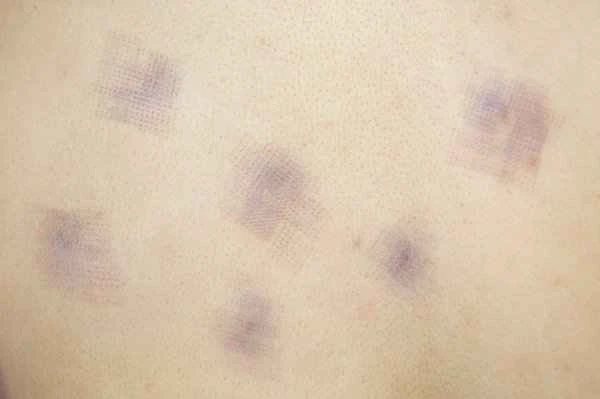
1. Choose an appropriate treatment plan and proceed under the guidance of a professional doctor.
2. Pay attention to skin care during treatment to avoid infection.
3. Regular follow-up examinations to monitor the scar healing process.