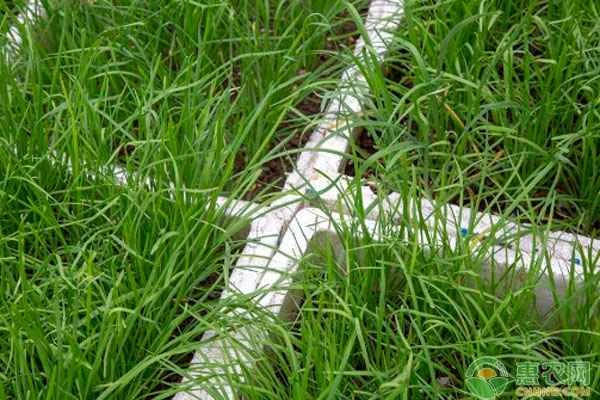
Chives are a perennial vegetable that can be harvested many times from a single planting and can be harvested for many years. Chives are also known as "lazy man's vegetable". In order to make chives grow well, strong, and produce high yields, and to continuously harvest high-quality chives, fertilization is necessary. So what kind of fertilizer is best for chives? Let's take a look.
1. Organic fertilizer
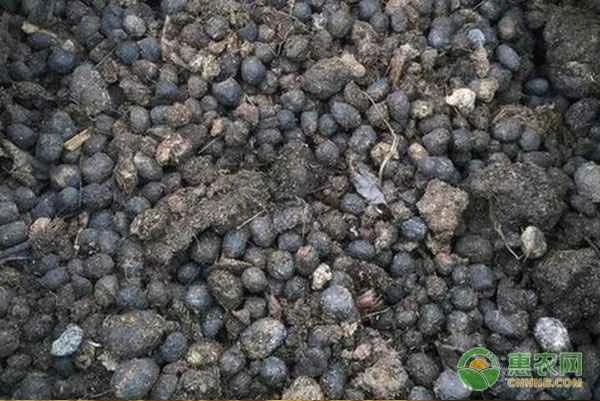
Chives thrive in fertile, well-aerated, and well-drained soil. Organic fertilizer is an ideal choice, providing abundant nutrients and effectively improving soil quality. You can apply compost, well-rotted animal and plant waste, or organic fertilizers such as fishmeal and bone meal to the soil to provide ample nutrients for your chives.
2. Nitrogen fertilizer
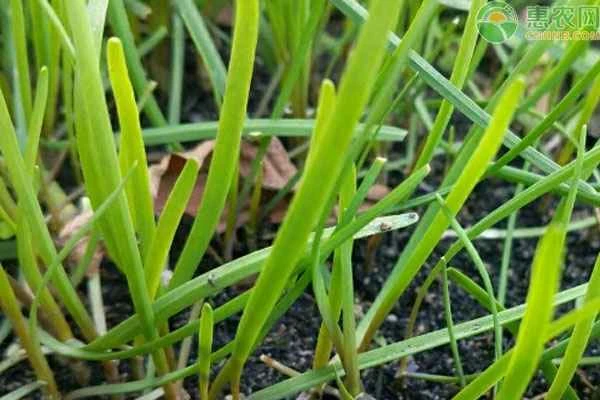
Nitrogen is one of the key elements required for plant growth, and it is also a major nutrient needed for chives. Applying an appropriate amount of nitrogen fertilizer can promote the growth of chive stems and leaves, making them grow tall and strong. You can choose organic nitrogen fertilizers, such as fish meal and earthworm castings, or you can use chemical nitrogen fertilizers, such as urea. However, you should be careful to control the amount of nitrogen fertilizer used to avoid excessive application, which can lead to weak plants or nutrient overload.
3. Phosphate and potash fertilizers
Besides nitrogen fertilizer, phosphorus and potassium are also essential elements for chive growth. Phosphorus promotes root development and flowering, while potassium helps improve the plant's disease resistance and stress tolerance. Applying appropriate amounts of phosphorus and potassium fertilizer can increase the yield and quality of chives. You can choose compound fertilizers containing both phosphorus and potassium, or you can choose to apply phosphorus and potassium fertilizers separately.
4. Micronutrient fertilizers
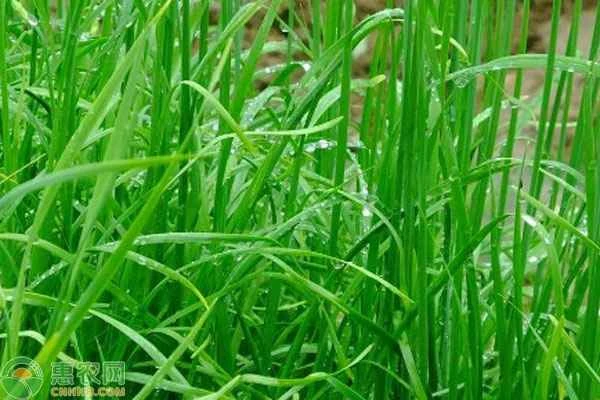
Besides nitrogen, phosphorus, and potassium, chives also need some trace elements to maintain normal growth and metabolism. For example, trace elements such as iron, zinc, and manganese play an important role in plant photosynthesis and enzyme activity. You can choose a compound fertilizer containing multiple trace elements, or apply fertilizer specifically targeting the trace elements that are lacking based on soil test results.
5. Increase the application of organic matter
Besides choosing suitable fertilizers, increasing the application of organic matter is also a crucial step in the vigorous growth of chives. Organic matter can improve the soil's water retention and fertilizer retention, increasing soil fertility and providing a better growing environment for chives. You can choose to add an appropriate amount of well-rotted compost or organic waste, mixing it into the soil to make it more fertile.
6. Rational fertilization methods
Besides choosing suitable fertilizers, proper fertilization methods are also key to promoting robust growth of chives. First, adhere to the principle of appropriate fertilizer application, avoiding both over- and under-fertilization. Second, fertilize in stages, according to the growth stage and needs of the chives; for example, focus on nitrogen fertilizer during the growth period and phosphorus and potassium fertilizer during the flowering and fruiting period. Finally, ensure even distribution of fertilizer to avoid concentrated application that could lead to over- or under-fertilization in certain areas.