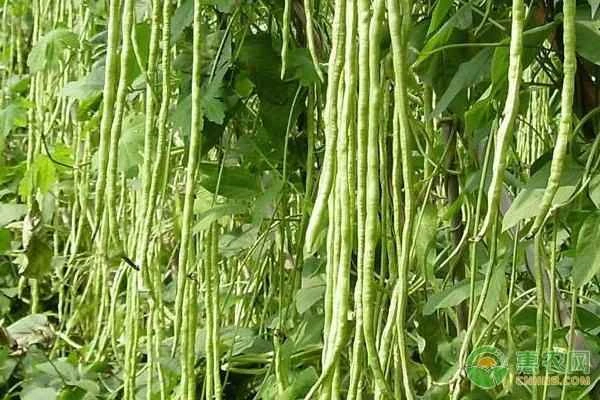
Green beans, also known as cowpeas, long beans, and string beans, are a common vegetable crop with edible, fleshy pods that are rich in nutrients. So, how do you properly fertilize green beans during cultivation? What fertilizers are most harmful to green beans? Let's find out below.
What fertilizer is most harmful to green beans?
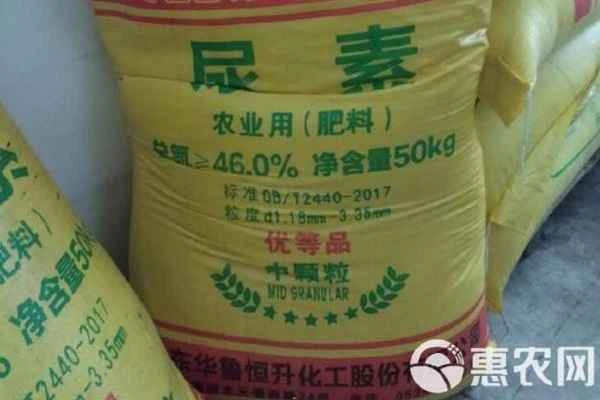
The most harmful fertilizers for green beans are urea, ammonium bicarbonate, and ammonia. For production, it is recommended to use more organic fertilizers , phosphorus and potassium fertilizers, and micronutrient fertilizers. Manure and oilseed cake are the best choices for organic fertilizers, while compound fertilizers are preferable for chemical fertilizers .
How to properly fertilize green beans?
1. Apply heavy base fertilizer
Base fertilizer should primarily consist of well-rotted organic fertilizer, supplemented with appropriately proportioned compound or mixed fertilizers. High-phosphorus and potassium compound or mixed fertilizers, such as 15-15-15 sulfur-containing compound fertilizer, are suitable for use as base fertilizer for green beans.
2. Skillful application of topdressing
The first topdressing should be applied during the budding stage of the first inflorescence, using 10 kg of urea per mu (approximately 0.067 hectares) or an appropriate amount of manure. After the pods reach 3-4 cm in length, continuous topdressing should begin, generally every 10-20 days depending on the crop rotation and plant vigor. Topdressing is best done with irrigation water to facilitate dissolution. It is also advisable to water once between topdressings to promote photosynthesis and meet the needs of rapid pod growth.
3. Apply foliar fertilizer.
Generally, you supplement what's lacking. During the flowering and pod-setting stages, green beans most need phosphorus, potassium, boron, and molybdenum. Potassium dihydrogen phosphate can be used for phosphorus and potassium, while boron and molybdenum can be obtained using a boron-molybdenum supplement. Dilute according to the packaging instructions and spray once before flowering and 1-2 times after pod setting. This will effectively promote flowering and pod development, and protect flowers and pods. Note that the concentration of foliar fertilizer should not be too high, as this can easily burn the leaves. Furthermore, it's best to apply the fertilizer on days with low evaporation, such as cloudy days, before 9 am, or after 4 pm, to maximize its effectiveness.