Lychee is a popular fruit, and many people buy it to enjoy when it's in season. In areas where lychee can be grown, many people want to cultivate it. So, how do you prepare newly purchased lychee seedlings for transplanting? Let's take a look.
1. Planting density: The planting density of lychee trees is 3 meters × 3 meters, and the ideal tree height is 1.5-2 meters.
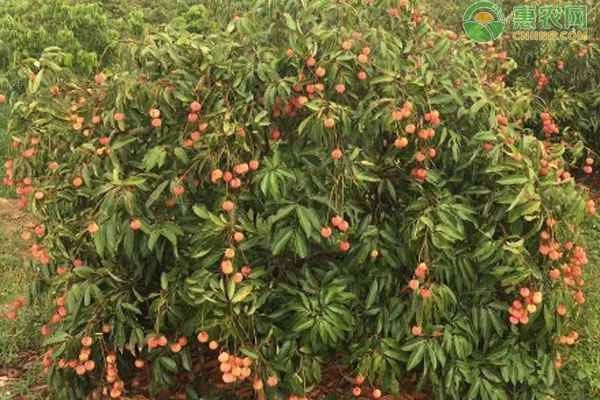
2. Fertilization: Begin fertilizing one month after planting. For the first two to three years, focus on promoting shoot growth and increasing root mass. A "one shoot, three fertilizations" or "one shoot, two fertilizations" method can be used. When the terminal buds of the shoots begin to sprout, apply a fast-acting fertilizer, primarily nitrogen-based, to promote rapid leaf and shoot growth. When shoot growth has largely stopped and the leaves have turned from red to green, apply a second fertilizer to promote shoot greening and thickening. After the shoots have turned green, apply a third fertilizer to accelerate shoot maturation. In the first year after planting, use a mixture of approximately 15 grams of urea, 25 grams of compound fertilizer , 50 grams of superphosphate, and 10 grams of potassium chloride per plant each time. Young trees have weak nutrient absorption capacity and fewer roots; therefore, foliar fertilizer can be sprayed 5-6 times per year.
3. Irrigation and Drainage: Lychee trees have shallow root systems and are greatly affected by dry air and soil conditions. Therefore, it is important to keep the soil moist and irrigate regularly. During the rainy season, prevent waterlogging in the planting hole; raising the planting position appropriately can facilitate normal growth. Lychee trees prefer loose soil and well-aerated mycorrhizal structures, so loosening the soil and weeding should be done 5-6 times a year.
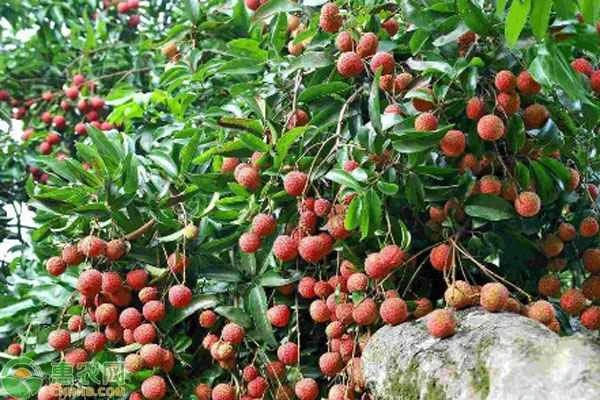
4. Soil Improvement : Soil improvement in lychee orchards can include thickening the soil layer, deep tilling and conditioning, and increasing organic matter. One method is to dig two parallel or circular fertilization trenches, applying superphosphate, farmyard manure, and compound fertilizer to each trench, and then covering it with soil 25-30 cm above ground level.
5. Intercropping and Mulching: Young lychee orchards can make full use of land for intercropping and mulching to increase yields. Managing intercropped crops can suppress weeds, prevent soil erosion, retain moisture, prevent drought, and promote soil improvement. Mulching can lower soil temperature, reduce direct sunlight on the ground, reduce weed growth, retain moisture and prevent drought, and increase organic matter. Generally, field weeds or crop stems can be used to cover the base of the trees.
6. Shaping and Pruning: Shaping and pruning of young litchi trees can be carried out after the main trunk has reached a height of 30-40 cm and 3-4 evenly distributed main branches. The goal of pruning is to remove crossing, overly dense, and weak branches, as well as flower spikes that are not conducive to fruiting. Pruning methods can include pruning, pinching, branch pulling, branch hanging, and spreading.
7. Cold Protection: Lychee trees are subtropical fruit trees and have low tolerance to cold. Before winter, cover the topsoil around the roots with green manure, weeds, or other mulch to increase soil temperature and protect the root system. Whitewashing the trunk can also protect the trees from cold damage.
8. Agricultural Control: Lychee trees may be affected by pests and diseases during their growth, thus requiring agricultural control. Suitable fertilizers and pesticides can be used to control pests and diseases such as lychee stink bugs, downy mildew, and lychee fruit borers. Simultaneously, it is essential to protect flowers and fruits and safeguard healthy autumn shoots to ensure lychee yield and quality.