Strawberries are a fruit that's very suitable for growing in pots . They can be planted on balconies, in the ground, or even grown in hanging baskets. With proper care, they easily flower and bear fruit. So, what are the methods for growing potted strawberries ? Let's find out below.
1. Variety selection
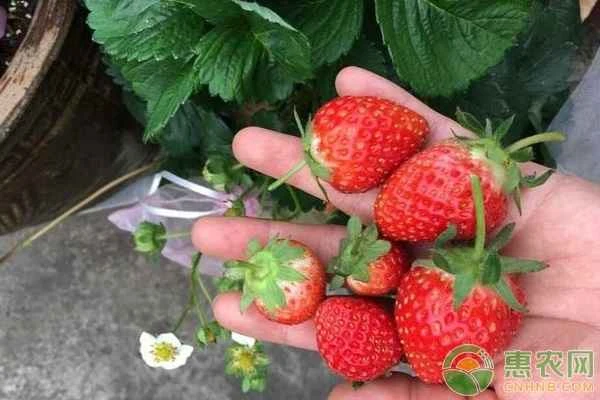
For potted strawberries, choose varieties that grow vigorously, have upright leaves, attractive fruit shape, long flowering period, and strong self-pollination ability. Those that can bear fruit in all four seasons are best, such as 'Hongyan', 'Fengxiang', 'Zhangji', and 'Sweet Charlie'.
2. Potting soil selection
Strawberry roots are mostly distributed more than 20 cm above the soil surface, so the flowerpot should not be too deep. A flowerpot with a diameter of about 25 cm and a depth of about 30 cm is ideal, and ceramic pots are the best choice. The soil should be rich in humus, or you can prepare your own potting mix by sterilizing field soil at high temperature and then adding fully decomposed farmyard manure in a 7:3 ratio.
3. Potting
Soak the flowerpot thoroughly in water. Place broken tiles or stones at the bottom of the pot, add some eggshells or fishmeal, then fill with some potting soil. Place the seedling in the soil, ensuring the roots are spread out. Fill in the remaining potting soil, planting at a depth that does not expose the roots or bury the crown. Firm the soil around the seedling to secure it, leaving a 3-4 cm gap between the soil surface and the rim of the pot. Water thoroughly after planting to help the seedling recover.
4. Maintenance and Management
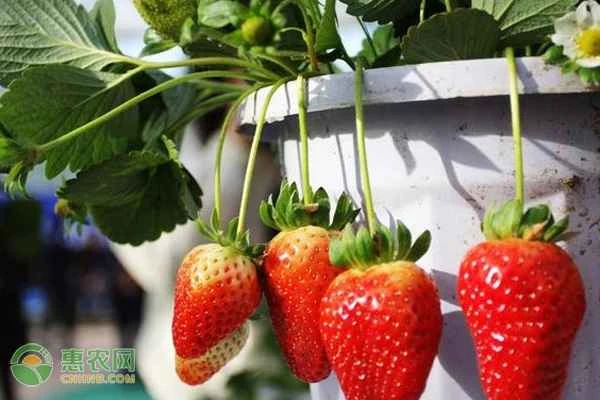
During the strawberry growing season, pay attention to watering. Water thoroughly when the soil is completely dry, but avoid waterlogging in the pot, as this can easily lead to root rot. To promote better growth of the strawberry seedlings , you can fertilize them regularly, such as with a general-purpose fruit and vegetable nutrient solution. Generally, fertilizing once every two weeks is sufficient; simply dilute the liquid fertilizer before use. In addition, regularly remove old, damaged, diseased, and excess runners to reduce nutrient consumption and improve fruit quality.
5. Pest and disease control
Based on the principles of prevention first and integrated pest management, for diseases such as powdery mildew and gray mold, iprodione and thiophanate-methyl can be used for control; for pests such as spider mites and aphids, etoxazole or abamectin can be used for extermination.