Osmanthus flowers typically bloom in September and October. As people's living standards improve, more and more people are planting osmanthus, some in their courtyards and others at home. So how do you care for an osmanthus tree ? Let's take a look.
1. Varieties
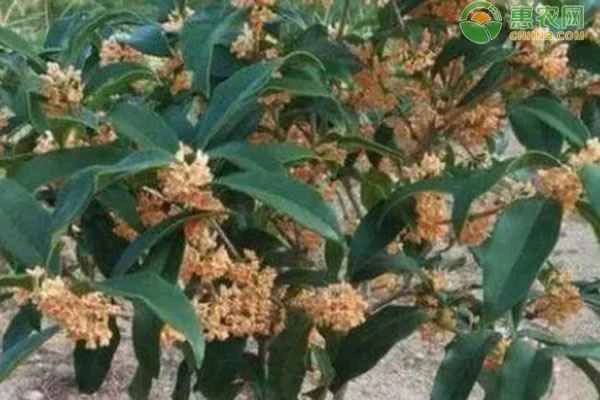
There are many varieties of osmanthus , and choosing the right variety based on the local climate and personal preference is the first step to successful cultivation. Common osmanthus varieties include red osmanthus, silver osmanthus, and golden osmanthus, each adapting to different growing environments and possessing its own unique characteristics.
2. Soil
Osmanthus prefers fertile, loose, well-drained, slightly acidic soil. When preparing the soil, you can add an appropriate amount of sand, leaf mold, and garden soil to ensure the soil's water retention and aeration.
3. Temperature
The ideal growing temperature for osmanthus is 15-28℃. During the high temperatures of summer, care should be taken to provide shade and lower the temperature; in winter, the room should be kept warm to prevent frost damage.
4. Light
Osmanthus prefers a sunny environment and needs at least 6 hours of direct sunlight every day. When growing it indoors, it should be placed on a sunny balcony or windowsill.
5. Watering
Osmanthus trees dislike waterlogging but prefer a humid environment. Watering should follow the principle of "watering only when the soil is slightly dry," meaning water only after the soil surface has dried out slightly, and then water thoroughly. In dry seasons, you can spray water around the osmanthus tree and its leaves to keep the leaves green and increase humidity.
6. Fertilizing
During its growth process, osmanthus needs ample nutrients. Fertilize monthly in spring and autumn, which are the peak growing seasons, using mainly well-rotted organic fertilizer . Reduce fertilization frequency in winter and summer.
7. Pruning
Proper pruning helps osmanthus maintain its beauty and health. Pruning mainly involves removing diseased, weak, and irregular branches during the growing season. This promotes the growth of more healthy branches and improves the plant's ventilation. Pruning also enhances the flowering effect of osmanthus, making its overall shape more aesthetically pleasing.
8. Reproduction
Osmanthus can be propagated mainly through layering, cuttings, and division. Among these, cuttings are the most common method. Simply select healthy branches in autumn or spring for cuttings, maintain suitable temperature and humidity, and they will root in about a month.
9. Pests and diseases
Regularly inspecting the branches and leaves of osmanthus is crucial for preventing and controlling pests and diseases. If signs of pests or diseases are found, such as wilting, yellowing, or spots on the leaves, immediate action should be taken. Chemical and biological control methods can be used, but care should be taken to choose methods that are harmless to humans and the environment.