Mulberry trees are widely cultivated in China, and every part of them is valuable. Mulberry leaves can be used to feed silkworms, mulberries are edible and can be used to make wine, and the root bark can be used in medicine. So, are ungrafted mulberry seedlings or grafted mulberry trees better? Let's find out.
Are ungrafted mulberry seedlings or grafted mulberry trees better?
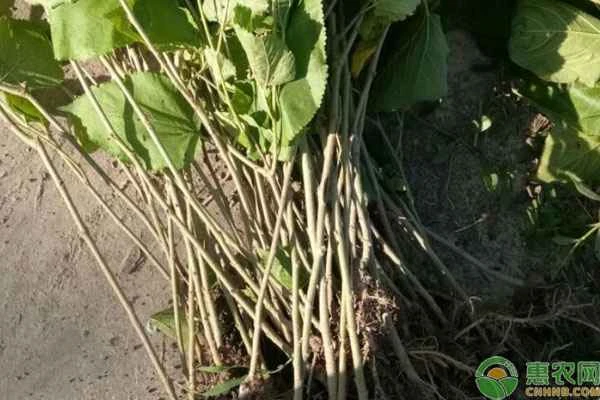
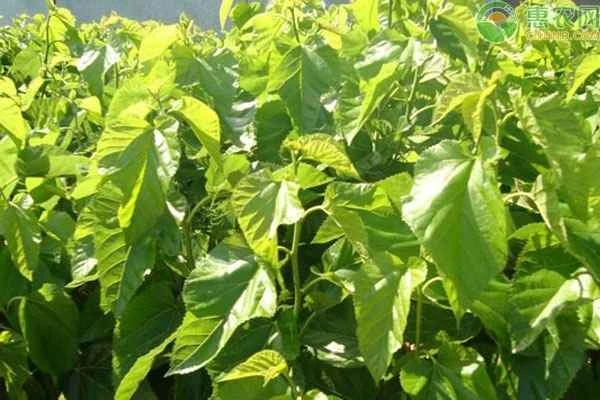
The grafted mulberry seedlings should be of good quality. Grafted mulberry seedlings are characterized by abundant fruit, large, smooth, and thick leaves, and vigorous growth. Generally, there will be obvious grafting marks about 5 centimeters above the base of the seedling, which can be easily identified upon purchase.
How to choose when buying mulberry seedlings?
1. Check the price
The price of mulberry seedlings is approximately 2 to 5 yuan per seedling, but the price varies greatly depending on the size, variety, origin, and market. There are many varieties of mulberries, with common cultivated varieties including Lu mulberry, white mulberry, Guangdong mulberry, and Ruisui mulberry. They are commonly propagated by seeds, grafting, and layering. Grafted mulberry seedlings planted in the same year can generally bear fruit from April to June of the following year.
2. Look at the variety
Generally, we select mulberry seedlings based on the principle of choosing superior varieties that are suitable for the local geographical environment and climate, have few pests and diseases, and have high yields. After selecting suitable mulberry seedlings, it is important to choose the correct planting time to ensure a bumper mulberry harvest. Generally speaking, mulberry seedlings can be planted in spring, summer, or autumn, but the specific planting time depends on the local weather.
3. Examine the root system
High-quality mulberry seedlings should have numerous lateral and fibrous roots, with the lateral roots evenly distributed and not biased to one side. The fibrous roots should be bright yellow. Seedlings with short roots, broken roots, or cracked roots are not suitable for planting.
4. Check the height
The height of the mulberry seedling from the root collar to the tip should reach about 1 meter. Before planting, trim any excessively long roots to prevent them from curling and shrinking during planting, which would affect development. Remove any mechanically damaged or curled parts to prevent the wounds from rotting and spreading. If possible, a rooting agent can be used to promote root growth.