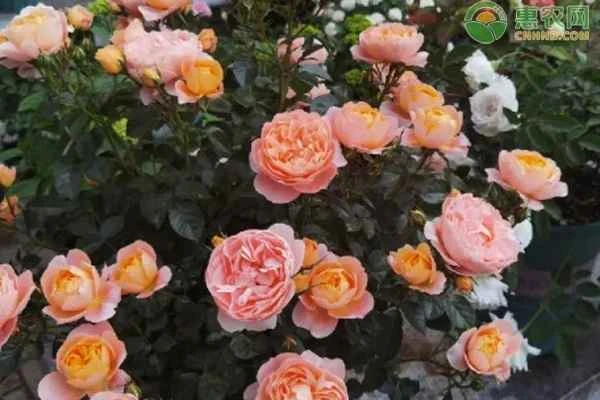
The rose, known as the "Queen of Flowers," is beautiful in appearance, fragrant, and resilient, making it a popular choice for many to grow at home. So, how do you care for a rose? Let's find out below.
1. Potting soil selection
Roses thrive best in fertile, loose, slightly acidic, and well-drained soil rich in organic matter, with a pH level that is either slightly acidic or neutral. For home potted roses, a mixture of garden soil, compost, river sand, vegetable cake, and bone meal in a 3:3:2:1:1 ratio is generally suitable.

2. Light and temperature management
Most roses prefer warmth but are not heat-tolerant, though they have some cold tolerance. Their optimal growing temperature is generally 16-25℃ during the day and 11-16℃ at night. Roses also thrive in bright light and require ample ventilation; dark, damp environments are prone to pests and diseases and can easily cause roses to wither.
3. Watering tips
Roses prefer moist loam and are relatively drought-tolerant. During the growing season, water only when the soil is dry to the touch, allowing it to dry completely between waterings. In spring, it is best to water in the morning; in summer, water in the early morning or late evening; and in autumn and winter, water in the morning.
4. Apply fertilizer appropriately
Roses require a lot of fertilizer to grow , so we need to add base fertilizer to the bottom of the pot for potted roses. We can use withered branches and leaves mixed with kitchen waste and organic fertilizer and place them at the bottom of the pot. This base fertilizer will provide the roses with sufficient nutrients. In addition, we must follow the principle of applying fertilizer sparingly and frequently, generally fertilizing about once every ten days. Well-rotted organic fertilizer is the best choice.
5. Scientific pruning
The pruning method depends on the rose variety. Climbing roses only need light pruning after flowering. Shrubs and miniature roses, on the other hand, require a major pruning after winter, leaving only about 20 centimeters of branches above the soil and removing the rest. In addition, post-flowering pruning should be done promptly to help the plant conserve nutrients.