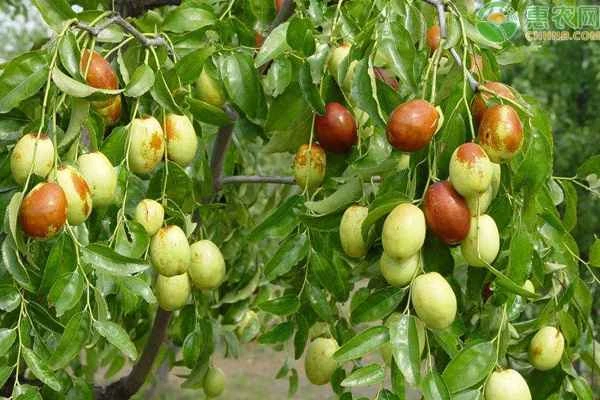
Jujubes have been considered one of the "Five Fruits" since ancient times. Rich in nutrients, they are an excellent choice for nourishing the body in autumn and winter, and are deeply loved by consumers. If you want to plant jujube trees, how do you cultivate jujube seedlings ? Below, we will introduce the grafting method for jujube seedling cultivation.
1. Grafting time
Grafting of jujube seedlings can be carried out from spring to summer, with the grafting time generally in spring (March to May). Common grafting methods include bud grafting, cleft grafting, and whip grafting. The appropriate grafting method can be selected according to the actual situation.
2. Cultivating rootstocks
First, the rootstock needs to be cultivated. In late October, the soil in the pre-built greenhouse should be deeply tilled to a depth of 40 cm, removing stones and root debris. After sterilization and disinfection, the soil should be leveled and ridges made. The ridges should be 55 cm apart and 20 cm high, with 3000 kg/mu of well-rotted farmyard manure applied during ridge making. After the ridges are made, they should be leveled with wooden boards and thoroughly watered.
3. Seed germination
The seeds used for sowing must be high-quality jujube seeds that have been machine-processed without damage, are fully mature, and have a germination rate of over 90%. Before germination, soak the seeds in warm water at 30-40℃, and remove any immature seeds that float on the surface. Once the seeds have fully absorbed the water and swelled, remove them and place them in a clean container for germination. During this process, check and turn the seeds frequently, and keep them moist. Sowing can begin when nearly half of the sprout tip has emerged.
4. Sowing
Before sowing, use an iron rake to level the ridge surface and expose the moist soil. Then, use a pre-made hole punch to make holes for sowing. When punching, apply even force and ensure consistent depth. Sow 3-4 kernels per hole. After sowing, water the soil and cover it tightly with fine soil, about 20 cm thick.
5. Thinning and fixing seedlings
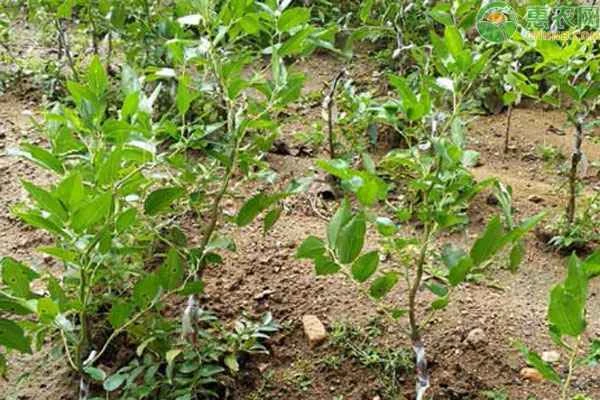
When the seedlings reach 3-4 cm in height, begin the first thinning, and fill in any missing seedlings during this process. When the seedlings reach 5-7 cm in height, begin final spacing. The number of seedlings should be 10,000-11,000 per acre.
6. Irrigation and Fertilization
When the seedlings reach a height of 10 cm or more, they enter a rapid growth period. To ensure that the seedlings meet the requirements for water and fertilizer, they should be irrigated and fertilized every 10 to 15 days. The fertilizer should mainly consist of farmyard manure (biogas slurry, human excrement) or quick-acting chemical fertilizer (urea, ammonium bicarbonate).
7. Grafting of seedlings
When the rootstock diameter reaches 0.7 cm or more, the plastic film can be removed before grafting. Scions that have been cut and wax-sealed in spring are preferred. Grafting can be done using either tongue grafting or side grafting. To reduce the number of times sprouting occurs, the grafting site should be as close to the rootstock as possible. Before the graft union heals, root suckers and weeds must be strictly controlled to avoid affecting seedling survival rate and normal growth. Water should be applied promptly during dry periods, and fertilization should be combined with irrigation.