Rice is not suitable for cultivation in northern regions, so China's wheat mainly comes from the north. Wheat is relatively adaptable, making it a staple food in the north. Wheat is divided into winter wheat and spring wheat. So, should winter wheat or spring wheat be grown on the North China Plain? Let's take a look.
1. Should winter wheat or spring wheat be planted in the North China Plain?
Winter wheat is grown on the North China Plain. The Northeast Plain of my country is in the temperate zone, while the North China Plain is in the warm temperate zone. Because the North China Plain has more heat and higher temperatures than the Northeast Plain, winter wheat is the main crop grown there, primarily in provinces such as Hebei, Henan, Shanxi, Shaanxi, and Shandong.
II. When should wheat be sown in North China?
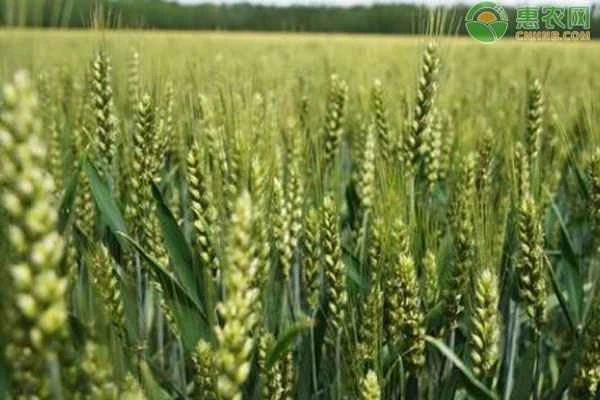
In North China, mid-October is the ideal time to plant winter wheat. Seedlings emerge well after sowing, as the temperature is suitable for germination and allows the wheat to safely overwinter. Before planting, the wheat seeds should be treated with either potassium dihydrogen phosphate solution or imidacloprid solution. After treatment, the seeds should be sun-dried and then sown directly.
III. Wheat Planting Methods
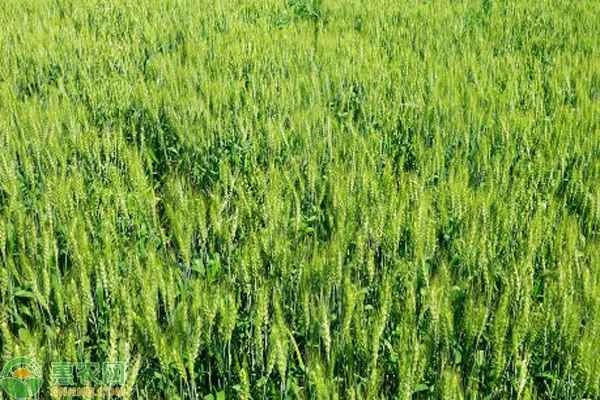
1. Land preparation and fertilization: Before planting wheat, the plow pan must be broken up and the land deeply loosened and tilled to increase soil permeability. At the same time, depending on the soil fertility, appropriate amounts of chemical fertilizers and organic fertilizers should be applied to provide sufficient nutrients for wheat growth.
2. Seed treatment: Select wheat varieties with strong disease resistance and adapted to local ecological conditions. Before sowing, screen, dry, and treat the seeds with pesticides to improve their disease resistance and germination rate.
3. Sowing: Determine the appropriate sowing depth and seeding rate based on local soil and climate conditions. Generally, the sowing depth should be controlled at 3-5 cm, and the seeding rate should be 10-15 kg per mu (approximately 0.067 hectares). Use broadcasting or row sowing methods to ensure that the seeds are evenly distributed in the soil.
4. Field Management: After wheat emergence, timely cultivation, weeding, seedling inspection and replanting, and pest and disease control are necessary. Based on the wheat's growth, apply appropriate amounts of phosphate, nitrogen, and potassium fertilizers to meet the needs of different growth stages. Simultaneously, closely monitor weather changes and take timely measures for drought resistance, soil moisture conservation, drainage, and flood prevention.
5. Harvesting and Storage: Wheat should be harvested promptly when it reaches the late waxy ripening stage to the early fully ripening stage. After harvesting, the wheat should be cleaned, dried, and graded for storage to ensure its safety and quality.
IV. Precautions for Wheat Planting
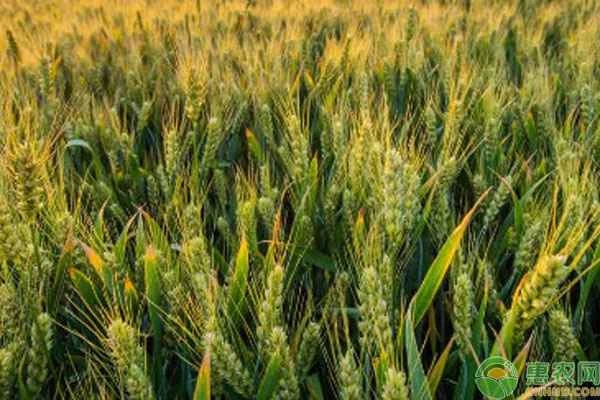
1. When planting wheat, the planting time should be arranged reasonably, and close attention should be paid to local climate change to avoid extreme weather that could lead to reduced yield.
2. When selecting wheat varieties, local market demand and ecological conditions should be fully considered, and varieties with excellent quality and strong adaptability should be selected.
3. During the wheat growth process, problems should be identified and addressed promptly, and field management should be strengthened to ensure healthy wheat growth.
4. When harvesting and storing wheat, pay attention to measures such as rodent control, insect control, and moisture control to ensure the safety and quality of the wheat.