Spring is just around the corner, and the flowering and fruiting period is crucial for fruit trees. If the flowers and fruits cannot be protected, the yield will be very low. So, what pesticides are best for protecting the flowers and fruits of fruit trees? Let's take a look.
1. What pesticide is best for protecting fruit trees from flowering and fruiting?
1. It is generally recommended to spray with 0.1% boron source + 0.2% potassium dihydrogen phosphate before flowering. Boron source is beneficial to promote pollen tube germination. Without the participation of boron, fruits and vegetables will show symptoms such as flowering but not fruiting, shriveled inflorescences, flower and fruit drop, and low fruit set rate. Potassium dihydrogen phosphate is beneficial to promote flowering of fruit trees.
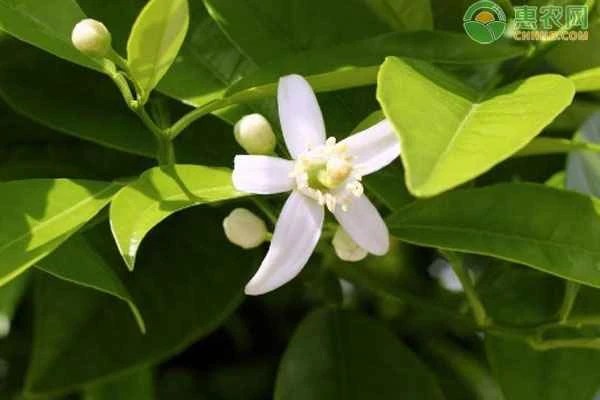
2. Spray once during the peak flowering period and once during the post-flowering period. The formula is 0.1% boron source + 0.2% phosphorus and potassium source + 0.5-1% urea. The phosphorus and potassium source is 99.7% potassium dihydrogen phosphate, which is beneficial to promote flower bud differentiation, protect flowers and fruits, promote fruit expansion and coloring, and has the effects of cold resistance, frost resistance and prevention of premature aging.
3. This formula can reduce flower and fruit drop in fruit trees, improve fruit set rate and fruit quality. Boron source is beneficial for flowering and fruiting. Potassium dihydrogen phosphate and urea are mainly used to replenish the nutrients lost by fruit trees during the flowering period, especially for fruit trees with poor growth. Timely supplementation of urea is beneficial for tree recovery. If the growth is too vigorous, urea can be omitted. The recommended concentration of urea for vegetables is 0.5%, while the concentration of urea for fruit trees can be appropriately higher.
4. Using boron and phosphorus/potassium source together doubles the effects of promoting flower bud differentiation, protecting flowers and fruits, and promoting seed coloring. Sandy soils are prone to zinc deficiency. Zinc deficiency will lead to uneven flowering and fewer flowers in fruit trees. If no micronutrients are applied as base fertilizer in winter, 0.1% zinc source can be added and sprayed once during the flowering period. Zinc source is a small molecule chelated zinc, which can be mixed with other fertilizers and pesticides. Supplementation after the peak flowering period will be more effective.
II. Methods for preserving flowers and fruits in fruit trees
1. Protect flowers in time
(1) Careful management of fruit tree growth: Scientific watering, fertilization, spraying, and pruning are key to ensuring the healthy growth of fruit trees. Reasonable management methods can not only promote plant growth, but also prevent the occurrence of diseases and pests. By adjusting the water and fertilizer balance and preventing tree diseases, flower buds can mature as soon as possible, and the impact of other damages on fruit trees can be reduced.
(2) Appropriate pruning: Proper pruning is very important for fruit trees. Dwarfing the canopy and moderately elongating the leaves can promote tillering and branching of fruit trees by adjusting the distribution of leaves, flower buds and branches. Pruning can promote fruit growth and improve fruit quality and yield.
2. Fruit preservation
Fruit trees are particularly vulnerable to natural disasters such as frost and rain after flowering. Timely measures can enhance the fruit's self-defense capabilities and ensure the stability of fruit quality and yield. Specific methods are as follows:
(1) Nutritional supply: During the fruit development period, the fruit trees should be given quantitative and balanced nutrition. Applying more phosphorus and potassium fertilizers can increase the sugar content and yield of the fruit.
(2) Maintain appropriate soil moisture: control soil moisture by watering, ensure water supply for fruit trees, strengthen the feeding of buds and flower buds, and promote fruit ripening.
(3) Regular spraying to prevent and control pests and diseases: During the fruit development period, appropriate chemical or biological pesticides should be used to spray and control pests and diseases. Regular or irregular spraying of vitamins, calcium, magnesium and other substances can help the fruit ripen quickly.
(4) Timely harvesting: Harvest the fruit promptly after it ripens. Pay attention to the storage method after harvesting, and be sure to avoid dropping or bumping to ensure the integrity of the fruit.
The above is an introduction to the best pesticides for protecting fruit trees by spraying. Timely protection of flowers and fruits is an important measure to ensure the healthy growth and high yield of fruit trees, and it is an issue that cannot be ignored in the process of agricultural production.