Orchids , considered elegant indoor plants, are beloved by flower enthusiasts. As orchids grow , they need to be moved to larger pots, making repotting a crucial process. So, what should you pay attention to when repotting orchids? Let's find out below.
1. Timing
The best time to repot orchids is after their vigorous growth period, before new roots have grown extensively. Repotting at this time minimizes damage to the orchid and helps it better adapt to its new environment.
2. Potting soil
When choosing a pot, ensure it is large enough to accommodate the orchid's root system and provide sufficient growing space. Well-ventilated ceramic or plastic pots are good choices. The growing medium can be a mixture of bark, perlite , vermiculite, and other materials.
3. Remove from the pot
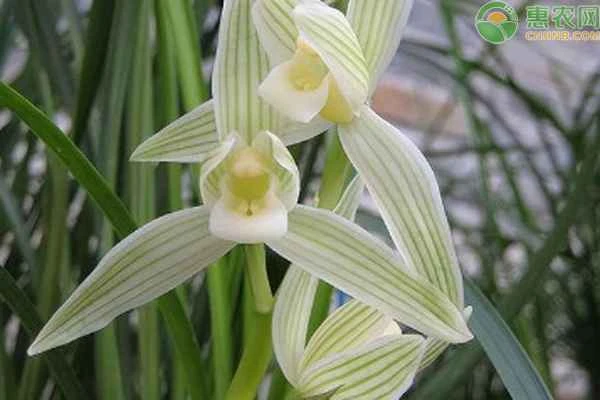
When removing the orchid from its pot, the main thing to do is to protect the orchid's roots, leaf buds, and flower buds from damage. Handle it carefully and cautiously. Before removing the orchid from its pot, control the watering and let the pot become slightly dry. This will make it easier to remove the orchid from its pot and will also reduce the risk of root breakage.
4. Pruning
After removing the orchid from its pot, trim any broken roots, and clean away any remaining potting mix, damaged leaves, and withered leaves. Any broken roots can be cut off. Rinse the roots thoroughly with clean water to remove any remaining material and debris. Also, clean away any dry, brittle leaves at the base of the leaves, as these can harbor pathogens.
5. Branches
When cleaning orchid plants, it is important to protect the leaf buds and flower buds. For orchids that need to be divided, the wounds should be sealed and sterilized after division to prevent pathogens from entering through the wounds and infecting the orchid, causing it to die. You can use a combination of fungicide and film, such as methyl thiophanate, to seal the wounds and sterilize them at the same time.
6. Disinfection
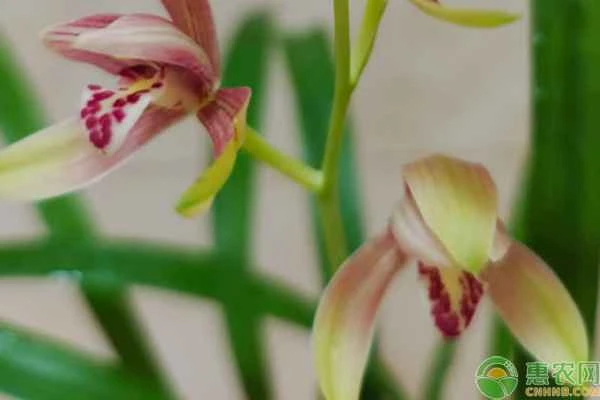
After removing orchids from their pots, any diseased orchids must be sterilized by soaking them in a diluted sterilization solution for 15-30 minutes. For orchids that have been divided and require wound treatment, disinfect the wounds before sealing them.
7. Potting
When placing orchids, ensure they are centered in the pot at a suitable depth. Do not bury the orchids too deep, nor expose too much of the potting mix.
8. Maintenance
Orchids require special care after repotting. Ensure they receive adequate sunlight, water, and nutrients. However, avoid overwatering or over-fertilizing to prevent damage. Regularly check their growth, promptly identify and address any problems.