Mature succulent plants generally refer to succulents that are older and have grown for a long time, having developed a woody main stem and lateral stems, making them highly ornamental. There are five key points to consider when cultivating mature succulent plants:
1. Selecting varieties
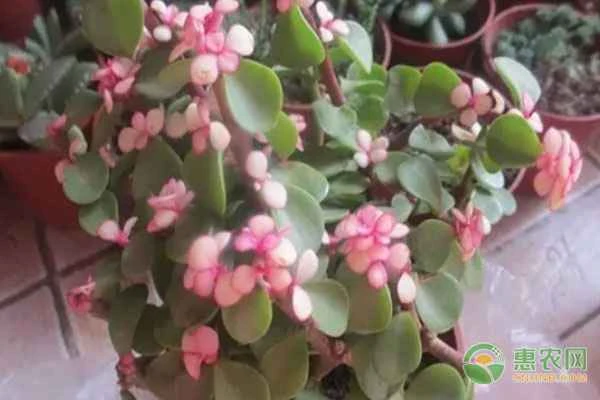
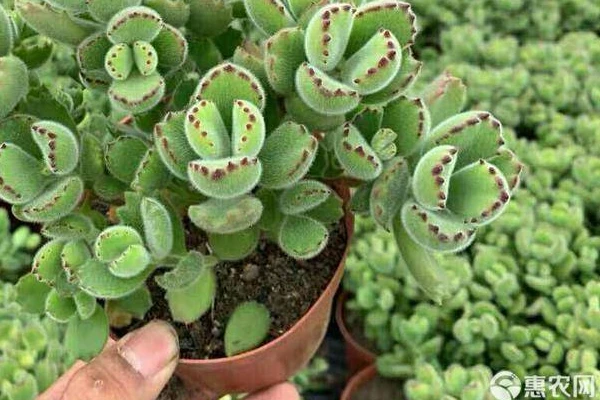
Some succulents with larger stems are easier to cultivate into mature, woody specimens, such as Aeonium, Echeveria 'Guanghan Palace', and Echeveria 'Fairy Cup'. These varieties have highly woody stems and are suitable for controlled cultivation. If the succulents are relatively short and creep in the pot in a rosette shape, such as Echeveria 'Guanyin Lotus' and Ebony, it is difficult to cultivate them into mature, woody specimens.
2. Select soil
To achieve a compact shape for succulents, increase the amount of granular material in the soil, using high-granular soil or even entirely granular soil. As the bottom leaves are gradually consumed, the stem grows longer and thicker, eventually becoming a mature, woody plant.
3. Light Management
Proper lighting not only enhances the color of succulents but also makes them more attractive, resulting in a beautiful overall appearance. Succulents thrive in bright, sunny conditions, producing plump leaves, elegant stems, and rapid lignification. If they grow too quickly or receive insufficient light, their leaves will spread out like a pancake, and their stems will become leggy, thin, and weak, making it difficult for them to develop into mature, woody specimens.
4. Control water usage promptly
To cultivate a mature, woody succulent, you need to control watering to suppress its rapid growth, resulting in a thicker, more robust stem. If you water too frequently, although it will grow quickly, it won't be thick enough. While it may have the shape of a stem, it will become a waterlogged plant, diminishing its ornamental value.
5. Apply fertilizer appropriately
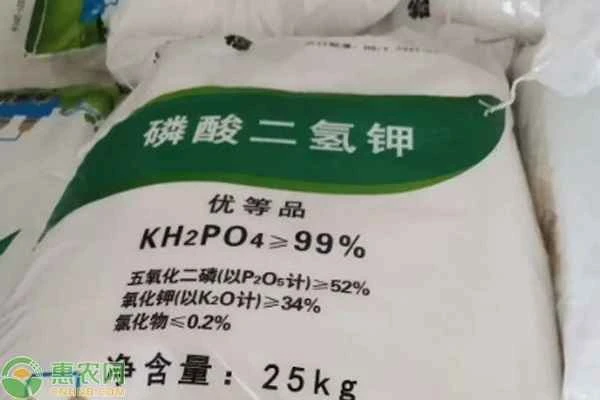
Fertilizer can be applied appropriately to mature succulents, but avoid using only nitrogen fertilizer, as this will cause the stems to grow too quickly. Instead, use phosphorus and potassium fertilizers. Potassium fertilizer primarily promotes strong roots and stems , abundant foliage, and also enhances disease resistance. However, flower buds should be pinched off promptly to prevent nutrient depletion.