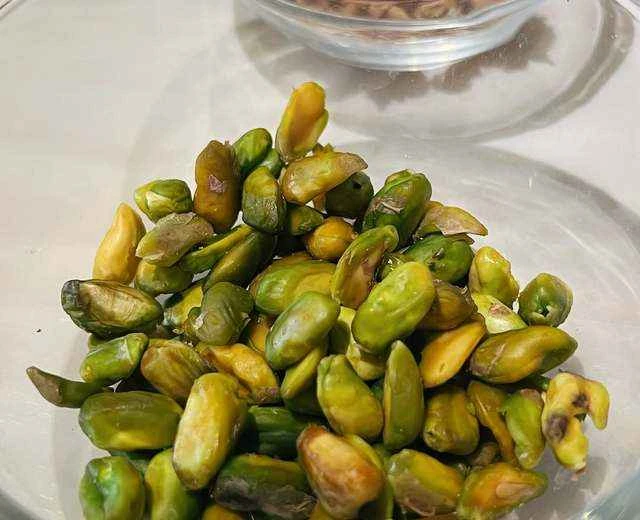
Kiwifruit has a sweet and sour taste and is rich in nutrients such as vitamin C, vitamin E, calcium, iron, and zinc. It is a very healthy fruit that many people enjoy eating and want to grow at home. So how do you plant kiwifruit seedlings ? Let's take a look.
1. Site Selection
Kiwifruit is highly adaptable and can be grown in both plains and mountainous areas. When establishing an orchard, choose a location with ample water supply, sheltered from the wind, sunny, and with loose, fertile soil rich in organic matter to promote root growth and development.
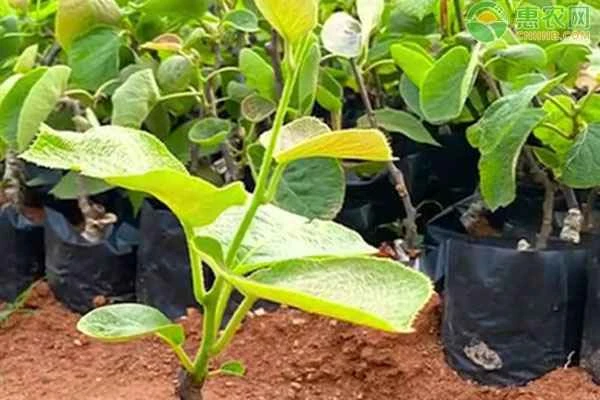
2. Planting time
Planting can be done from late autumn after leaf fall until early spring before bud break, with late autumn after leaf fall being the best time, as it is conducive to root recovery. Planting in early spring should not be later than the end of February.
3. Shelf type and density
Kiwifruit has a strong growth vigor and is suitable for cultivation using T-shaped trellises or pergola. The planting density should be 3-4 meters between plants and rows, which is 42-74 plants per mu (approximately 0.067 hectares).
4. Shaping and pruning
Pruning is a key technique for achieving a high-quality and abundant kiwifruit harvest. The ideal tree shape for kiwifruit is a single-trunk, double-main-vine system, while winter pruning combines thinning and shortening. Previous fruiting vines are pruned back for renewal, and diseased, dead, and weak branches are removed. Vigorous branches with a diameter of 1 cm or more are selected as fruiting vines, and these are shortened by 20%–60% depending on their growth, removing weaker parts.
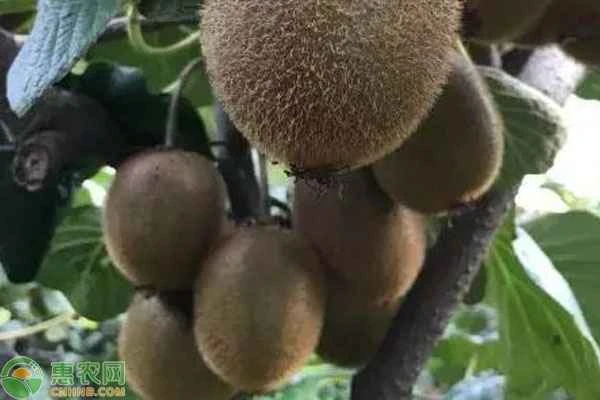
5. Pollination and fruit thinning
Kiwifruit is dioecious, requiring cross-pollination for fruit setting and normal development. A female-to-male ratio of 5-8:1 is ideal. To obtain high-quality, large fruit and a stable yield, fruit thinning is necessary. Thinning should ideally be done in the early stages of fruit set. The principles of thinning are: remove deformed, diseased, insect-infested, lateral-flowered, and small fruits; retain the main flower and large fruits.
6. Fertilizer and water management
Kiwifruit is a fruit tree that requires a high amount of fertilizer and water. Heavy application of base fertilizer, primarily consisting of farmyard manure and bio -organic fertilizer , is necessary, accounting for 70% of the total annual fertilizer application. Supplementing with fruit-strengthening fertilizer, mainly bio-organic fertilizer, accounts for 30% of the total annual fertilizer application. Base fertilizer should be applied deeply after fruit harvest. Fruit-strengthening fertilizer should be applied after flowering and fruit set.
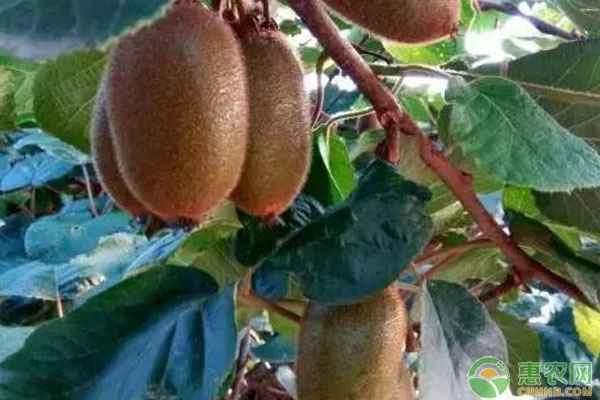
7. Fruit harvesting
When kiwifruit ripens, its appearance and color do not change significantly; the main indicator for harvesting is the content of soluble solids. Fruits with a soluble solids content of 70% or higher can be harvested, with 8%-12% being the optimal harvest time. Three to four days before harvest, a fungicide should be applied to the entire fruit to reduce rotting during storage and remove surface stains.