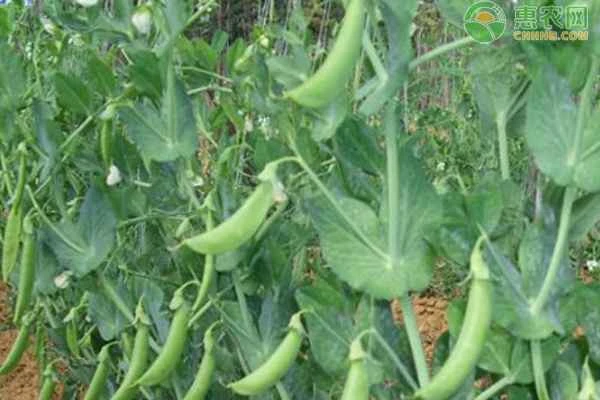
Green peas are annual or biennial herbaceous plants and are one of the most common vegetables in our lives. They are very nutritious and can be planted all year round. The sowing time can be flexibly determined according to the crop rotation and season. Below, we will talk about the cultivation techniques of green peas.
I. Characteristics of the Chinese Pea Plant
1. Peas are relatively cold-resistant, and the seeds can germinate at temperatures above 2℃-3℃, but the optimal germination temperature is 18℃-20℃.
2. The optimal temperature for seedling growth is 12℃-16℃, and it can withstand low temperatures of -4℃ to -5℃.
3. The optimal temperature for flowering is 15℃-18℃. Flowering decreases below 5℃, and fertilization rate is low and seed count decreases in hot and dry weather above 20℃.
4. The optimal temperature for pod formation is 18℃-20℃. Above 25℃, plant growth weakens, and above 28℃, flower and pod drop is severe.
5. Pea flower bud differentiation requires low temperature conditions. Winter varieties need a low temperature of 0℃-5℃, while spring varieties can be grown at temperatures above 15℃.
II. Pea Cultivation Techniques
1. Choosing a plot of land: Peas prefer a sunny environment, so choose a plot of land that is high up, well-drained, and has fertile soil for planting.
2. Sowing time: Choose a suitable sowing time according to local climate conditions. Generally speaking, spring sowing is from February to March, and autumn sowing is from September to October.
3. Sowing method: Sow seeds on the prepared soil according to the row and plant spacing. The sowing depth is about 3-5 cm, sow 2-3 seeds per hole, then cover with soil and compact lightly.
4. Fertilization Management: During the pea growth process, apply appropriate amounts of organic and chemical fertilizers to promote plant growth. Especially during the pod-setting stage, it is essential to ensure a sufficient supply of nutrients .
5. Irrigation: During the pea growing season, the soil should be kept moist, but avoid overwatering which can lead to root diseases. During the flowering and pod-setting stages, reduce watering appropriately to prevent flower rot and pod drop.
6. Pest and disease control: Observe the plant's growth status carefully and promptly identify and control pests and diseases. Common diseases include powdery mildew and downy mildew, which can be controlled with appropriate pesticides .
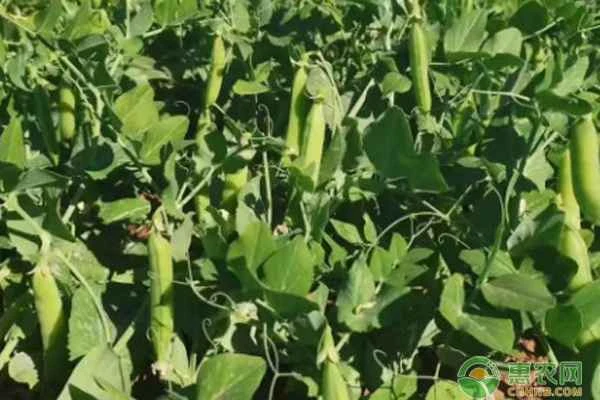
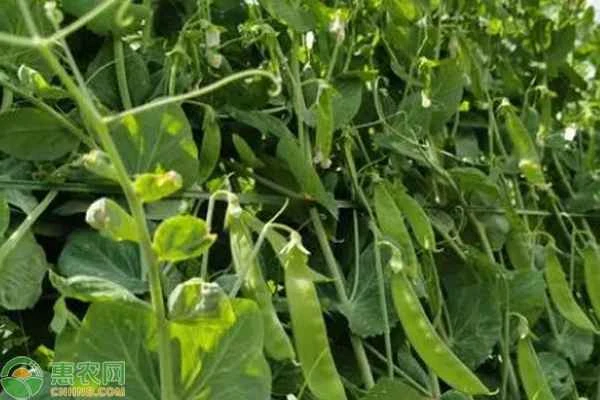
7. Erecting supports: Peas are climbing plants, so supports need to be erected during their growth so that the plants can climb.
8. Harvesting: When peas are ripe, the pods turn yellow and the peas are plump. When harvesting, gently cut off the pods to avoid damaging the plant.