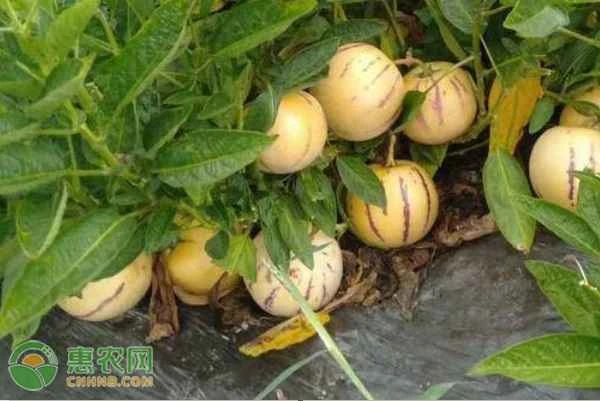
Kirin watermelon is a new variety of watermelon . Compared to ordinary watermelons, it not only comes to market earlier but also tastes sweeter, leading many to believe it is a genetically modified fruit . Is this true? Let's take a look.
Is Kirin melon a genetically modified fruit?
Kirin watermelon is not a genetically modified fruit, but a new hybrid variety. It is an early-maturing, striped, yellow-fleshed watermelon variety obtained by crossing WR06-11 and WR11-1.
What are the characteristics of Kirin melon?
1. Variety characteristics
Kirin melons are favored by many growers due to their high yield, good taste, short growth cycle, and quick and high economic benefits. Currently, Kirin melon cultivation is widespread in Hainan Province and Wenzhou region of Zhejiang Province in my country.
2. External Features
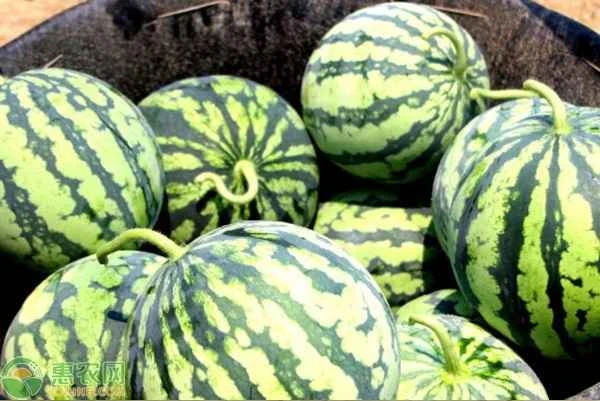
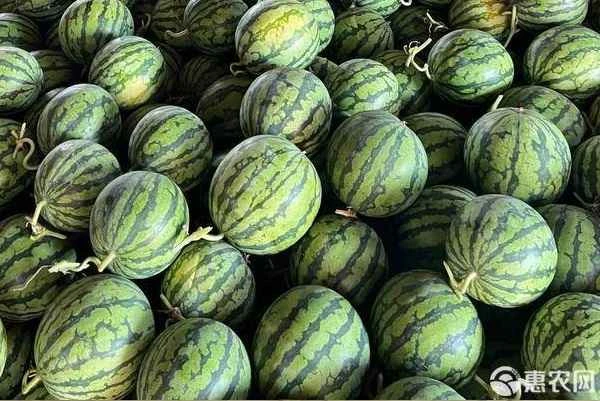
The Kirin melon has an oblong shape with clear green stripes, the plant grows vigorously, and the peel is 0.4-0.5 cm thick.
3. Taste characteristics
The Kirin melon has a bright red flesh that is crisp and tender, with a sugar content of over 12.5 in the center. The flesh is crisp, delicate, and free of residue, and is very sweet and juicy, making it perfect for summer consumption.
4. Habits and characteristics
Kirin melons have very high requirements for their growing environment, soil, and sunlight. They have a well-developed root system, but a relatively small root group, making them drought-tolerant but not waterlogged-tolerant; therefore, proper drainage is essential during planting. Although growing Kirin melons can be challenging, their short growth cycle—from planting to flowering and from flowering to harvesting—takes only about 60 days, making them a very profitable crop.
5. Key Points of Planting
Before sowing, germinate the seeds, then evenly scatter the treated seeds on seedling trays or seedbeds, cover with a thin layer of soil, maintain suitable temperature and humidity, and water and ventilate regularly to promote seed germination and seedling growth. Once the seedlings have three leaves, they can be transplanted. Approximately 300 seedlings can be planted per acre.