Choosing the right wheat variety is key to achieving high yields when planting wheat . So, how good is the TaiMai 198 wheat variety? A detailed introduction follows:
1. Approval Number
Lu Shenmai 20160056.
2. Breeding units
Taimai 198 is a wheat variety bred by Jiuhe Crop Research Institute in Taishan District, Tai'an City, Shandong Province.
3. Variety Origin
It was bred from a cross between Liangxing 619 and Shannong 2149.
4. Variety characteristics
Winter nature.
5. Appearance Features
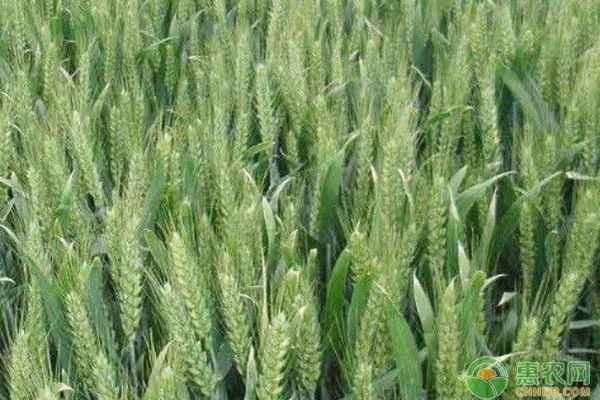
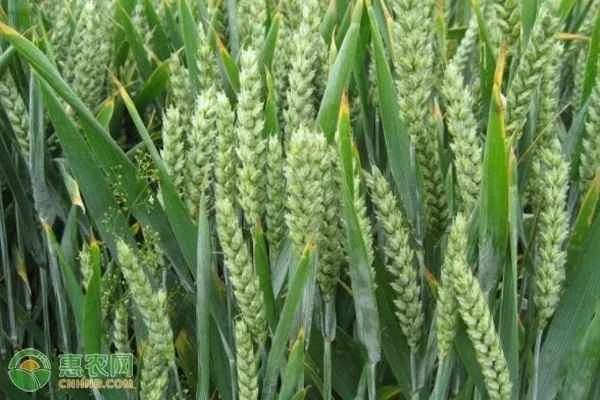
The seedlings are semi-erect with a semi-compact plant shape, dark green leaves, and upright leaves. The ears are rectangular with 36.5 grains per ear, a thousand-grain weight of 43.6 grams, and a test weight of 786.8 g/L. They have long awns, white husks, and white grains, which are hard.
6. Main Features
Taimai 198 is characterized by strong drought resistance, good disease resistance, high yield, and excellent quality. Moreover, compared to other wheat varieties, Taimai 198 matures earlier, resulting in a shorter growing season of 233 days, 5 days less than Jimai 22. Furthermore, this variety is relatively easy to cultivate, highly adaptable, and has stable yields, making it an important wheat variety in northern regions.
7. Disease resistance
It is highly resistant to leaf rust, and moderately resistant to Fusarium head blight, powdery mildew, and sheath blight.
8. Production Performance
In the 2022 regional trials of high-fertility wheat varieties in Shandong Province, the average yield was 599.9 kg/mu, which was 5.4% higher than that of the control variety Jimai 22.
9. Suitable planting area
Taimai 198 wheat is suitable for planting in fertile and well-irrigated plots in Shandong Province, China.
10. Key Points of Planting
TaiMai 198 thrives in loose, well-drained soil. Adding an appropriate amount of base fertilizer to the soil before planting is beneficial for plant growth and development. During the growing season, it requires sufficient water and nutrients to keep the soil moist and fertile, promoting vigorous plant growth.