Tomatoes are a very common vegetable , frequently appearing on the tables of many families. They can be eaten raw in salads, stir-fried, or stewed, each with its own unique flavor. Tomatoes are grown in both northern and southern China. So, what are the methods for cultivating tomatoes?
1. Variety selection
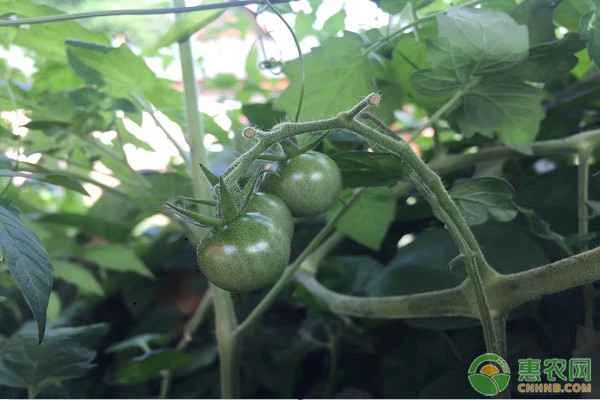
First and foremost, you must choose a tomato variety suitable for local cultivation. There are many types of tomatoes, some primarily for practical use and others primarily for stir-frying.
2. Seed treatment
Choose appropriate disinfection methods based on the common diseases in the local area. There are two main types of commonly used methods.
① Soaking seeds in warm water: Place the seeds in 55℃ warm water and soak them for about 15 minutes. This treatment can effectively prevent diseases such as canker and leaf mold.
② Soaking seeds with trisodium phosphate: First, soak the seeds in room temperature water for 3-4 hours. Then, add an appropriate amount of trisodium phosphate solution to the water and continue soaking for about 20 minutes (concentration of 10%). Finally, take out the seeds and rinse them. This treatment can effectively prevent viral diseases.
After disinfection, soak the seeds for 6-8 hours, then rinse them and place them in a 25℃ environment to germinate, maintaining suitable temperature and humidity. Sow the seeds once more than 70% have sprouted white hairs. For summer and autumn seedling cultivation, the disinfected seeds can be used directly for sowing.
3. Seedling management
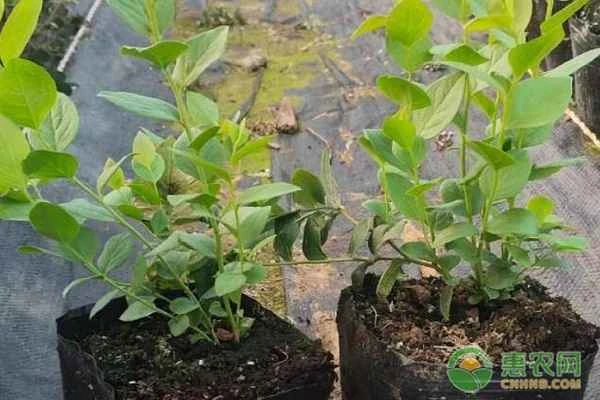
After the two cotyledons of the seedlings have fully unfolded, transplant them into seedling pots. The soil for the seedling pots is a mixture of sifted organic soil and well-rotted manure in a 7:3 ratio, with appropriate additions of diammonium phosphate, wood ash, and carbendazim.
4. Selection of plastic film
For spring planting, it is recommended to use silver and black double-sided mulch film. When using it, the silver side should face up and the black side should face down, which helps to reflect sunlight.
5. Temperature control
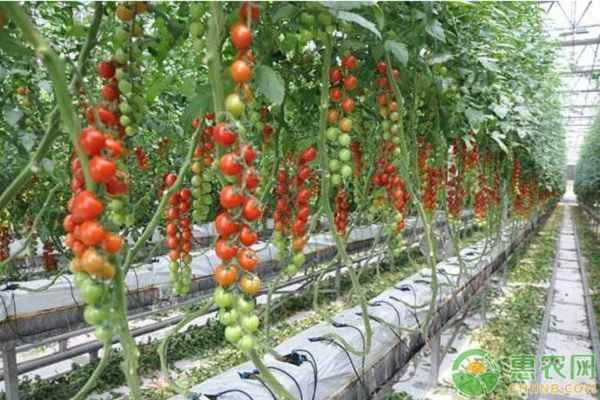
Generally, tomatoes can grow in temperatures ranging from 15 to 35 degrees Celsius, with the optimal temperature for their growth period being 20 to 30 degrees Celsius. The optimal soil temperature for tomato growth is 20 to 23 degrees Celsius, and root growth ceases when the soil temperature drops to 6 degrees Celsius.
Seedling stage: The optimal temperature is 20-25℃ during the day and 10-15℃ at night. Temperatures that are too high or too low during the seedling stage can easily lead to weak seedling growth, poor flower bud differentiation and development, and reduced flower quality, which can easily cause flower and fruit drop during the flowering and fruiting period.
Flowering period: Sensitive to temperature, with the optimal daytime temperature being 20-30℃ and the nighttime temperature being 15-20℃. When low temperatures or temperatures above 30℃ occur during the flowering period, pollen germination and pollen tube elongation are poor, resulting in poor fertilization and easy flower and fruit drop.
During the fruiting period, the optimal temperature is 24-26℃ during the day and 12-17℃ at night.
Fruit coloring period: The optimal temperature is 20~25℃, and coloring is poor above 30℃.
6. Shaping and pruning
Tomatoes are vigorous growers, with axillary buds sprouting from each node of the stem. Each axillary bud can develop into a branch, flower, and bear fruit. If left to grow unchecked, this results in excessive foliage, a disordered plant shape, and excessive nutrient consumption, leading to flower and fruit drop, smaller fruit size, and reduced yield and quality. Therefore, during the tomato's growth process, continuous pruning, thinning, and leaf removal are necessary to regulate its growth.
7. Pest and disease control
Common diseases affecting tomatoes include early blight, late blight, downy mildew, gray mold, leaf mold, bacterial spot, viral diseases, and root-knot nematodes. Major pests include American serpentine leafminer, whitefly, aphids, and bollworms. Timely application of pesticides, prevention as the primary focus, and integrated pest management are crucial.