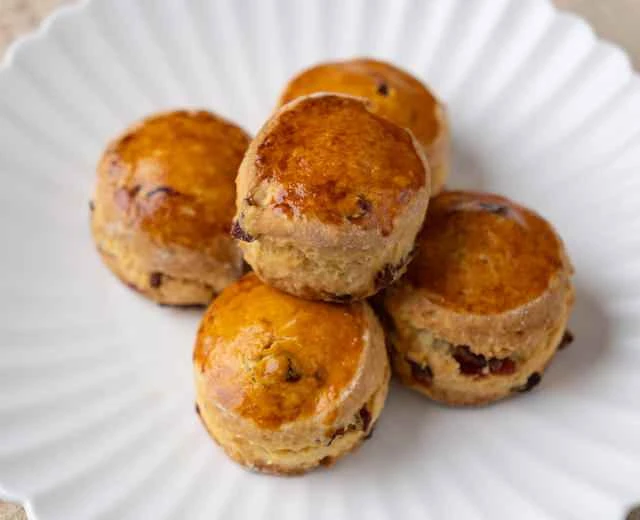
Scones, a traditional British pastry, have a texture somewhere between bread and cookies—crispy on the outside and soft on the inside. Not only are scones delicious, but they're also incredibly easy to make; even beginners can make them at home. No wonder they've become so popular, spreading from England all the way to China. At first glance, the ingredients for scones seem similar to muffins, but their moisture content differs. Muffins, as cakes, have a higher water content and more eggs; scones, being a crispy-on-the-outside, soft-on-the-inside pastry, require a lower water content to achieve the desired crispness. Assuming a 100% flour-to-baking ratio, a 25% butter, 25% milk, 25% eggs, and 16% sugar will produce a perfectly soft and pliable dough—not too sweet or too oily, making it guilt-free to eat as bread. The fluffy texture of scones comes partly from the incorporated air and partly from the baking powder. Some might ask, can you omit the baking powder or use yeast instead? First, we need to clarify the positioning of scones. As mentioned earlier, they are a quick-to-make dessert somewhere between bread and cookies. Without baking powder, their fluffiness will be greatly reduced; while using yeast instead would lose their quick-to-make characteristic. Therefore, it is essential to use baking powder when making scones. After determining the proportions of the main ingredients, we can pursue variations in flavor, such as adding dried cranberries, candied orange peel, chocolate, chopped nuts, etc. For those who prefer savory flavors, cheese slices, ham, pork floss, scallions, etc. In short, scone dough is very versatile; practically "anything can be made into a scone." Because the ingredients are simple, the production process is also not complicated. Initially, a sandy kneading method similar to that used for making shortbread is employed. The main purpose is to thoroughly mix the flour and butter into fine particles, thus preventing the flour from combining with water to form gluten, resulting in a softer texture for the scones. Another technique is the folding method, somewhat similar to the method used for Chinese peach shortbread, which adds layers to the scones. However, because scones don't have a high butter content, no matter how skilled you are at layering, you can't achieve the layered texture of puff pastry, which isn't the characteristic that scones are meant to have. Maintaining a low temperature during the making process is key; you can use air conditioning and wear gloves to avoid the butter completely melting, otherwise the crispness will be compromised. In short, scones are a simple dessert with easy-to-make ingredients, not easy to fail at, and even if you do fail, they won't taste too bad.
Materials
Easy and quick scones | Two flavors, any recipe you can make
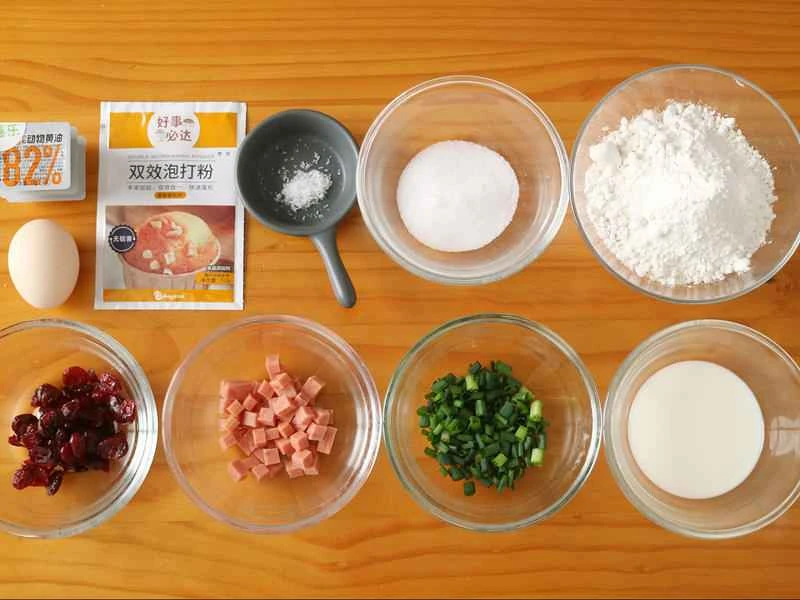
[Environment] Room temperature 26 degrees Celsius, humidity 56% [Mold] 4.5cm diameter metal ring [Quantity] Approximately 12 pieces per flavor [Storage] Store at room temperature for 3 days, freeze for 1 month
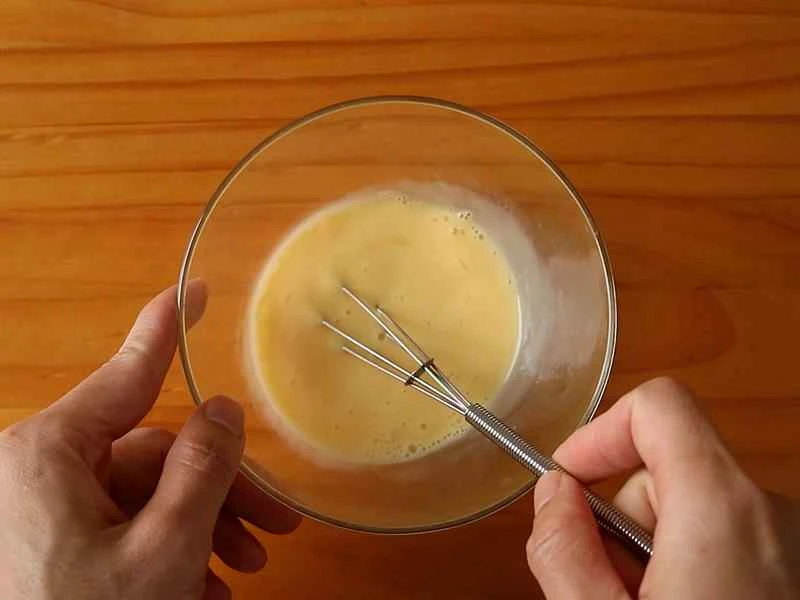
We'll make cranberry scones first. Freeze the butter for 30 minutes to prevent it from melting during handling. Mix the milk and egg liquid well and refrigerate; this step also helps cool the dough.
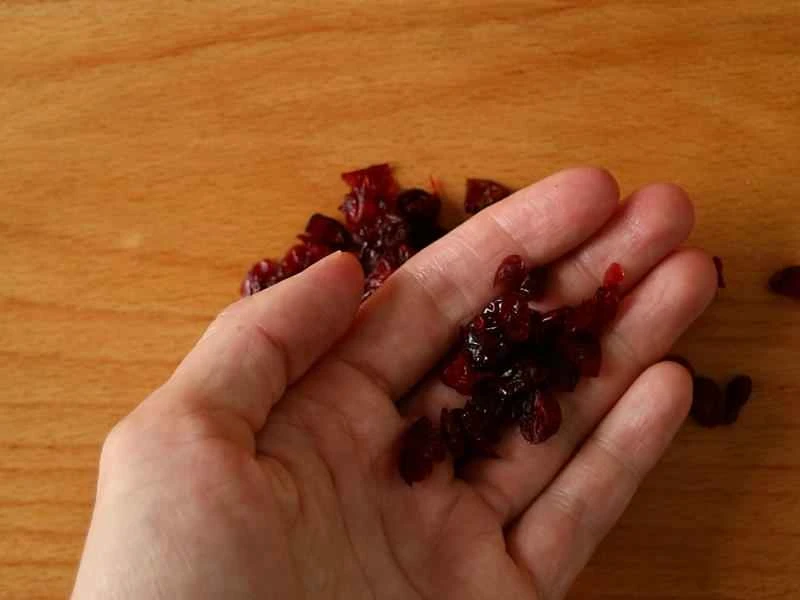
Chop the dried cranberries into smaller pieces with a knife so they can be distributed more evenly.
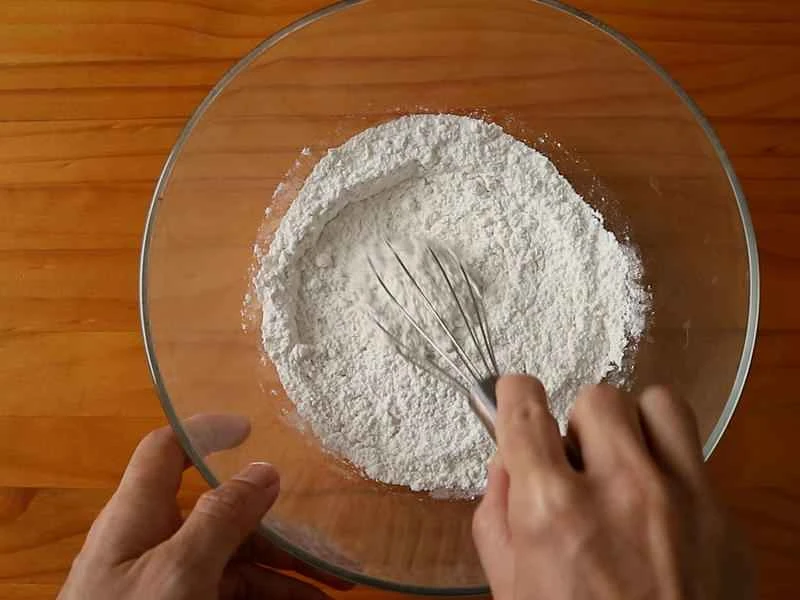
Add cake flour, granulated sugar, salt, and baking powder to a mixing bowl and mix well with a whisk.
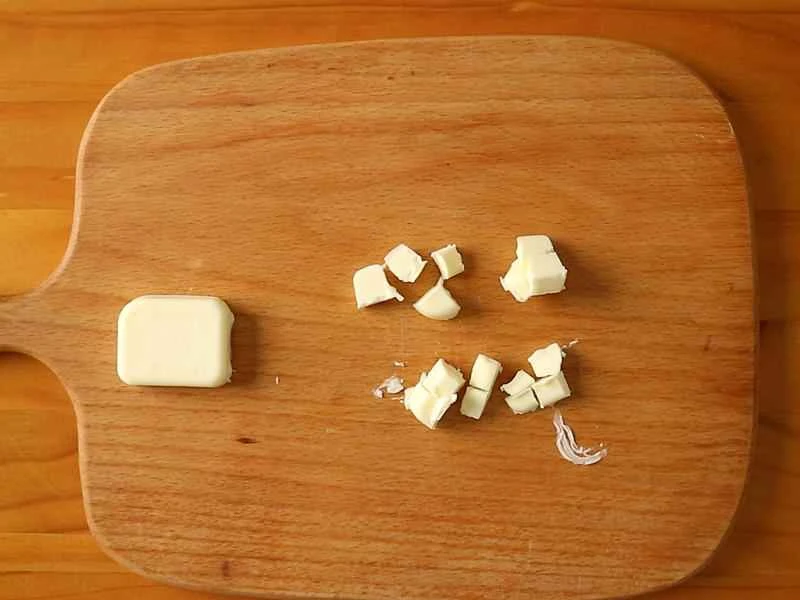
Cut the butter into small pieces.

Add the butter and flour mixture to the dry ingredients and rub it between your hands until it forms small crumbs.
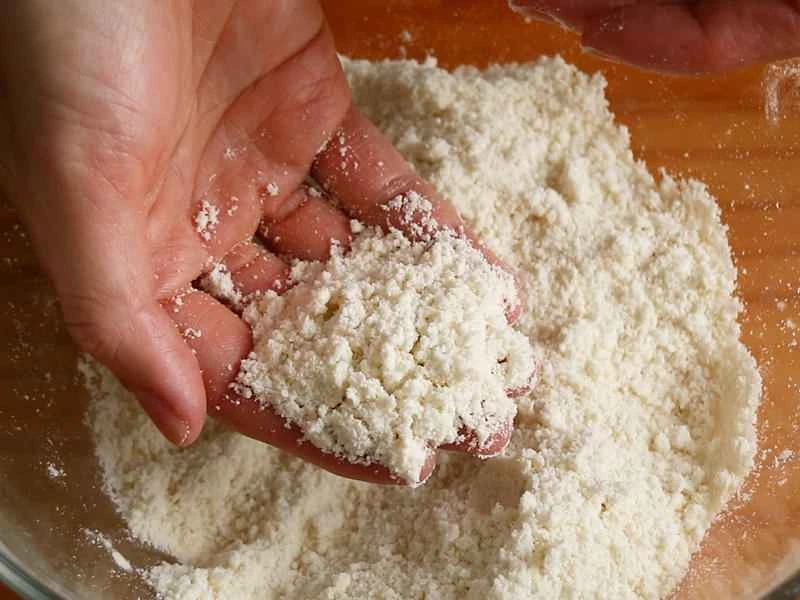
If you're making a large batch, you can use a meat grinder instead of hand-grinding. If you're making a small batch, it's not recommended, as the machine might not be cleaned properly after you've finished hand-grinding.
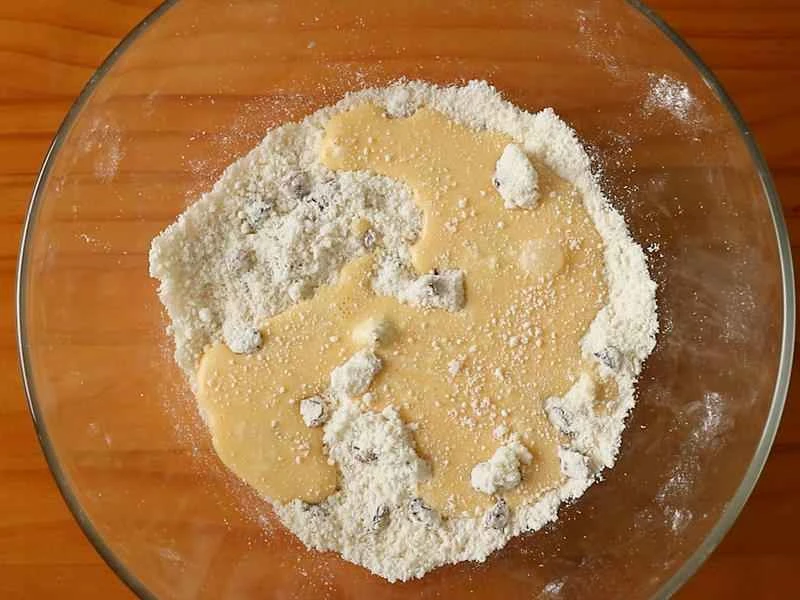
Add the chopped dried cranberries to the flour and butter mixture and stir gently until combined. Then add the chilled milk and egg mixture from earlier.
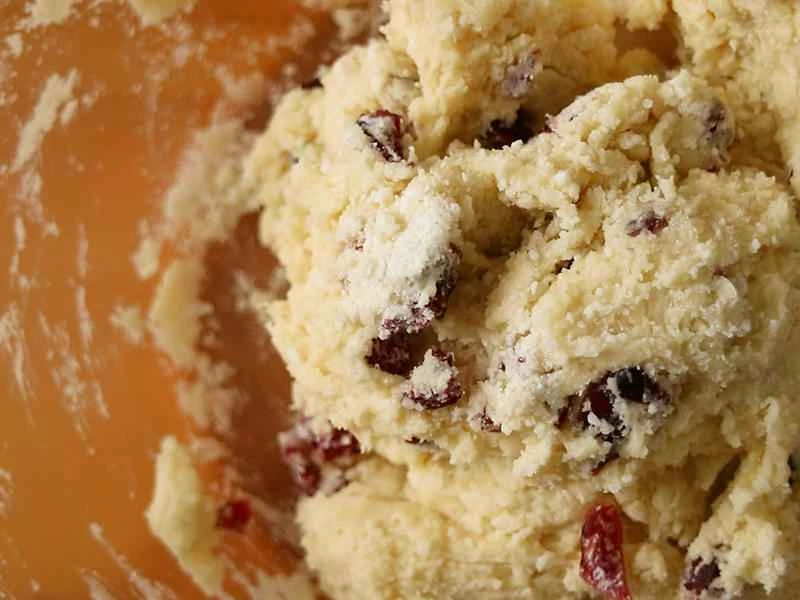
Use a spatula to stir until it clumps together; do not overmix. Some dry powder is fine, as it will be folded several times later.
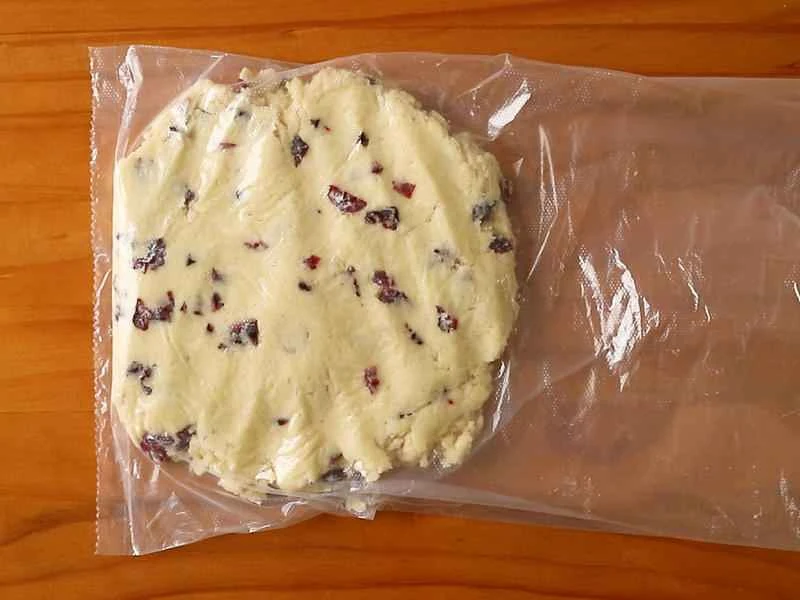
Flatten the dough slightly in a plastic bag and freeze for 30 minutes. This will allow the dough to cool down sufficiently, preventing the butter from melting during folding later.
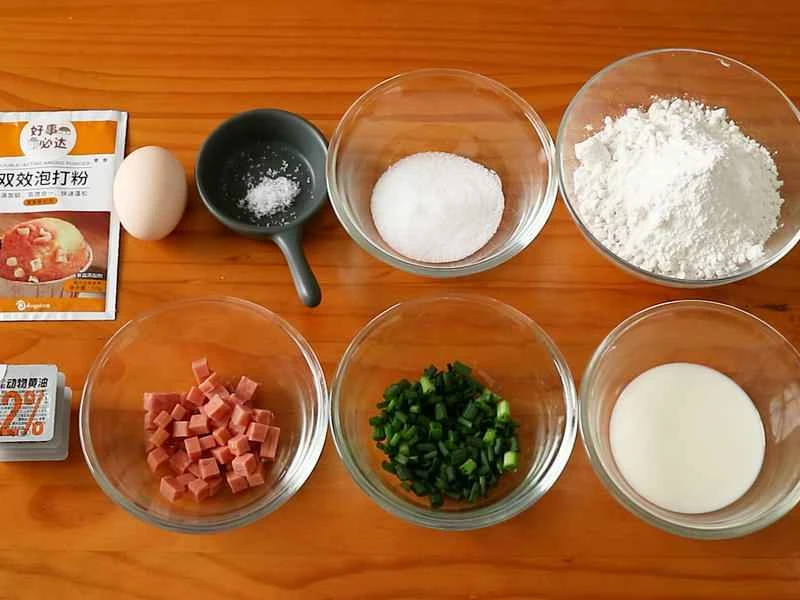
Next, make scallion and ham scones. The dough preparation process is basically the same, only the amount of sugar and salt added is slightly adjusted to achieve the desired savory flavor, and the dried cranberries are replaced with chopped scallions and diced ham. These are just two common flavors listed here; you can add 2-3 ingredients to the original flavor to develop more variations.

After freezing, preheat the oven to 210 degrees Celsius. Sprinkle some flour on the work surface, remove the dough, then sprinkle some more flour on the surface of the dough. Press the dough into a thin round shape with your palm. Use a scraper to cut it horizontally and vertically into four equal pieces.

Then stack the four pieces of dough together and press them into a thinner round shape.
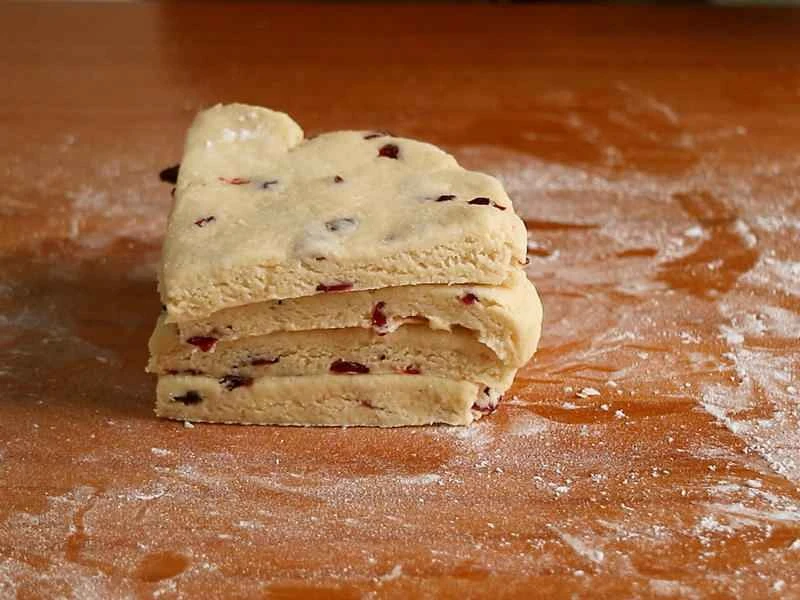
Repeat the layering of dough three times to create more layers in the scones. This layering technique is used in making both Western-style shortbread dough and Chinese-style peach shortbread dough.
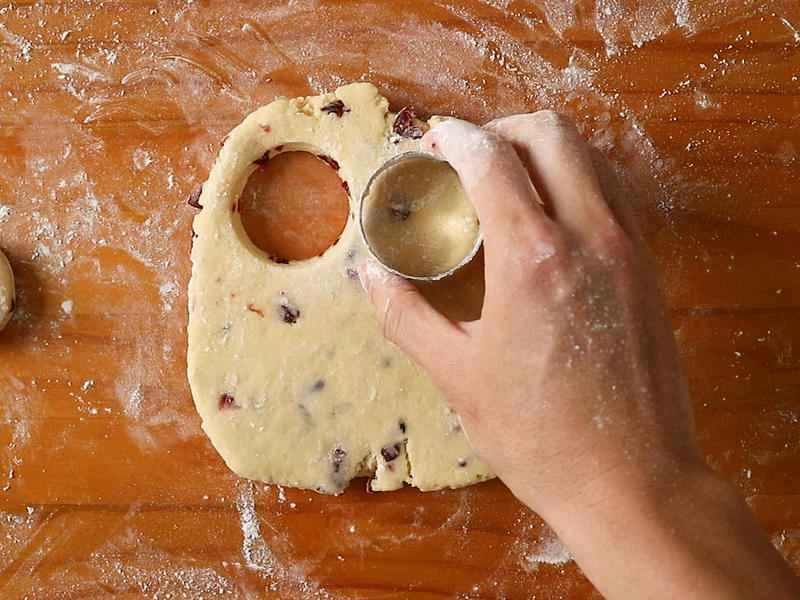
Roll out the dough with a rolling pin to a thickness of about 1.5cm. Use a 4.5cm diameter metal ring to press out round dough pieces, coating the inside with some dry flour before pressing to prevent sticking. If you don't have a mold, simply cut it into small pieces with a knife.
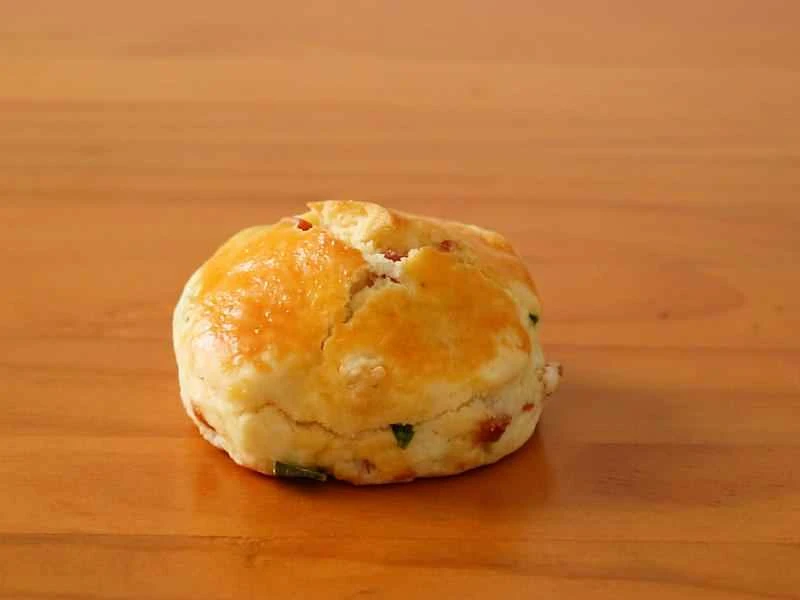
Be careful to control the area and thickness of the dough, otherwise the top will crack during baking. Although it will not affect the taste, it will affect the appearance.

The remaining scraps are kneaded into a ball, rolled out thinly, and pressed into shape.
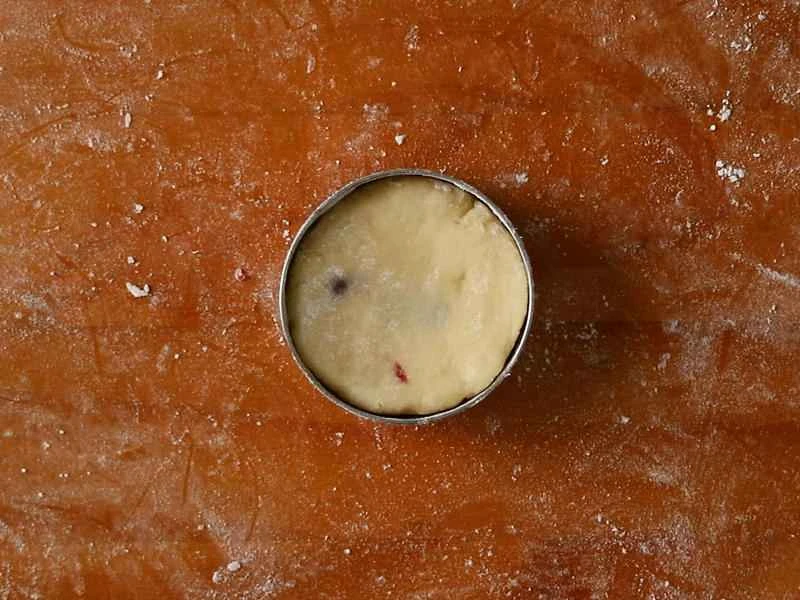
Continue until only a little dough remains, then round it, place it in a metal ring, and press it thin.
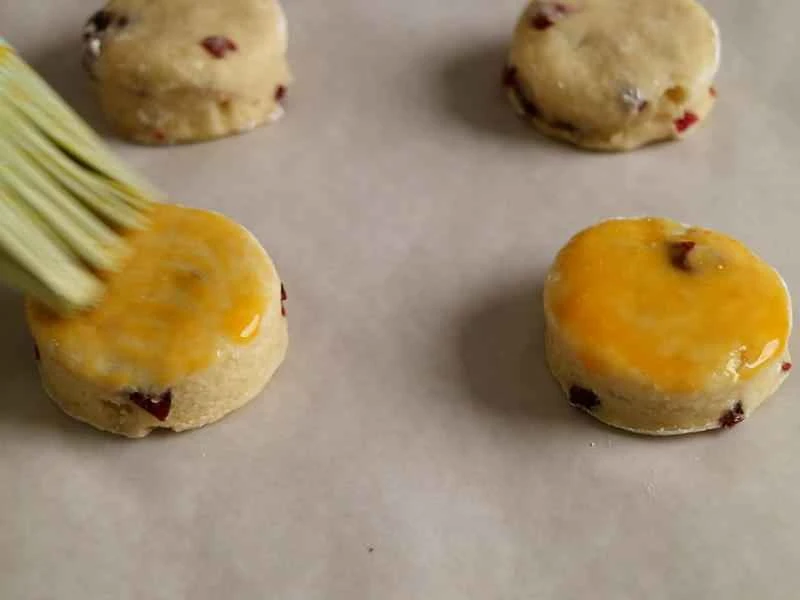
Place the scones in a baking pan, leaving some space between them. Brush each scone with egg yolk, only brushing the tops.
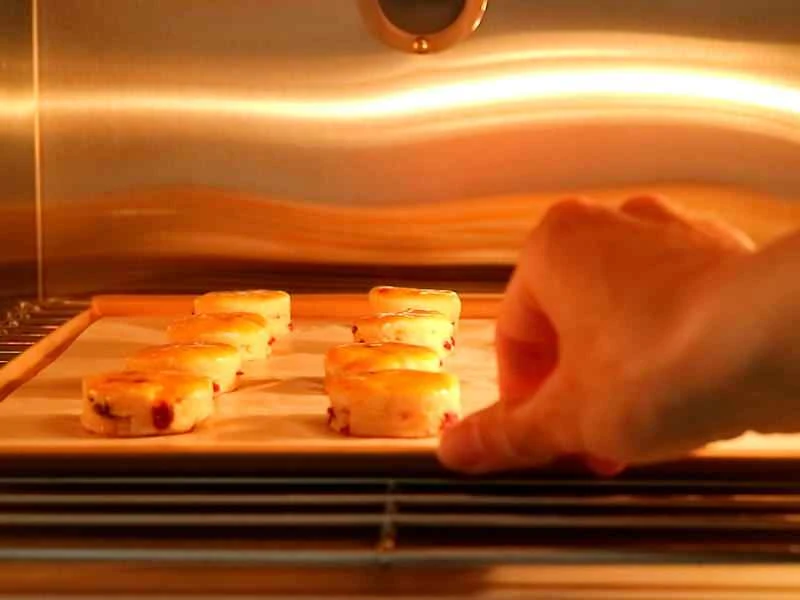
Place in the lower rack of the oven, adjust the top heat to 190 degrees Celsius and the bottom heat to 180 degrees Celsius, and bake for 20 minutes. Adjust the time according to the temperature difference of your oven.

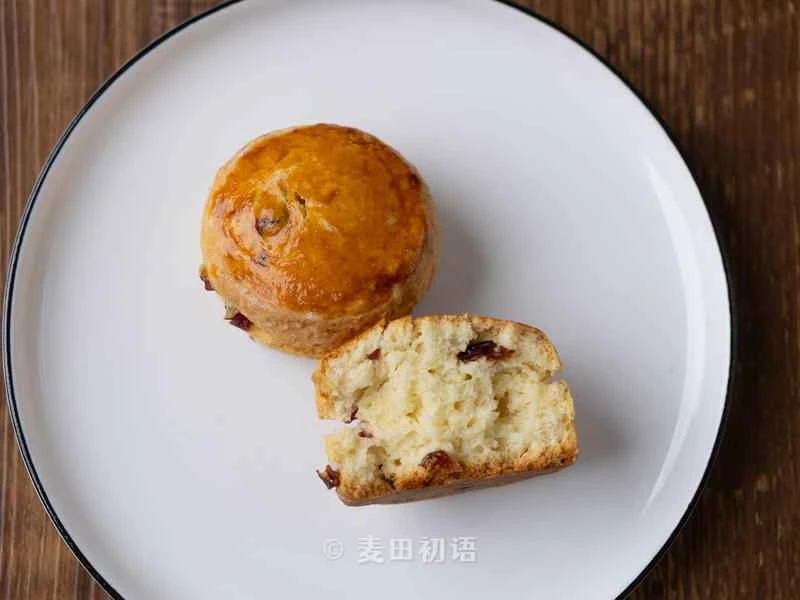
Bake until the scones are golden brown, then remove them from the oven and let them cool on a wire rack.

Freshly baked scones are crispy on the outside and soft on the inside, combining the textures of cookies and bread. They are perfect for breakfast or afternoon tea, and paired with a cup of Earl Grey tea, they offer a truly British experience.
Finally, I've spent a lot of time and effort writing this detailed tutorial, so I'd like to ask you for a small favor: please bookmark it, submit your work, and follow me. Thank you so much for your support; I will continue to write even better tutorials in return.
Easy and quick scones | Two flavors, easy tips for everyone
Frequently Asked Questions (FAQs) 1. Scones don't have enough layers. A: Scones aren't like puff pastry that requires a lot of layers. As long as they have a certain volume and are crisp on the outside and fluffy and soft on the inside, they're successful. 2. Scones have obvious cracks on the surface. Possible causes: 1. Food particles on the dough surface will cause cracks; 2. The dough is too large after cutting. Solutions: 1. Make the dough surface as smooth as possible, free of food particles; 2. Avoid making the dough too large or too thick. 3. Scones have a too dense internal structure. Possible causes: 1. Uneven mixing of ingredients; 2. Ineffective baking powder. Solutions: 1. Distribute the ingredients evenly by mixing and stacking; 2. Replace the baking powder.