Many people enjoy growing potted plants at home, and those who love gardening are generally familiar with carbendazim, a broad-spectrum fungicide that can prevent plant diseases and pests. But what can be used as a substitute for carbendazim? Let's find out below.
1. Wood ash
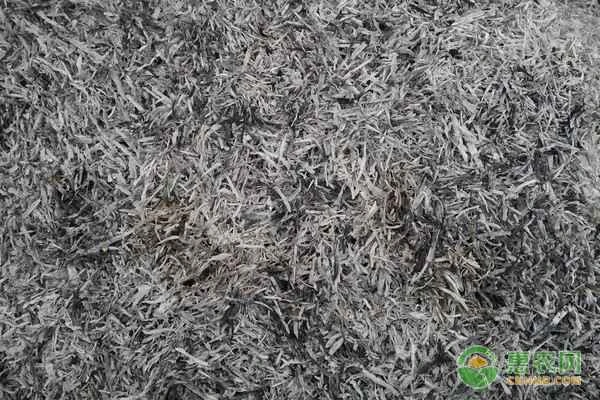
Wood ash is very common. After burning wood and cooking in a large pot, the remaining ash is not only an excellent fertilizer but also a fungicide. Sprinkling some wood ash in flower pots can prevent root infections and supplement potassium fertilizer.
2. Potassium permanganate
Potassium permanganate is a commonly used fungicide. It has very strong oxidizing properties and can kill fungi and bacteria. It can be used by both humans and plants.
3. Gentian Violet
Gentian violet is well-known for its healing properties for external wounds. Besides its effectiveness on human skin, it can also accelerate the healing of plant wounds. If a plant develops heart rot, a few drops can be applied to kill bacteria and pests.
4. Amoxicillin
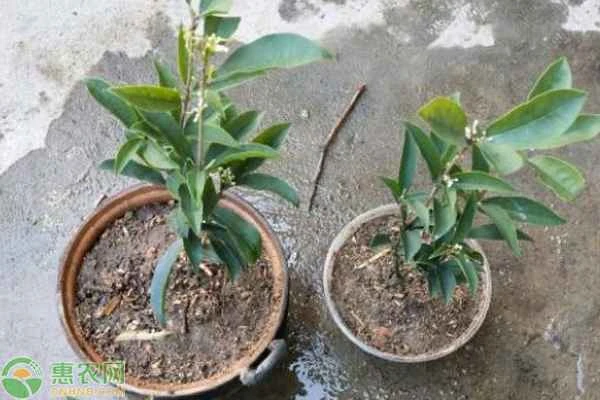
Amoxicillin is a common anti-inflammatory drug that is very effective in growing flowers. For example, if plants have stem or root rot, and you don't have fungicides like carbendazim at home, you can sprinkle amoxicillin powder on the cuts to prevent bacterial infection and eliminate stem rot.
5. Metronidazole tablets
Metronidazole is also a common anti-inflammatory drug. When keeping many hydroponic plants at home, it's easy for the roots and stems to turn black and rot, sometimes leading to water quality deterioration and a foul odor. If you have metronidazole tablets at home, this problem can be solved. Soaking the plants in a metronidazole solution can also have a bactericidal and anti-inflammatory effect.
6. Aspirin
Aspirin tablets contain salicylic acid, a biological regulator. Aspirin can also be used to promote the growth of plant roots, increase the resistance of flowers, and thus promote the growth of flowers.