Late-season green beans , also known as autumn green beans, are green beans that are typically planted in summer and harvested in autumn. Compared to spring green beans, their biggest advantage is that they germinate very easily, which is why many people prefer to grow them. So, when should late-season green beans be planted? Let's find out below.
In which month should late-season green beans be planted?
The planting time for late-season green beans is usually between August and September, but the specific time depends on factors such as the climate conditions of the production area. For example, in northern regions, it can be done slightly earlier. Planting too early or too late will affect the yield and quality of late-season green beans.
What varieties of late-season green beans are best to plant?
1. Autumn Cowrie 512
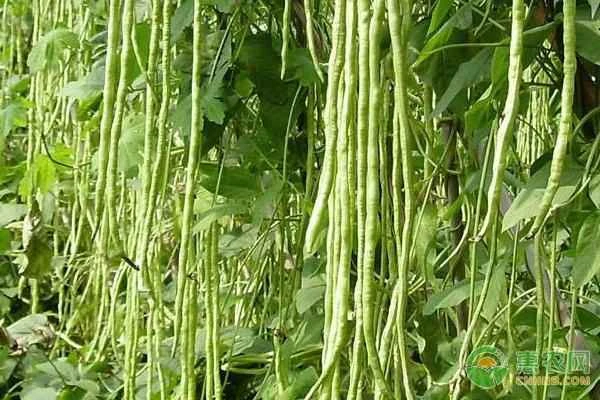
This variety is specifically for autumn planting. It is a vining, compact, and vigorous plant. It is sensitive to short days, and pods will form at around 18℃ in autumn. It is disease-resistant and has a long flowering period. Furthermore, the flesh is thick, soft, and of excellent quality. The yield is approximately 1800 kg per mu (approximately 0.16 acres).
2. High-yield No. 4
High-Yield No. 4 is an early-maturing, high-yielding, and excellent green bean variety developed by Shantou Seed Company over many years. This variety is an early-maturing variety, taking about 35 days from summer sowing to first harvest. It is characterized by high yield, high quality, heat resistance, and disease resistance, and is suitable for planting throughout China and Southeast Asia.
3. Longcui 801 Green Beans
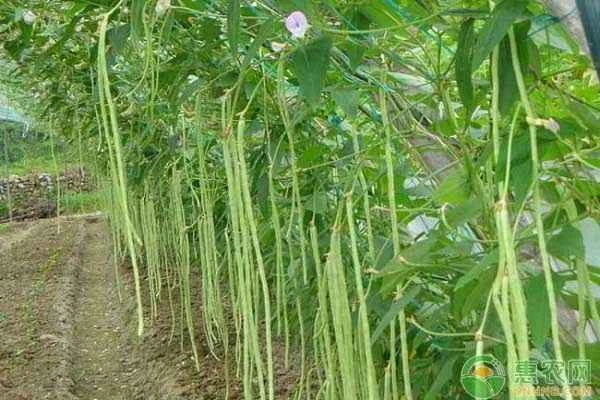
Longcui 801 green beans are a mid-early maturing variety, suitable for cultivation in spring, summer, and autumn, making them an ideal choice for growers. The optimal cultivation temperature is 16-30℃. Summer-sown beans can be harvested in about 40 days, and they are high-yielding, disease-resistant, vigorous, low in fiber, and of excellent quality.
4. Long Cow No. 3
Changjiang No. 3 is an excellent variety bred by the Changsha Vegetable Research Institute in Hunan Province. This variety is not demanding in terms of sunlight and soil, is heat-resistant, fertilizer-resistant, and suitable for storage and transportation. It has wide adaptability and can be cultivated in spring, summer, and autumn, but is especially suitable for summer and autumn cultivation. The average yield can reach about 2600 kg per mu.