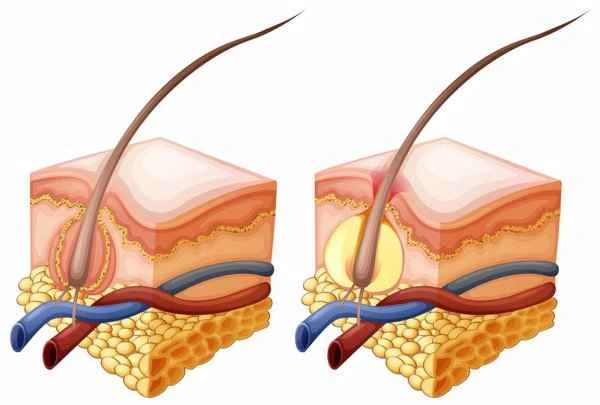
Male pattern baldness, also known as androgenetic alopecia, is a common phenomenon of thinning hair, primarily diagnosed by observing hair distribution and patterns of hair loss. This type of hair loss is usually related to genetic factors and hormone levels, and male patients typically experience noticeable bald patches on the crown and forehead.

The importance of identifying male pattern baldness lies in the fact that it not only concerns appearance but may also reflect underlying health problems. Early identification allows for appropriate treatment, slowing the progression of hair loss and even reversing it, thereby improving the patient's quality of life. Early diagnosis also helps rule out other possible health issues, such as thyroid disease.
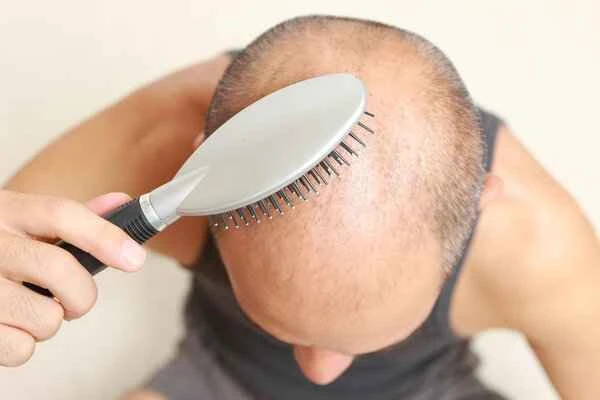
To diagnose male pattern baldness, the first step is to observe the distribution of hair. Male pattern baldness typically manifests as gradually thinning and thinning hair, especially on the crown and forehead. The shape and location of the bald patches also follow certain patterns; for example, hair loss on the crown may present as a horseshoe shape, while hair loss at the forehead manifests as a receding hairline. Family history and individual hormone levels can also aid in diagnosis. Doctors may recommend blood tests to assess hormone levels, such as androgen levels, and thyroid function.
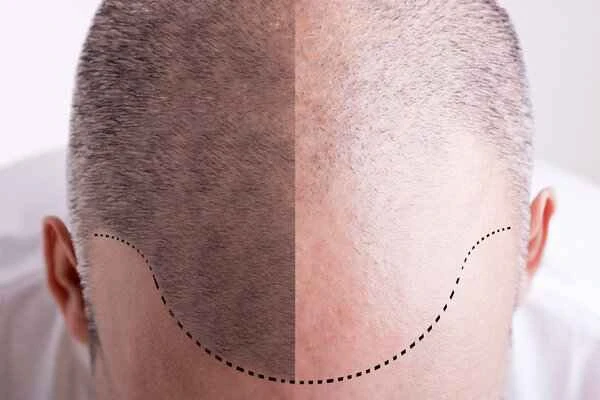
After receiving your test results, it's important to interpret this information objectively. The severity of hair loss doesn't always directly correlate with the seriousness of a health problem. Any treatment plan should be undertaken under the guidance of a professional physician, as individual differences can lead to varying treatment outcomes. When following your doctor's advice, be aware of the risks of overtreatment; for example, using inappropriate medications or treatments may cause side effects.
【Useful Tips:】
1. Pay attention to the distribution of hair and the pattern of hair loss, especially the crown and forehead areas.
2. Understand your family history, as genetic factors play an important role in male pattern baldness.
3. If you suspect you have male pattern baldness, it is recommended to seek medical attention promptly for a professional evaluation.
4. During treatment, follow your doctor's instructions and carefully observe the treatment effects and possible side effects.