Chinese cabbage is a common dish on the tables of northern China. It is not only nutritious but also relatively easy to grow. Currently, it is the optimal sowing season for autumn Chinese cabbage. So, how should autumn Chinese cabbage be grown in the north? Let's find out below.
1. Variety selection
When selecting varieties, choose medium-to-late maturing varieties that are disease-resistant, have good heading ability, are resistant to storage, and have a moderate growth period, such as Beijing New No. 1 and Lubai No. 1.
2. Soil preparation
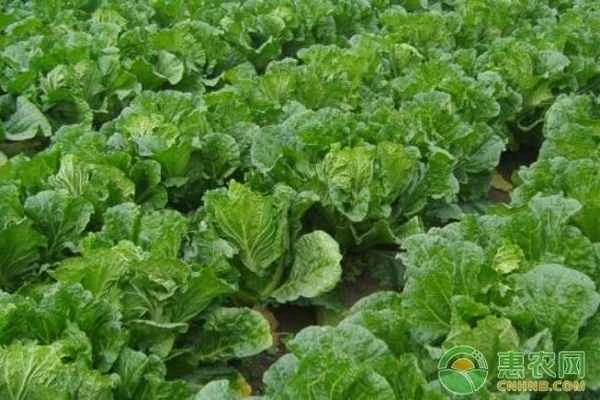
Chinese cabbage prefers loose, fertile, and well-drained soil. Before planting, the land should be deeply tilled, and 2,000-3,000 kg of fully decomposed organic fertilizer should be applied per acre. At the same time, an appropriate amount of compound fertilizer can be added to improve soil fertility.
3. Planting time
In northern China, the planting time for autumn cabbage is generally 3-5 days before or after the start of autumn. However, the specific time should be determined based on local climate conditions and the frost period to ensure that the cabbage can be harvested before the frost.
4. Sowing method
Direct seeding in raised beds can be used, following the row sowing method. Make a shallow furrow 1.5 cm deep in the middle of the raised bed with the predetermined row spacing, evenly scatter the seeds in the furrow, then cover with soil and compact. The seed quantity is approximately 250 grams per acre. If the optimal sowing period for direct seeding is missed, seedling transplanting can be used.
5. Field Management
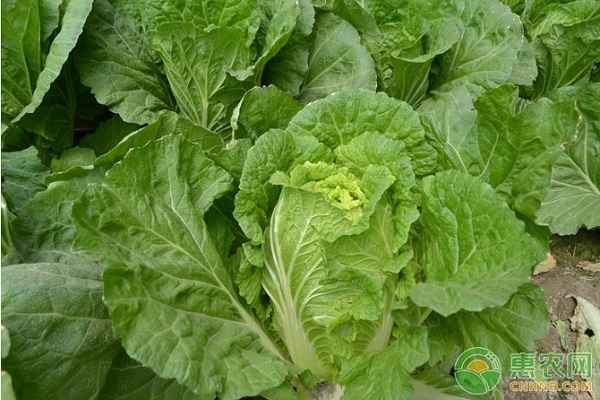
After sowing, it is important to strengthen field management, including timely thinning, seedling establishment, weeding, watering, fertilizing, and pest and disease control. Keep the soil moist but avoid waterlogging to prevent disease outbreaks.
6. Harvest at the appropriate time
In northern regions, autumn cabbage is generally harvested around the time of Minor Snow. If it is a mid-to-late maturing variety and needs to be stored after harvest, it should be harvested around the time of Minor Snow.
7. Storage Points
After harvesting, remove diseased and yellow leaves, and dry the cabbage for 1-2 days before storing it in piles, trenches, or cellars. Maintain the storage environment at a temperature of 0-5℃ and a humidity of 85%-90% to extend the shelf life of the cabbage.