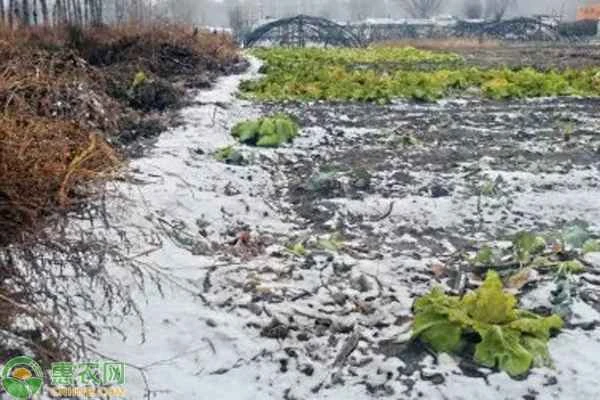
The heat of late summer has passed. Although temperatures in the south are still high, the weather is gradually cooling down as time goes by. Some crops that are grown twice a year can now be planted. So what crops can be planted in the south in autumn? Let's take a look.
1. Sweet potato
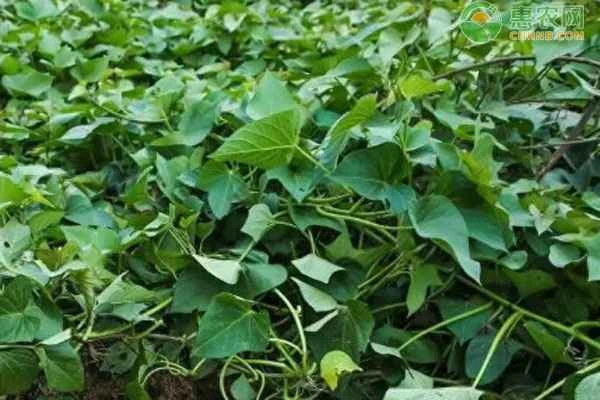
In the south, sweet potatoes can be planted twice a year, in spring and autumn, with each season lasting only a little over three months. Planting sweet potatoes in autumn is only possible in the south, and we call it "autumn sweet potato planting." Generally speaking, planting can begin once autumn arrives.
2. Peanuts
In the south, peanuts can be planted twice a year: once in spring and once in autumn. Autumn peanuts are also called "autumn peanuts" because they are usually planted after the beginning of autumn and harvested four months later. If they are planted too late, the peanuts will be affected by cold weather, which will affect the yield. Therefore, peanuts need to be planted after the beginning of autumn. However, the climate varies from place to place, so planting should be done according to the local weather conditions.
3. Carrots
Carrots, with their vibrant color and rich nutrition, are often called "little ginseng." Planting carrots in August, when the weather cools down, results in faster germination and stronger growth.
4. Cauliflower
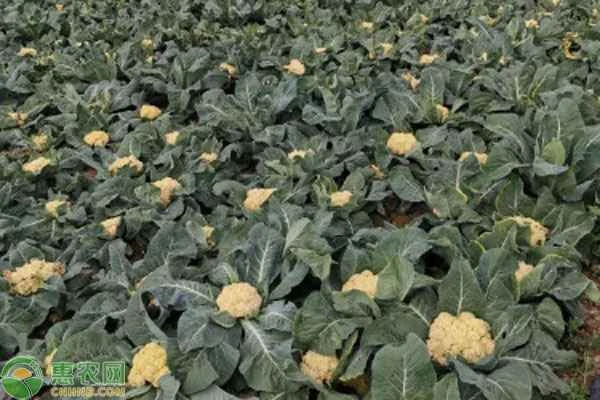
Cauliflower comes in two varieties: winter and autumn. Autumn cauliflower is mostly planted in August. It's not only delicious but also rich in vitamins and minerals. To grow cauliflower well, choose a good location with plenty of sunshine and fertile soil. With proper water and fertilizer management, you'll have a bountiful harvest.
5. Cabbage
Chinese cabbage prefers cold and damp weather. While seedlings need warm weather, once they begin to form heads, they are not afraid of frost. In fact, the cold makes the heads form even stronger and the cabbage more tender and sweet. Chinese cabbages planted in autumn can be left in the ground with the outer leaves tied up with rope, and harvested when ready to eat, thus extending the harvest period.
6. Lettuce
Lettuce is a semi-hardy vegetable that prefers cool, moist conditions, so it grows best in spring and autumn, especially the seedling stage where it has strong cold resistance. Although lettuce does not like strong sunlight, sufficient sunlight will promote its growth, while insufficient light will cause the plant to grow excessively long and weak.
7. Bok choy
Bok choy is a delicious and nutritious vegetable, rich in vitamin C, calcium, iron, and other nutrients. In rural areas of southern China, bok choy can also be planted in August and September. Before planting, the land needs to be tilled and sufficient base fertilizer applied, then the seeds should be evenly scattered on the ground. Bok choy grows relatively quickly and can generally be harvested 3-4 weeks after sowing.
8. Chrysanthemum greens
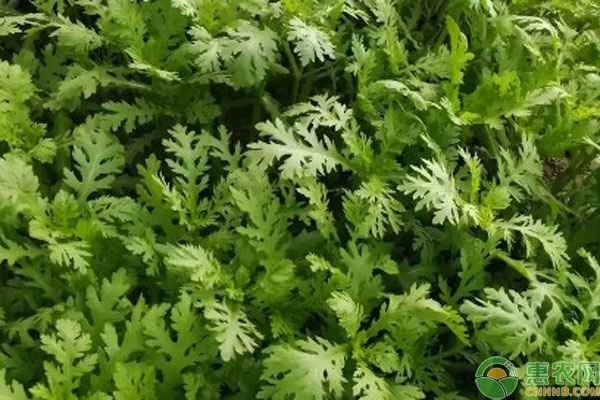
Chrysanthemum greens are a cold-resistant vegetable, making them ideal for planting in August and September. They have a natural aroma that many people find unpalatable. They are easy to grow; they can be broadcast or sown directly, and transplanting seedlings is also a good option.