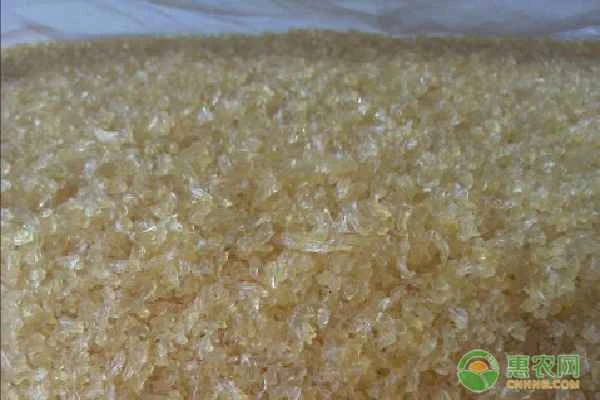
Radishes are a common vegetable in winter, inexpensive and rich in nutrients. However, during their growth, radishes are prone to becoming hollow or black-hearted, severely affecting their quality and yield. So, what causes hollow radishes? Let's take a look.
1. Reasons related to variety
Radish varieties with vigorous above-ground stems and leaves, slow underground fleshy root growth, soft fleshy root texture, short growing period from planting to harvest, early maturity and harvest, and large size are prone to developing "hollow" or "pitted" problems during cultivation.
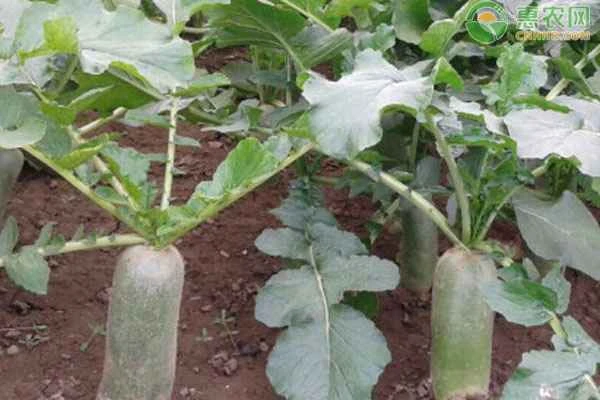
2. Reasons for water and fertilizer
① Fertilizer- related reasons: Radishes grown in fields where excessive use of nitrogen fertilizers such as urea and insufficient use of phosphorus and potassium fertilizers, or where the soil is deficient in boron and boron fertilizer is not supplemented during the radish's growth period, are prone to developing "hollow" or "pithy" problems.
② Moisture: During the rapid expansion and development of the underground fleshy root of the radish, if the weather is dry and the soil is short of water and the field is not watered in time, or if the field is not watered in time, the soil moisture is unstable, or the soil is "dry and wet, sometimes dry and sometimes wet", the radishes planted in such fields are prone to "hollow" or "pitiful" problems.
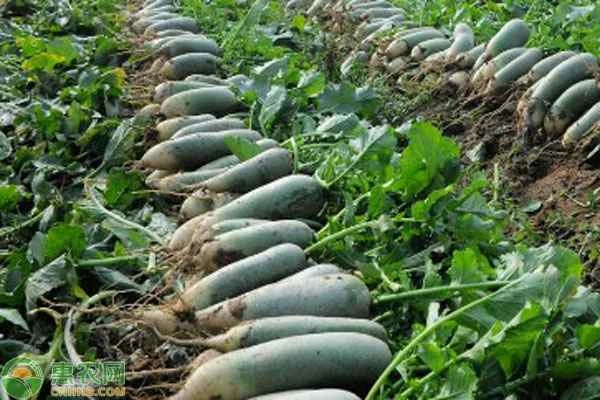
3. Reasons for sowing
On the one hand, if the (autumn and winter varieties) radish is sown too early, it is easy for the radish to grow vigorously after emergence due to the high temperature (especially the high temperature at night), and excessive consumption of nutrients by respiration. As a result, the radish will be hollow or pithy when it is in the process of developing and expanding the underground fleshy root because it cannot compete with the above-ground stems and leaves for nutrients and the nutrient supply is insufficient.
On the other hand, if we plant radishes too densely, causing intense competition for nutrients between the radish plants, it can easily lead to problems such as "hollow" or "pitiful" radish roots due to insufficient nutrient supply when they expand rapidly.
On the other hand, radishes are less likely to develop hollow or pithy cores when planted in clay or neutral soil with good water and fertilizer retention. However, if we plant radishes in sandy soil with severe water and fertilizer leakage, they are more likely to develop hollow or pithy cores.
4. Reasons for late harvest
If radishes are harvested too late after they mature, a large amount of water and nutrients will be lost from the fleshy roots. This will not only cause the fleshy fibers of the radish to become old and coarse, but also make the radish more prone to dehydration, becoming hollow or pithy.
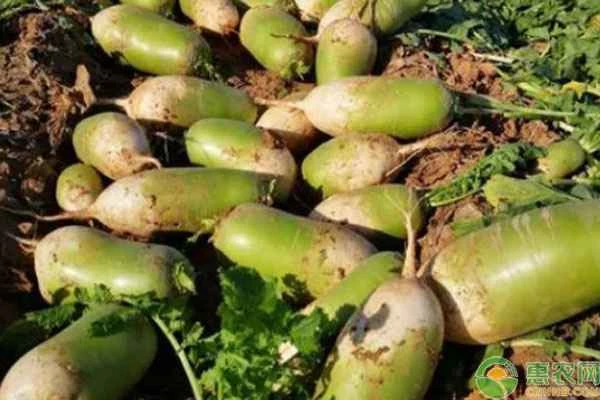
5. Reasons for storage
After harvesting, radishes should be stored in a low-temperature, high-humidity environment. If we place the harvested radishes in a high-temperature, dry environment with a temperature above 5 degrees Celsius or a humidity below 85%, the radishes will become hollow or pithy due to continuous loss of moisture and nutrients.