With the rapid development of the agricultural industry, new technologies, represented by genetically modified organisms (GMOs), are emerging in an endless stream. It is also the fastest-growing, most widely applied, and most influential modern biological breeding technology globally to date. It is reported that the current planting area of genetically modified crops in China has reached 2.9 million hectares. So, what does genetic modification mean? Details are as follows:
What does genetically modified organism (GMO) mean?
Genetically modified organisms (GMOs) refer to the use of genetic engineering techniques to transfer genes from one organism to another, giving the latter new traits. For example, transferring insect-resistant genes into cotton can create a new variety of Bt-transgenic insect-resistant cotton.
What are some examples of genetically modified crops?
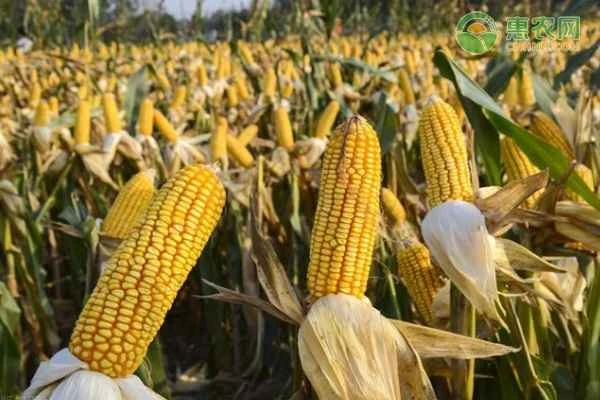
1. Corn
Currently, there are 31 genetically modified corn varieties available abroad, and China has approved the import of 17 varieties, all of which are used as raw materials for processing.
2. Cotton
The genetically modified cotton varieties that have been planted in China include insect-resistant cotton, disease-resistant cotton, and herbicide -resistant cotton, with insect-resistant cotton having the largest planting area.
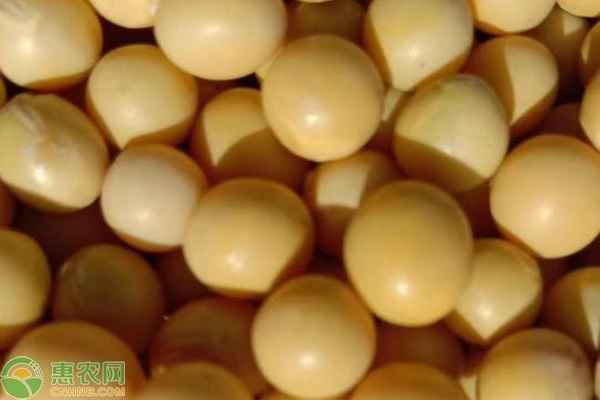
3. Soybeans
Common genetically modified soybeans possess genes that tolerate the herbicide glyphosate, making them highly tolerant of the non-selective herbicide Roundup. Applying glyphosate in the field does not affect soybean yield. In addition, there are other types of genetically modified soybeans, such as high-methionine soybean varieties.
4. Rapeseed
Genetically modified rapeseed is a rapeseed crop with new traits obtained by modifying the rapeseed genome using modern molecular biology techniques and methods. It is mainly grown in the United States, Canada, Australia, and Chile.
5. Beetroot
Genetically modified sugar beets are resistant to herbicides, making it easier for people to effectively remove weeds that affect the sugar beets' absorption of nutrients and sunlight. They entered the market as early as 2008.
6. Papaya
In the 1990s, ringspot virus nearly destroyed the papaya industry in Hawaii, USA, but a genetically modified papaya variety called "rainbow papaya" saved the papaya industry on the island of Hawaii.