In rice production, both the rice stem borer (Chilodon grandiflorus and Chilodon trifoliata) are common pests, and they are quite similar, especially in their larval stages. Therefore, it's crucial to differentiate between them for effective control measures. So, what are the differences between the rice stem borer and the Chilodon grandiflorus? The details are as follows:
What are the differences between the rice stem borer and the rice stem borer?
1. Differences in appearance
(1) Eggs: The egg mass of the rice stem borer is 1.2 mm long, flat and oval, and consists of dozens or hundreds of eggs arranged in a fish scale pattern. The eggs of the rice stem borer are laid in masses, which are waxy white when first laid and grayish-black before hatching, with dozens to more than a hundred eggs per mass.
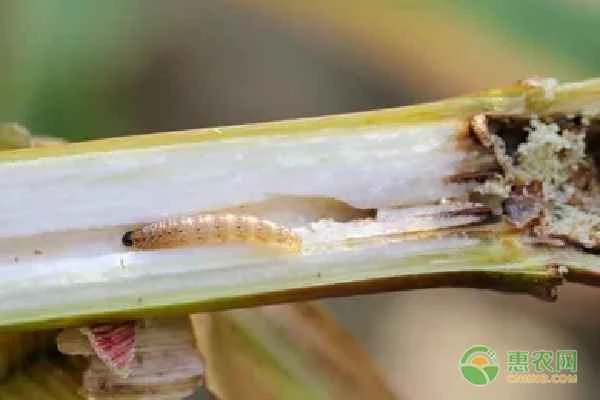
(2) Larvae: The mature rice stem borer is 20-30 mm long, with 5 brown longitudinal lines on its back and grayish-white on its abdomen. The mature rice stem borer is 14-21 mm long, with a pale yellowish-brown head and a pale yellowish-green or yellowish-white body. From the 3rd instar, the dorsal midline is clearly visible. The abdominal legs are relatively degenerate.
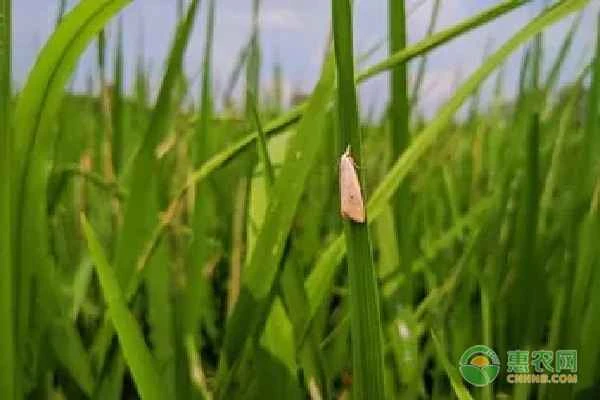
(3) Adults: The head, thorax and back of the rice stem borer are yellowish-brown, the forewings are yellowish-brown with 7 small black dots on the outer edge of the wing surface, and the hindwings are white. The forewings of the rice stem borer are long triangular, pale yellowish-white, with a distinct small black dot in the center and 7 small black dots on the outer edge.
2. Distribution differences
The rice stem borer (Chilodon grandiflorus) is distributed in all rice-growing areas of China, with more severe infestations in the Yangtze River basin and areas south of it. The rice stem borer (Chilodon trifoliata) is widely distributed in rice-growing areas south of the Yangtze River, particularly in the plains along the river and coast.
3. Dietary differences
The rice stem borer (Diplosium diplostum) is omnivorous and can damage various crops such as rice, corn, sorghum , and water chestnuts. The rice stem borer (Diplosium triplostum), however, has a singular diet, feeding only on rice.
4. Distinction between harmful effects
The rice stem borer (Chilodon grandiflorus) is more damaging than the rice stem borer (Chilodon trifoliata), with a higher infestation rate during the round stem stage and the ability to bore into the rice during the heading and maturity stages. Furthermore, it causes sheath blight during the rice tillering stage, whereas the rice stem borer (Chilodon trifoliata) generally does not.